
EOCO arrest of Bawumia aide sparks political weaponisation row as Suame MP demands institutional independence
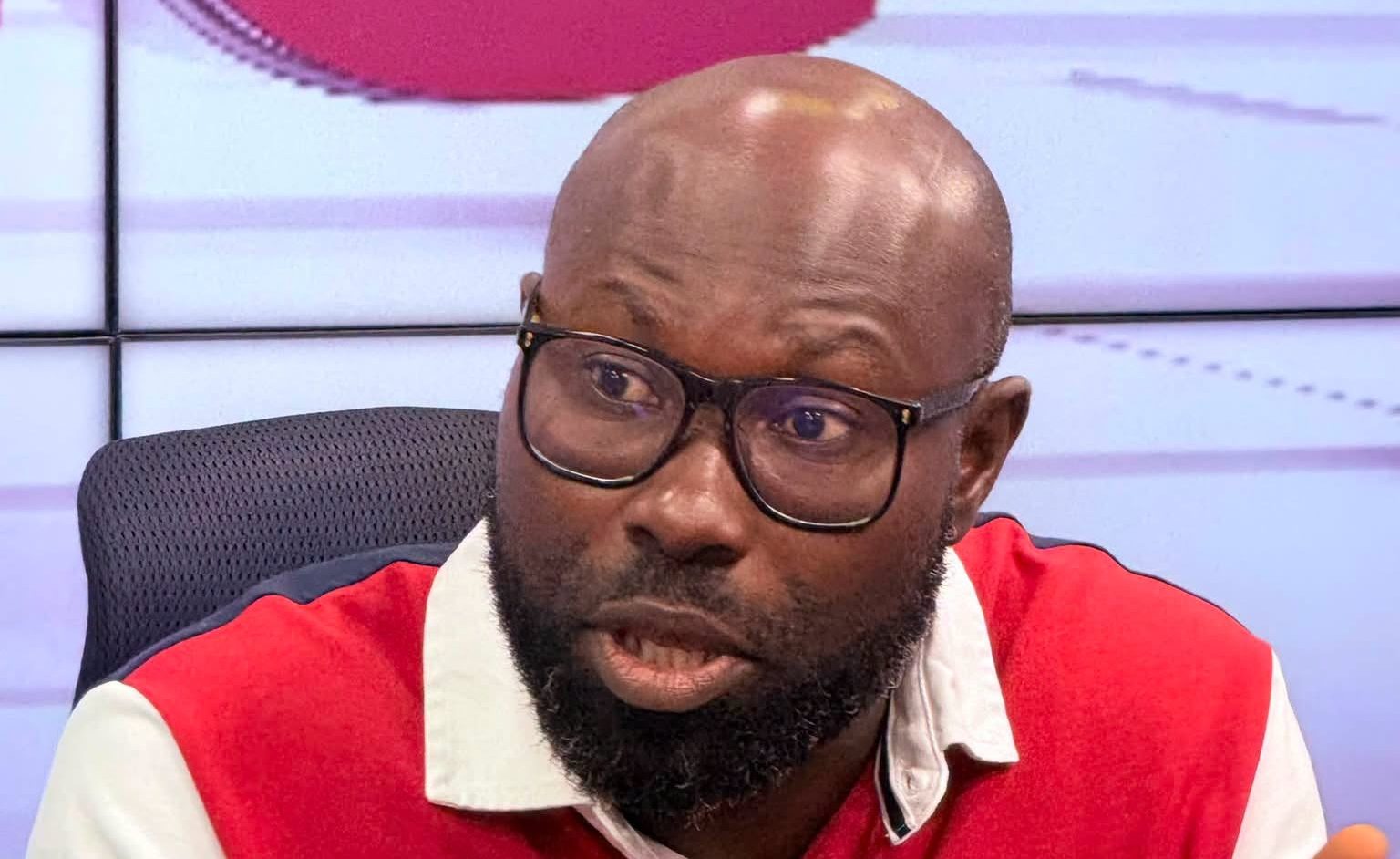

Ghana's anti-corruption fight has become mired in partisan controversy after the Economic and Organised Crime Office arrested Dennis Miracles Aboagye, a prominent aide to NPP presidential candidate Dr Mahamudu Bawumia, reigniting accusations that state institutions are being weaponised for political gain.
The arrest centres on alleged financial and procurement irregularities involving approximately GH¢55 million at the Inter-Ministerial Coordinating Committee on Decentralisation Secretariat, where Aboagye served as Executive Secretary under the previous NPP administration. EOCO has stated the arrest was necessary to secure his availability for questioning during ongoing investigations.
However, Suame Member of Parliament John Darko has intensified criticism of the agency's approach, arguing that EOCO has abandoned its mandate and become a political instrument. Darko questioned why EOCO opted to arrest Aboagye upon his voluntary return to Ghana rather than simply inviting him for questioning, given his previous cooperation with investigators.
The political temperature rises
Darko's comments reflect broader concerns about institutional independence during Ghana's election cycle. He stressed that state bodies must apply consistent standards regardless of political affiliation, warning that selective prosecution undermines public trust.
"We need to elevate the kind of politics we are doing in this country," Darko said, highlighting how arrests of political figures from one party trigger celebratory responses from the opposing side. He acknowledged that public officials must face investigation for wrongdoing but insisted this must happen through transparent, fair processes rather than partisan targeting.
The MP's criticism, whilst sympathetic to the accused, does not dismiss accountability entirely. He conceded that anyone involved in financial impropriety should face appropriate consequences, emphasising that Ghana's anti-corruption agenda must transcend party loyalty.
Why this matters for Ghana
The Aboagye case exemplifies a persistent challenge facing Ghana's institutions: maintaining credibility and independence whilst navigating intense political pressures before elections. When citizens perceive that law enforcement agencies selectively target opposition figures or regime cronies, public confidence erodes, making future anti-corruption efforts less effective.
Ghana's democracy depends on state institutions—particularly the judiciary, parliament and anti-graft agencies—remaining above partisan influence. Accusations of politicisation, whether accurate or merely perceived, weaken governance and discourage transparency. If parties believe they will be subjected to selective prosecution, they have less incentive to cooperate voluntarily or implement institutional reforms.
The bail granted to Aboagye (GH¢50 million with three sureties) allows investigations to continue whilst he remains available. However, the underlying tension remains: can Ghana's institutions pursue genuine accountability without appearing to favour one political side? Rebuilding institutional credibility will require consistent application of investigative standards across all political actors.
Source: The Ghana Report



Comments (0)
Be the first to comment.