Education Ministry Intervenes in BOGISS Abuse Case, Orders Student Reinstatement
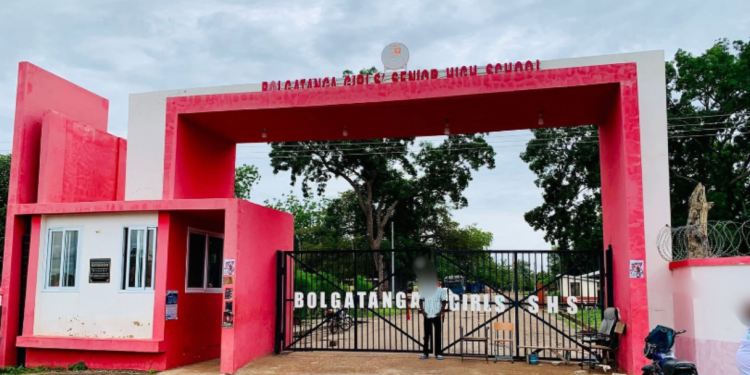
Ghana's Ministry of Education has taken swift action following allegations of sexual abuse involving a 14-year-old student with autism at Bolgatanga Girls' Senior High School in the Upper East Region. In a statement released on 20 August 2026, the ministry condemned the incident as unacceptable and directed that the student be immediately reinstated to her boarding status at the school whilst receiving comprehensive support.
According to the ministry's statement, two school watchmen are alleged to have sexually abused the student. The case has prompted Education Minister Haruna Iddrisu to order an immediate investigation by the Ghana Education Service and demand a rapid submission of findings. The ministry has been emphatic that the student bears no responsibility for the alleged abuse, stating clearly that "a minor cannot be held responsible for sexual abuse perpetrated against her by an adult."
Support and Safeguarding Measures
Beyond the reinstatement directive, the ministry has ordered that the affected student receive immediate medical care and counselling to facilitate her recovery. The decision reflects growing recognition within Ghana's education sector of the need for trauma-informed responses to abuse allegations involving minors. The ministry's emphasis on the student's vulnerability—particularly given her autism diagnosis—underscores concerns about safeguarding for children with additional support needs in school environments.
The incident has also prompted broader reflections on school security protocols. The involvement of school staff in the alleged abuse raises questions about recruitment, vetting and supervision procedures at educational institutions. The ministry's characterisation of the matter as "an act of indiscipline" suggests disciplinary procedures will follow the GES investigation, though criminal processes may also be underway given the serious nature of the allegations.
Why It Matters for Ghana
This case reflects ongoing challenges within Ghana's education system regarding the protection of vulnerable students. Sexual abuse in schools remains a documented problem, with previous reports highlighting inadequate safeguarding mechanisms in some institutions. The case of the BOGISS student is significant because it tests the government's commitment to protecting children, particularly those with disabilities who face heightened risks.
The ministry's swift response—ordering reinstatement, medical support and investigation—may signal a shift towards more student-centred approaches to abuse allegations, departing from practices where victims have sometimes faced suspension or exclusion. However, implementation will be crucial; assurances of support must translate into concrete resources for counselling, accessible mental health services and ongoing safety monitoring at the school.
The incident also highlights the importance of comprehensive training for school staff on recognising and reporting abuse, as well as robust background checks and supervision of non-teaching personnel. Ghana's education authorities will need to use this case as a catalyst for systemic improvements if public confidence in school safety is to be maintained. Parents of children with disabilities, in particular, will be watching closely to see whether the ministry's stated commitments are matched by action across the country's schools.
Source: The Ghanaian Times
Comments (0)
Be the first to comment.