Dismissing NSA Chief Won't Fix Ghana Football Crisis, Says MP Ekow Assafuah

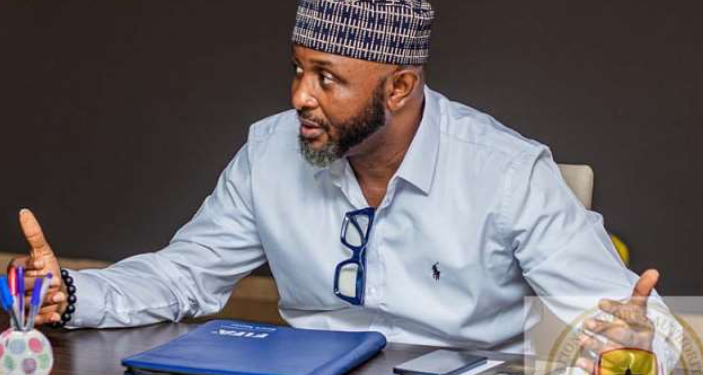
Vincent Ekow Assafuah, the Ranking Member of Parliament's Youth and Sports Committee, has cautioned that the recent sacking of National Sports Authority Director-General Yaw Ampofo Ankrah addresses only the symptom, not the underlying malaise plaguing Ghana's football sector.
The comments come amid ongoing turbulence within Ghana's sports administration, with stakeholders and officials increasingly vocal about systemic failures affecting the country's football performance and development pipeline. Assafuah's position suggests that while leadership changes may signal intent to reform, they fall short of tackling the root causes of dysfunction.
The Bigger Picture: Systemic Challenges in Ghanaian Football
Ghana's football has faced mounting criticism in recent years, from the national team's inconsistent performance to concerns about youth development, grassroots infrastructure, and administrative transparency. The NSA, as the apex sports body, has been scrutinised over governance, funding allocation, and strategic direction. Ampofo Ankrah's removal, while significant, represents a personnel change rather than an institutional overhaul.
Assafuah's remarks reflect a growing consensus among lawmakers and sports analysts that Ghana's football challenges require comprehensive reform across multiple levels: from how academies are funded and managed, to coaching standards, player welfare policies, and the relationship between the NSA, the Ghana Football Association, and club administrators.
Why It Matters for Ghana
Football holds profound cultural and economic importance for Ghana. Success at the international level—particularly at the Africa Cup of Nations and World Cup qualifiers—galvanises national pride and generates revenue through sponsorships and broadcasting rights. Equally, the grassroots game is a pathway out of poverty for countless young Ghanaians, making the quality of developmental systems critical.
When the NSA and its leadership are seen as ineffective, it undermines confidence in state-led sports administration. This can push investment and talent towards private academies and foreign clubs, potentially weakening the national team's long-term competitiveness. Assafuah's intervention signals Parliament's recognition that without addressing structural issues—such as:.
- Inadequate funding for youth development programmes
- Poor coordination between the NSA and the GFA
- Weak institutional accountability and transparency mechanisms
- Insufficient investment in coaching and technical infrastructure
—Ghana risks continued decline in football performance and wasted potential among its youth.
What Comes Next
Assafuah's statement, delivered through Parliament's Youth and Sports Committee, implicitly calls for a broader investigation and reform agenda. This suggests potential parliamentary scrutiny of NSA operations, budget allocation, and strategic planning going forward. The new NSA leadership—whoever replaces Ampofo Ankrah—will need to articulate a clear vision that addresses these systemic concerns if it is to restore credibility and drive meaningful change in Ghanaian football.
For Ghana's football to recover, stakeholders must move beyond individual dismissals to tackle institutional weakness, ensure meritocratic administration, and commit sustained resources to talent identification and development at all levels.
Source: 3News

Comments (0)
Be the first to comment.