
Council of State Operating From Car Boots? Avoka's Blunt Assessment Reignites Calls for Constitutional Reform


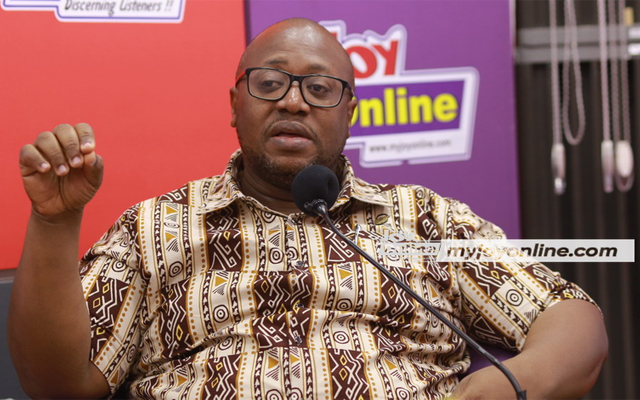
Ghana's Council of State is in urgent need of a structural and constitutional overhaul, former Majority Leader and Speaker of Parliament Cletus Avoka has declared, painting a candid picture of an advisory body that lacks even the most basic institutional infrastructure. Speaking at an Institute of Economic Affairs (IEA) roundtable focused on constitutional review, Avoka made the striking observation that most members of the Council effectively operate without offices — carrying whatever they need in their car boots.
A Body Without a Home
Avoka's remarks cut to the heart of a long-standing concern about the Council of State: that it exists in name and in constitutional text, but has never been given the resources, independence or institutional weight to function as a genuinely influential advisory body. According to the former Majority Leader, only the Chairman of the Council is provided with a dedicated office, leaving other members without a proper base from which to conduct their advisory work.
This is not a minor administrative inconvenience. The Council of State is established under Chapter 9 of Ghana's 1992 Constitution and is tasked with advising the President on matters referred to it, as well as on issues the Council itself considers important to national interest. Members include former heads of state, regional representatives and presidential nominees — individuals whose counsel is supposed to carry significant weight. That such a body operates without adequate offices raises serious questions about how seriously successive governments have taken its mandate.
"You carry your office in your car boots," Avoka said, summarising the indignity of the situation in terms that were both vivid and damning.
Why It Matters for Ghana
The timing of Avoka's remarks is significant. Ghana is currently in a period of active constitutional reflection, with discussions around amendment bills gaining momentum. The IEA, one of Ghana's foremost policy think tanks, has been at the centre of facilitating these conversations, bringing together legal scholars, former legislators and civil society actors to examine which parts of the 1992 Constitution are working and which are not.
The Council of State sits awkwardly in Ghana's governance architecture. Critics have long argued that it lacks the teeth to serve as a genuine check on executive power, often appearing to rubber-stamp presidential decisions rather than offering robust independent counsel. Without proper offices, research staff, or a secretariat capable of undertaking serious policy analysis, members are structurally disadvantaged from the moment they take their seats.
For ordinary Ghanaians, this matters because the Council is supposed to represent a layer of experienced, non-partisan wisdom in the country's governance — a safeguard against hasty or politically motivated decisions at the highest level. If it cannot function properly, that safeguard is illusory.
- Any constitutional amendment process must address not just the composition of the Council but its resourcing and operational independence.
- Parliament would need to pass amendment bills — a process requiring broad consensus and, in some cases, a referendum — meaning reforms could take time even if political will exists.
- Civil society and think tanks like the IEA will likely play a critical role in sustaining public pressure for meaningful change.
What Comes Next
With constitutional review discussions gathering pace, Avoka's intervention is a timely reminder that reform must go beyond lofty constitutional language. Giving the Council of State a real mandate means giving it real resources — offices, staff, budgets and a clear framework for how its advice feeds into executive decision-making.
Ghana has amended its constitution before, and the appetite for deeper reform appears to be growing across the political spectrum. Whether the Council of State rises to the top of the amendment agenda remains to be seen, but voices like Avoka's — grounded in decades of frontline legislative experience — are difficult to dismiss.
Source: 3News



Comments (0)
Be the first to comment.