
Child dies as fierce storm ravages Yendi; over 40 homes destroyed
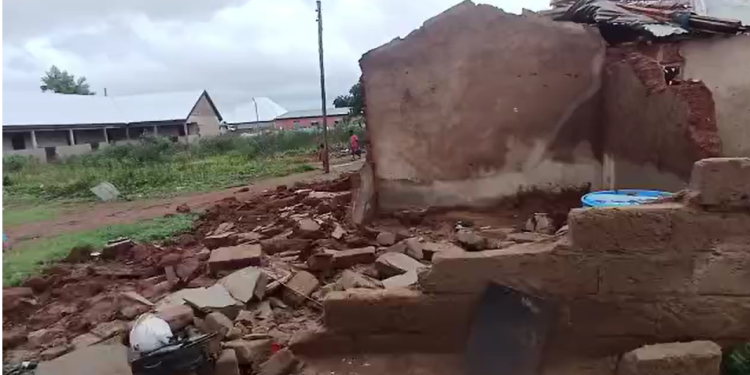

A devastating rainstorm has claimed the life of a 12-year-old girl and left dozens of families homeless in Yendi Municipality, Northern Region. The girl, identified as Asana, died when her family's home collapsed during the early morning storm on Wednesday, July 22, forcing the entire community into emergency response and relief efforts.
According to her mother Awabu Abukari, the family was asleep when powerful winds ripped the roof from their home before the walls caved inward. The sudden collapse gave the family no time to evacuate the young girl to safety. Asana's death underscores the severity of the weather event and the vulnerability of many homes in the region to extreme weather.
The storm's impact extended far beyond the single tragedy. More than 40 houses across multiple communities in Yendi Municipality were either badly damaged or completely destroyed, displacing scores of residents. Beyond the structural damage, the disaster destroyed household belongings, stored food crops and other valuables that families depended on for their livelihoods.
Scale of displacement and urgent needs
The destruction has forced many families to abandon their homes and seek temporary refuge with relatives and friends, straining the capacity of host families to provide shelter and care. Residents have issued urgent appeals for humanitarian assistance, calling on government agencies, international organisations and charitable groups to intervene with emergency relief supplies.
The most pressing needs identified by affected communities include temporary shelter materials, emergency food supplies, and building materials to help families begin reconstruction efforts. For many residents, particularly those who lost farm produce to the storm, the disaster threatens their food security in the coming months.
Why it matters for Ghana
This incident highlights the growing impact of severe weather events on vulnerable communities across Ghana, particularly in the Northern Region where housing infrastructure is often less resilient to extreme weather. Climate variability has increased the frequency of destructive storms, and communities like Yendi face repeated risks without adequate early warning systems or disaster preparedness mechanisms.
The tragedy also exposes gaps in Ghana's disaster response capacity at the municipal level. With limited resources and infrastructure, local authorities often struggle to coordinate rapid relief efforts or provide sustained support to displaced populations. The loss of a child due to structural collapse raises questions about building standards and whether communities have access to information on disaster-resistant construction techniques.
For Ghana's development agenda, incidents like this underscore the need for investment in climate resilience, improved building codes in vulnerable areas, and stronger early warning systems that could give residents time to seek shelter. The death of Asana and the displacement of hundreds serves as a reminder that natural disasters disproportionately affect Ghana's poorest and most vulnerable populations, who live in homes least equipped to withstand extreme weather.
Local and national authorities are expected to assess the full extent of the damage and coordinate relief efforts to support affected families as they rebuild their lives and livelihoods.
Source: MyJoyOnline




Comments (0)
Be the first to comment.