
Camilla Alhassan Case Reignites Debate Over Justice and Proportionality in Ghana
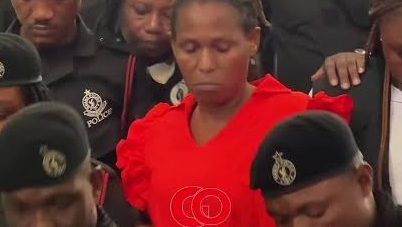
The sentencing of Ghanaian content creator Camilla Alhassan to one year in jail has reopened wider conversations about proportionality in Ghana's justice system and whether custodial sentences remain the most effective response to online misconduct.
Alhassan, who built a significant following on TikTok through lifestyle and commentary content, found herself at the centre of a legal dispute that culminated in a prison term. The case has drawn considerable public attention, with commentators and legal observers questioning whether the severity of the punishment aligns with the nature of the offence.
The Proportionality Question
Critics of the sentencing argue that whilst Alhassan's behaviour was inappropriate and warranted consequences, a full year of incarceration may represent an excessive response. This argument reflects broader concerns within Ghana's legal and civil society circles about whether the justice system consistently applies proportionate penalties.
The case highlights a persistent challenge: distinguishing between accountability for harmful online conduct and avoiding punitive measures that may seem disproportionate to the infraction. As Ghana's digital space continues to expand and social media plays an increasingly central role in public discourse, questions about how the law should respond to online misconduct remain unresolved.
Why It Matters for Ghana
This case arrives at a critical moment for Ghana's approach to digital justice. As more Ghanaians rely on social media for income and expression, the precedent set by high-profile convictions shapes how content creators, influencers and ordinary users perceive legal risk.
Several factors make this case significant:
- It reflects tensions between protecting public decency and avoiding overreach by authorities
- It raises questions about whether Ghana's laws adequately distinguish between serious crimes and online transgressions
- The outcome may influence how similar cases are handled going forward, particularly involving young digital entrepreneurs
- It touches on broader debates about free expression and accountability in Ghana's evolving media landscape
Ghana's digital economy is growing rapidly, with content creation becoming a legitimate income source for thousands of young people. Heavy-handed legal consequences for social media conduct risk chilling expression and innovation in this emerging sector, whilst failing to enforce standards equally enables genuinely harmful behaviour to flourish.
Moving Forward
Whether Alhassan receives a presidential pardon or not, her case underscores the need for Ghana's legal system to develop clearer, more nuanced frameworks for addressing online conduct. Policymakers, judges and lawmakers should work together to ensure that penalties are calibrated proportionately and that alternatives to incarceration—such as community service, fines or mandatory digital literacy training—are considered where appropriate.
The broader conversation this case has sparked is constructive: Ghana's justice system must evolve alongside its digital landscape, ensuring that accountability and fairness walk hand in hand.
Source: 3News

Comments (0)
Be the first to comment.