
23 Dead in Galamsey Pits: Ashanti Region Battles Growing Water Body Crisis

A devastating wave of drowning deaths has swept through Ashanti Region as at least 23 people have lost their lives in abandoned galamsey pits by mid-2026, according to the National Disaster Management Organisation (NADMO). The deaths represent a catastrophic public safety crisis that has prompted regional authorities to sound alarms about the persistent dangers posed by uncontrolled illegal mining operations across the region.
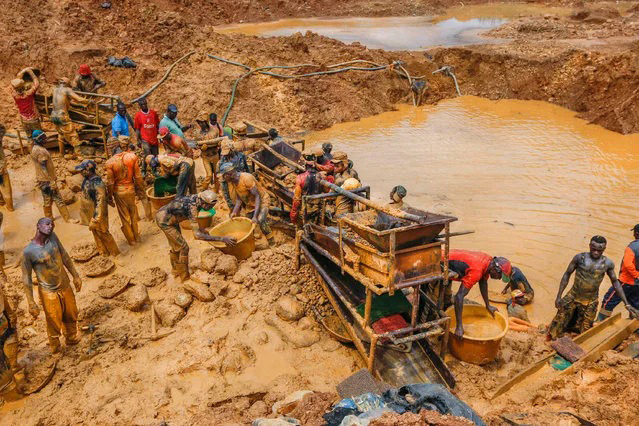
Speaking in a statement issued on Friday, July 17, 2026, NADMO officials characterised the drowning epidemic as a major humanitarian challenge confronting Ashanti Region. The deaths underscore the lethal legacy of unchecked small-scale mining activities, which have transformed landscapes across the region into hazardous bodies of water that trap unsuspecting residents and children.
The Galamsey Pit Problem
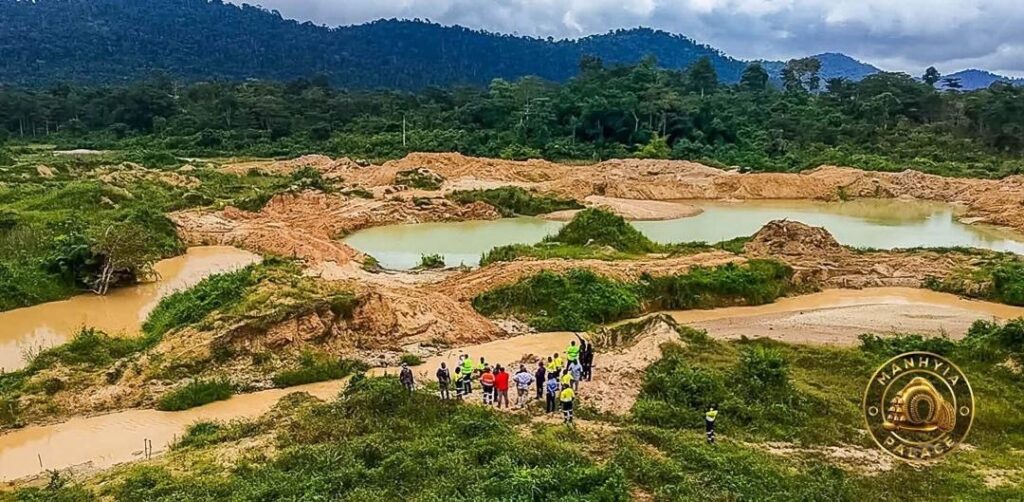
Abandoned galamsey sites—typically excavations left behind after illegal mining operations cease—have become death traps filled with stagnant water. These pits often reach considerable depths and are frequently unmarked or inadequately fenced, making them particularly dangerous for communities living nearby. Children playing in surrounding areas and residents seeking water or fish from these sites face serious risk of drowning, as the pits offer no visible warning systems or safety barriers.
The proliferation of these abandoned sites reflects the broader challenge of managing galamsey operations across Ghana's mineral-rich regions. Despite government efforts to crack down on illegal mining, the scale of the problem means many abandoned pits remain abandoned without proper remediation or hazard mitigation measures.
Why It Matters for Ghana
The Ashanti Region drowning crisis illuminates a wider infrastructure and environmental management gap affecting multiple regions of Ghana. Ashanti, one of the country's most economically productive areas, has been particularly hard hit by galamsey activity, which has devastated water bodies, poisoned aquifers, and destroyed agricultural land in addition to creating these physical hazards.
The deaths also raise critical questions about disaster preparedness and community safety. NADMO's acknowledgement of the situation signals growing concern at national level, but experts suggest that addressing the crisis requires coordinated efforts across multiple agencies—environmental protection authorities, mining regulators, local government, and community leaders—to identify, map, and remediate dangerous abandoned pits.
For families who have lost loved ones, many to preventable accidents, the crisis underscores the human cost of inadequate mining regulation. The deaths are not mere statistics but represent a failure of systemic oversight that leaves communities exposed to hazards created by illegal economic activity.
What Needs to Happen Next
Addressing the galamsey pit crisis will require urgent intervention including:
- Rapid identification and mapping of all dangerous abandoned mining excavations in affected regions
- Installation of warning signs, barriers, and fencing around known hazardous sites
- Public awareness campaigns alerting residents and children to the dangers
- Coordination between NADMO, Environmental Protection Agency, and local assemblies on remediation priorities
- Stronger enforcement action against active galamsey operators to prevent creation of new abandoned pits
As Ashanti Region continues to grapple with this crisis, the situation serves as a sobering reminder that Ghana's illegal mining challenge extends far beyond environmental and economic damage—it is claiming lives and destabilising communities across the nation.
Source: 3News


Comments (0)
Be the first to comment.