
Born Too Soon: What Every Ghanaian Parent Needs to Know About Premature Births
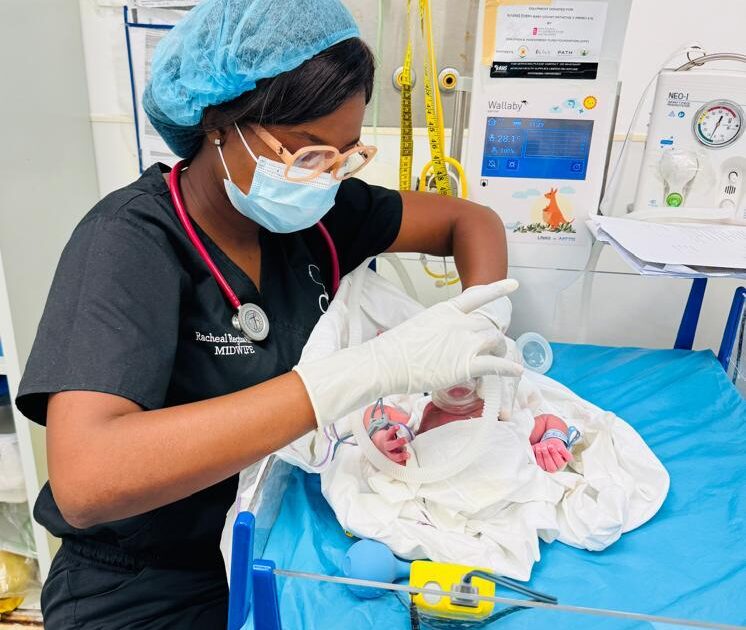

Every year, thousands of babies across Ghana are born before their bodies are fully ready for the world. Premature birth — defined as delivery before 37 completed weeks of pregnancy — remains one of the leading causes of newborn illness and death in Ghana and across sub-Saharan Africa. As the global health community marks World Prematurity Month, Ghanaian maternal health advocates are calling for greater public awareness about the causes, warning signs and life-saving care available for preterm babies and their families.
Understanding the risks: Who is most vulnerable?
Premature births are grouped into three categories based on how early a baby arrives. Babies born before 28 weeks are considered extremely preterm, those born between 28 and 32 weeks are very preterm, and those born between 32 and 36 weeks fall into the moderate to late preterm category. Each group carries different levels of medical risk and requires different levels of care.
Several factors can raise a woman's chances of delivering early. These include maternal health conditions such as high blood pressure, pre-eclampsia, diabetes, anaemia and kidney or heart disease. Infections — including malaria, urinary tract infections and reproductive tract infections — are particularly significant in the Ghanaian context, where these conditions remain prevalent. Multiple pregnancies, a previous preterm birth, placental complications and premature rupture of membranes also increase the risk.
Lifestyle factors matter too. Poor nutrition, inadequate antenatal care, smoking, alcohol use and very short gaps between pregnancies can all contribute. Having one or more of these risk factors does not make preterm birth inevitable, but it does underscore the importance of early and consistent antenatal care.
Pregnant women should also know the warning signs of preterm labour and act quickly if they appear. These include regular abdominal tightening or contractions before 37 weeks, persistent lower back pain that comes and goes, menstrual-like cramps, unusual changes in vaginal discharge, any vaginal bleeding or spotting, a sudden gush or continuous trickle of fluid suggesting the waters have broken, and a noticeable reduction in the baby's usual movements. Any woman experiencing these symptoms should go immediately to a health facility — waiting at home is not safe.
What this means for Ghana
Ghana has made meaningful strides in reducing infant and maternal mortality over recent decades, but preterm birth remains a stubborn challenge. The country's healthcare system, particularly in rural and peri-urban areas, faces real constraints in providing the specialised neonatal care that premature babies need. Neonatal intensive care unit (NICU) capacity is limited outside major hospitals in Accra, Kumasi and a handful of other cities, meaning many families face long distances or financial barriers to accessing critical support.
This is why community-level awareness and simple, evidence-based interventions are so vital. Kangaroo Mother Care (KMC) — a method in which a premature or low-birth-weight baby is held skin-to-skin against the mother's or caregiver's chest for extended periods — has been shown by research to significantly improve survival rates and developmental outcomes. It helps regulate the baby's body temperature, supports breastfeeding, reduces infection risk and strengthens the bond between parent and child. Crucially, KMC can be practised at home and in low-resource settings, making it one of the most powerful tools available to Ghanaian families.
Premature babies also face challenges including Respiratory Distress Syndrome, where underdeveloped lungs struggle to stay open without medical support such as oxygen or CPAP therapy. Difficulty feeding is common, as some preterm babies cannot yet coordinate sucking, swallowing and breathing; expressed breast milk delivered through a feeding tube is often used. Other complications include hypothermia, neonatal jaundice, sepsis and potential longer-term developmental issues affecting vision, hearing, movement and learning.
Steps families and health workers can take
- Register for antenatal care as early as possible — ideally within the first trimester — and attend every scheduled appointment.
- Take all prescribed supplements including iron and folic acid, and maintain a balanced, nutritious diet throughout pregnancy.
- Seek prompt medical treatment for any infection, including malaria, and ensure blood pressure and blood sugar levels are regularly monitored.
- Avoid smoking, alcohol and harmful substances during pregnancy.
- Inform healthcare providers about any history of premature births or pregnancy complications so a suitable monitoring plan can be put in place.
- Learn and practise Kangaroo Mother Care if a baby is born early, in consultation with health workers.
Premature birth is not always preventable, but its worst outcomes very often are. With the right knowledge, timely antenatal care and community support, Ghana can protect more of its smallest and most vulnerable newborns and give every baby a genuine chance to survive and thrive.
Source: MyJoyOnline




Comments (0)
Be the first to comment.