
BoG Cracks Down: Rejecting Cedi Coins Now a Criminal Offence with 3-Year Prison Threat
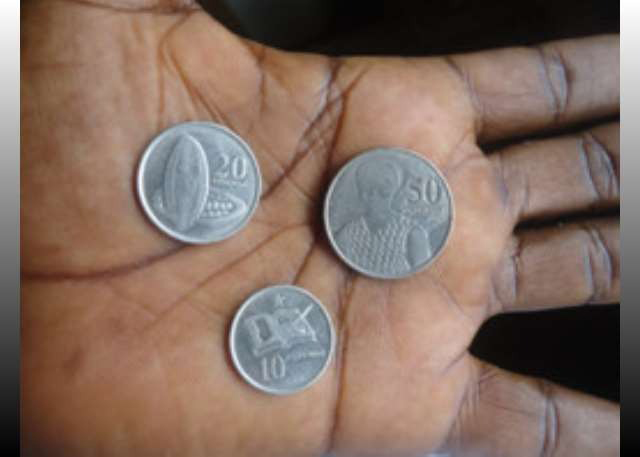

The Bank of Ghana has issued a stern warning to traders, transport operators, and businesses across the country: turning away customers who pay with cedi coins is not merely inconvenient—it is illegal and prosecutable. In a public notice released on 22 July 2026, the central bank declared that the systematic rejection of coins in daily transactions violates the Currency Act and could land offenders in prison for up to three years.
The directive targets all valid coin denominations in circulation: 1 pesewa, 5 pesewa, 10 pesewa, 20 pesewa, 50 pesewa, GH¢1 and GH¢2 coins. According to the BoG, none of these have been withdrawn from circulation, meaning they remain full legal tender. Every trader, regardless of their personal preference or concerns about coin value, is legally bound to accept them.
What the Law Says and the Penalties
The BoG grounded its warning in the Currency Act, 1964 (Act 242), which explicitly prohibits the refusal of valid currency. Those convicted face multiple consequences: a fine, imprisonment for up to three years, or both. Notably, the law does not require police to obtain a warrant before arresting someone caught rejecting coins.
The bank made clear that business owners cannot sidestep liability by simply instructing employees to refuse coins. Managers and proprietors are equally culpable under the law if their staff members reject legal tender on their behalf. This means the responsibility rests squarely with decision-makers in retail, transport, and service sectors.
To drive compliance, the BoG has pledged to collaborate with the Ghana Police Service and other law enforcement agencies to investigate and prosecute violators. Members of the public have been encouraged to report offending businesses to the nearest Bank of Ghana office, local police stations, or through the central bank's official communication channels.
Why It Matters for Ghana
This enforcement push reflects a broader challenge facing Ghana's monetary system. The widespread informal rejection of coins—particularly lower denominations—undermines public confidence in the currency and creates practical friction in the economy. When traders refuse coins, it forces consumers either to demand notes or to hoard coins, disrupting the natural circulation of money.
The issue gained momentum earlier in July when the BoG issued a companion directive on 14 July 2026, focusing on the abuse and mishandling of physical currency notes and coins. That notice emphasised protecting the integrity of banknotes and coins from damage, defacement, and improper treatment. The latest statement narrows the focus to demand-side behaviour—ensuring businesses accept what consumers legitimately offer.
For everyday Ghanaians, this enforcement is significant. Coin refusal has been a persistent complaint in markets, tro-tros, and small retail outlets, where customers carrying legitimate small change face friction or outright rejection. The BoG's invocation of criminal penalties signals that tolerance for this practice has ended. Traders operating in any part of Ghana must now integrate coin acceptance into their standard business practice, or face legal consequences.
The move also reflects the central bank's broader interest in maintaining monetary stability and public trust in the cedi at a time when the currency faces pressures from inflation and exchange rate volatility. Ensuring all denominations circulate smoothly is part of that foundation.
Reporting and Next Steps
The BoG has established multiple reporting mechanisms to help enforce the directive. Citizens can lodge complaints at their nearest Bank of Ghana office, through the Ghana Police Service, or via the central bank's official channels. With law enforcement backing the warning, early evidence of non-compliance could trigger swift investigations.
For traders and business operators, the message is unambiguous: coin acceptance is no longer optional. Adapting payment practices now is far preferable to facing prosecution later.
Source: The Ghana Report





Comments (0)
Be the first to comment.