BoG and CIB Ghana unite on ethics push as new leadership charts ambitious agenda for banking sector

Ghana's banking sector is set for a renewed emphasis on ethical conduct and professional excellence following a strategic meeting between the Bank of Ghana (BoG) and the Chartered Institute of Bankers Ghana (CIB Ghana). The two institutions have pledged to deepen collaboration on standards, customer protection and emerging risks as CIB Ghana's new leadership takes the helm.
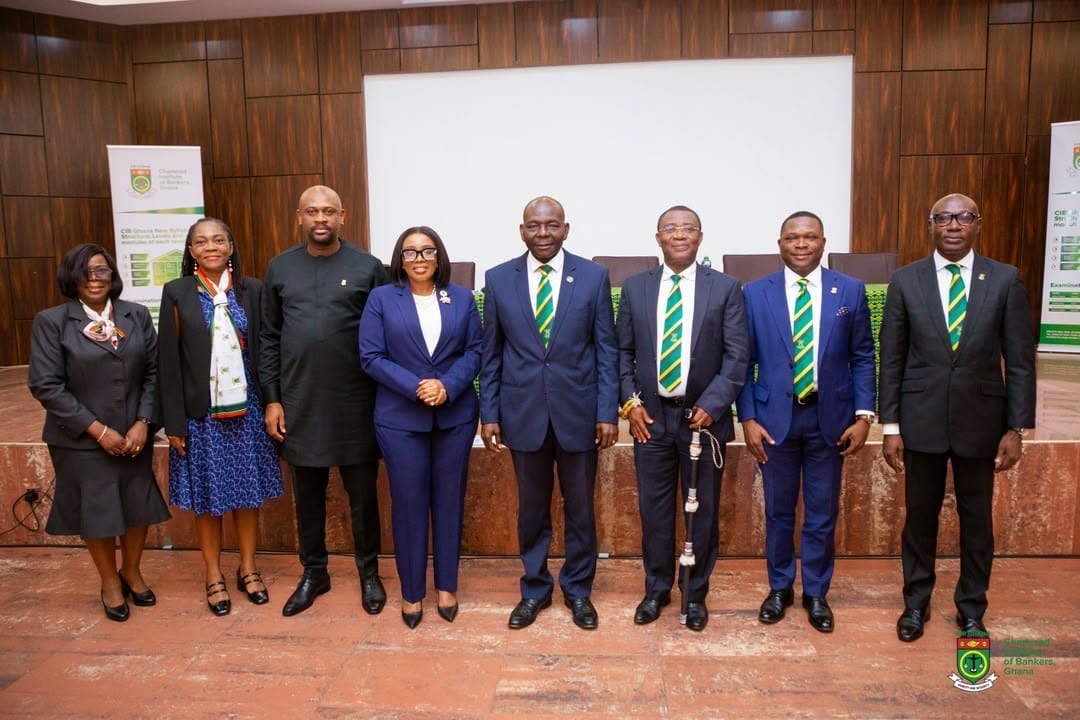
The commitment emerged from a courtesy visit by CIB Ghana's new Governing Council to BoG Governor Dr. Johnson Pandit Asiama on 31 July, where the Institute formally introduced its incoming leadership and outlined an ambitious vision for Ghana's banking profession.
A focus on ethics, resilience and emerging risks
The discussions centred on critical issues shaping Ghana's financial sector. Both institutions acknowledged the urgency of raising ethical standards and professionalism across the industry, whilst tackling cybersecurity threats, fraud prevention and customer protection concerns. The meeting also explored how digital assets, artificial intelligence and quantum computing will reshape banking in coming years, with both the BoG and CIB Ghana committed to ensuring the sector has the skilled, ethical professionals needed to navigate these transformations safely.
CIB Ghana briefed the Governor on several key initiatives designed to build capacity and reinforce ethics. These include the Branch CEO Programme, the Chartered Banker for Executive Leadership (CBEL) scheme, an industry-wide ethics certification drive, and targeted fraud prevention campaigns. These programmes reflect the Institute's broader mission to develop competent, forward-thinking professionals for Ghana's financial services industry.
BoG Governor Asiama drew a parallel to the healthcare sector, stressing that banking professionals must demonstrate comparable standards of competence, professionalism and ethical conduct. He commended CIB Ghana's support for the sector's fraud-fighting efforts and acknowledged the work being done alongside the Ghana Association of Bankers (GAB) and other stakeholders to combat emerging risks that undermine public trust.
Hosting a global banking conference and reforming community banking
The new CIB Ghana President, Dr. Ellen Ohene-Afoakwa, articulated an ambitious agenda: strengthening ethics and professionalism, rebuilding the Bankers' House, and hosting the 2028 World Conference of Banking Institutes (WCBI) in Accra. The latter presents a significant opportunity for Ghana to showcase its banking sector, professional development infrastructure and role in shaping the continent's financial future on a global stage.
Governor Asiama challenged CIB Ghana to extend its ethics and capacity-building programmes beyond the traditional banking sector to community banks and the wider financial ecosystem. This reflects ongoing efforts by the BoG to implement community banking reforms and ensure consistent professional standards across all tiers of Ghana's financial system.
Why it matters for Ghana
This collaboration addresses longstanding vulnerabilities in Ghana's banking sector. In recent years, the industry has faced challenges ranging from fraud and cybercrime to customer protection concerns and confidence-shaking events. By aligning the BoG's regulatory authority with CIB Ghana's professional development mandate, the sector gains a coordinated mechanism for raising standards and building resilience.
The emphasis on ethics is particularly significant given Ghana's aspirations to position itself as a financial hub in West Africa. A banking sector known for professionalism, integrity and innovation attracts investment, builds consumer confidence and supports economic growth. The planned 2028 WCBI conference also underscores Ghana's ambition to lead conversations about the future of banking in Africa—an opportunity to attract talent, investment and recognition to the sector.
For banking professionals and consumers alike, these initiatives signal a sector-wide commitment to trustworthiness and competence, essential ingredients for a financial system that can support Ghana's development goals.
Source: Ameyaw Debrah


Comments (0)
Be the first to comment.