Beyond the IMF: Why Ghana Must Break Africa's Cycle of Recurring Economic Crises
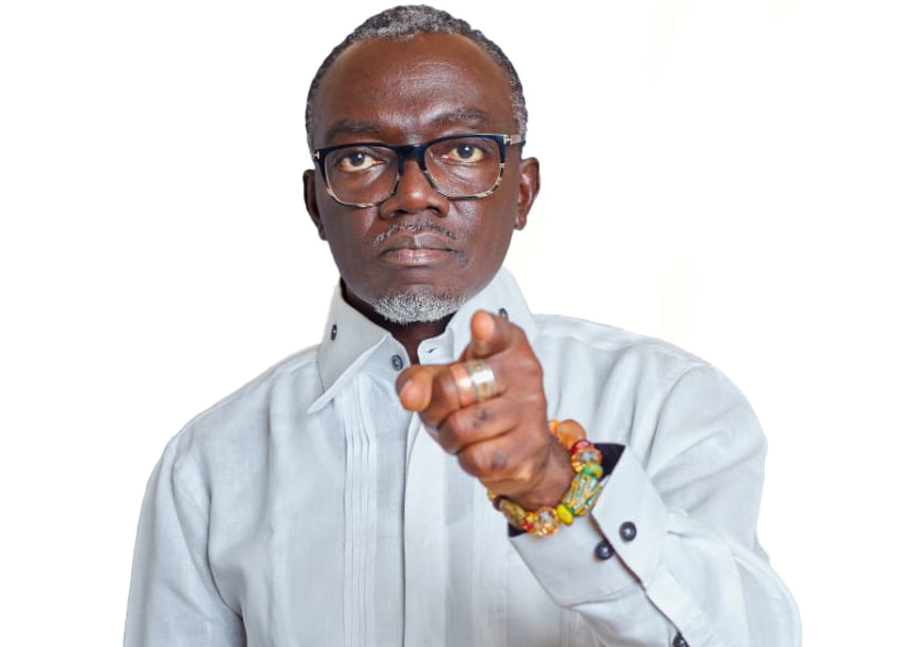
Ghana stands at a crossroads. For decades, the country has cycled through International Monetary Fund programmes with troubling regularity—a pattern that reflects not merely external shocks, but systemic governance failures that no external bailout can resolve. The inconvenient truth facing the nation is this: the IMF is not the solution to Ghana's economic woes; it is the thermometer revealing a fever that Ghanaians themselves must cure.
This is not a criticism of the IMF as an institution. When countries face genuine balance-of-payments crises, the Fund serves a legitimate purpose—providing emergency liquidity to prevent total economic collapse. But there is a critical difference between seeking emergency assistance in rare, unforeseen circumstances and treating IMF programmes as a recurring fixture of national economic management. That difference defines whether Ghana's future holds prosperity or permanent vulnerability.
Learning from Those Who Broke Free
History offers stark lessons for countries willing to listen. South Korea faced catastrophic crisis in 1997, yet treated it as a turning point rather than a starting point for permanent dependency. The country implemented painful reforms, strengthened institutions, and rebuilt competitiveness with fierce determination. Today, South Korea ranks among the world's leading industrial powers—not because it never stumbled, but because it refused to become comfortable with stumbling.
Similarly, Ireland accepted an international rescue after 2008, but successive governments remained fixated on one goal: never needing another one. They rebuilt fiscal credibility, restored investor confidence, and systematically addressed the institutional weaknesses that created the crisis. Botswana and Norway offer further instruction: prudent stewardship of natural resources, long-term institutional planning, and disciplined governance can transform crisis into opportunity rather than recurring destination.
Ghana possesses the resources, talent and potential to follow this trajectory. What it requires is not another IMF programme, but the collective national will to address the underlying causes of repeated economic crisis: weak revenue collection, corruption, poor fiscal discipline, and governance failures that drain public resources and discourage private investment.
The Hidden Cost of Dependency
The true damage of recurring IMF programmes extends beyond fiscal numbers. It erodes national confidence. Citizens begin to believe economic crises are inevitable. Businesses hesitate to invest. Young professionals flee abroad. The private sector, uncertain of macroeconomic stability, hoards capital instead of deploying it productively. This psychological erosion may ultimately prove more costly than any debt burden.
Moreover, each IMF return weakens Ghana's negotiating position internationally. Investors and trading partners perceive serial crises as signals of systemic instability. Ghana's currency faces depreciation pressure. The cost of borrowing rises. Foreign direct investment looks elsewhere. The nation finds itself in a vicious cycle: weak governance creates crisis, crisis requires external bailout, external dependency undermines investor confidence, weakened investment perpetuates stagnation that generates the next crisis.
Why This Matters for Ghana
Ghana's repeated IMF returns reflect choices, not fate. A nation cannot borrow discipline. It cannot import fiscal responsibility. It cannot negotiate away the consequences of poor governance. The IMF can provide financial oxygen when an economy struggles to breathe, but it cannot permanently strengthen the lungs. That responsibility belongs exclusively to Ghanaian leadership and citizens.
Breaking this cycle requires confronting uncomfortable truths: weak tax collection, leakage of public resources, misaligned spending priorities, and governance structures that permit economic mismanagement. It demands that future generations do not inherit merely memories of excuses, but evidence of genuine structural reform.
Ghana's greatest asset is not gold or cocoa. It is the potential of a nation that understands the difference between emergency assistance and permanent residence in crisis. The question now is whether that understanding will translate into action before the cycle breaks the nation instead.
Source: MyJoyOnline

Comments (0)
Be the first to comment.