Beyond the ban: why Ghana's real plastic crisis is waste management, not the material itself
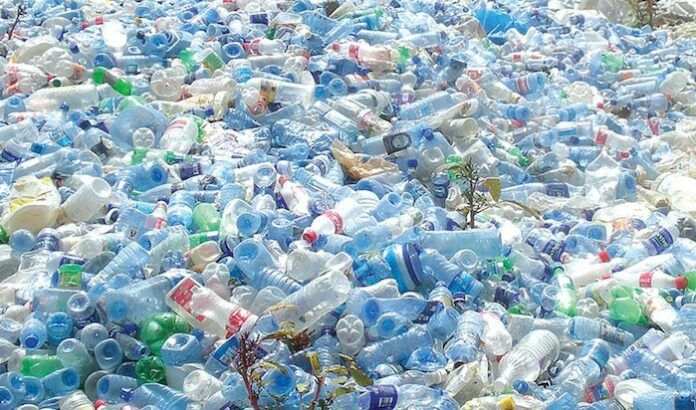
Ghana faces a mounting plastic waste crisis that has been laid bare by recent flooding, but leading environmental voices are pushing back against simplistic bans in favour of a more pragmatic approach: investing in recycling infrastructure and waste management systems that actually work.
The scale of the problem is staggering. Ghana generates between 1.1 and 1.3 million tonnes of plastic waste annually—equivalent to more than 3,000 tonnes every single day—representing 12 to 14 per cent of the country's municipal solid waste stream. Yet only 10 to 15 per cent of that waste is collected for recycling, with the majority either ending up in landfills, dumped openly, or worse, blocking drainage systems and intensifying flooding that destroys homes and lives.
The recent floods reignited debate about plastic use, but industry experts and waste management specialists argue the finger should be pointed not at plastic itself, but at how Ghana handles it once it has served its purpose. James Deku, Corporate Affairs Officer at Zoomlion Ghana Limited, made this distinction clear: plastics are not inherently dangerous. The danger lies in indiscriminate disposal into drains, streams and open spaces. When plastic waste blocks drainage systems, it prevents water flow and triggers exactly the kind of urban flooding that has devastated many Ghanaian communities.
The case against outright bans
For all their environmental baggage, plastics have become deeply embedded in modern life. From food packaging and drinking water sachets to medicine, agriculture, construction and healthcare, plastics offer affordability, durability and convenience that few alternative materials can currently match. A blanket ban would be neither realistic nor practical in Ghana's current development context.
Instead, Deku advocates for stronger enforcement of sanitation by-laws, sustained public education campaigns, and policies that actively encourage recycling rather than simply outlawing materials. He also suggests reviving traditional packaging methods—such as using leaves for selected products—whilst gradually phasing out unnecessary single-use plastics. This approach balances environmental protection with economic and practical realities.
Gabriel Kudiabor, Production Planner at Universal Plastic Products and Recycling Ghana Limited, reinforces this view. Ghana's core problem, he argues, is not the material itself but waste management practices and public behaviour. The solution requires sustained education on waste segregation coupled with serious investment in recycling infrastructure—not demonisation of a material that will remain part of the economy for the foreseeable future.
Practical solutions: deposit-return schemes and better collection
Industry players are proposing concrete interventions. One promising model is the deposit-return system for beverage bottles, already proven successful in several countries. Under such a scheme, consumers would return empty plastic bottles in exchange for financial incentives or rewards, dramatically increasing collection rates whilst supplying recycling plants with consistent raw materials.
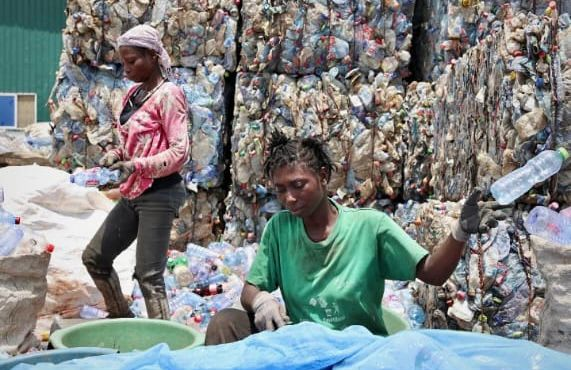
Currently, thousands of discarded PET (Polyethylene Terephthalate) bottles could be collected, sorted, washed and processed into high-quality PET flakes—valuable industrial raw materials for manufacturing new products. This circular economy approach transforms waste into a resource rather than a burden.
Why it matters for Ghana
Ghana's plastic waste challenge sits within a continental context. Africa generates approximately 17 million tonnes of plastic waste annually, yet recycling rates remain among the world's lowest. As an upper-middle-income country with growing manufacturing and consumer sectors, Ghana has both the challenge and the opportunity to pioneer a waste management model for West Africa.
The recent floods have demonstrated that plastic pollution is not merely an environmental issue—it directly threatens public safety, infrastructure and livelihoods. Yet the solution requires long-term systemic change: investment in collection and sorting facilities, public behaviour change, enforcement of existing regulations, and incentive structures that make recycling economically viable for both businesses and consumers.
Ghana cannot realistically do away with plastics overnight. But it can and must do away with the mismanagement that turns a useful material into an environmental and public health hazard.
Source: The Ghana Report

Comments (0)
Be the first to comment.