
Beyond price tags: IMANI cautions against rushing to judgment on SA evacuation costs


A senior analyst at IMANI Centre for Policy and Education has urged Ghanaians to look beyond surface-level price comparisons when evaluating the controversial GH¢49.72 million spent evacuating over 1,900 citizens from South Africa, arguing that determining value-for-money requires deeper scrutiny of the circumstances.
The evacuation, which brought 1,964 Ghanaians home, reportedly cost GH¢27,180,700 in aircraft charter fees alone—a figure that has sparked public debate about whether the government negotiated the best deal. However, Kay Cudjoe, an associate at the Accra-based policy institute, cautioned against jumping to conclusions based solely on shopping around for cheaper alternatives.
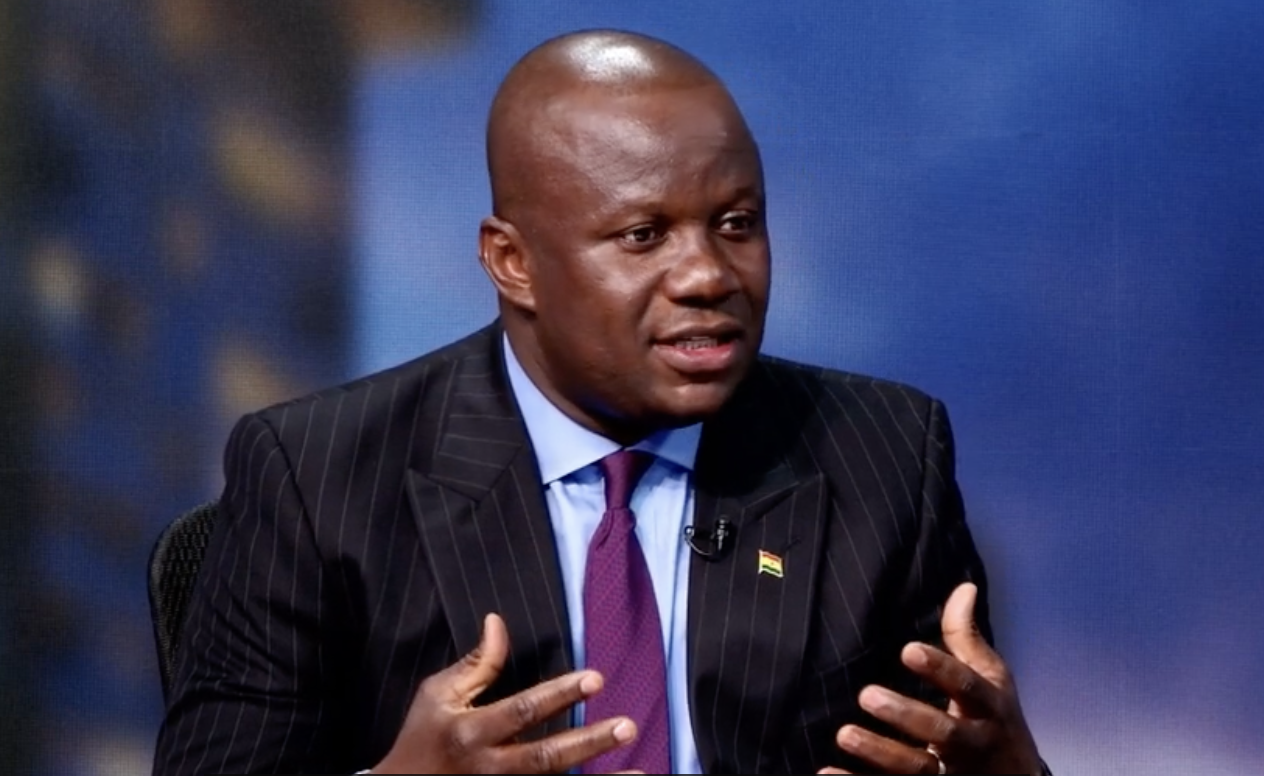
Speaking on JoyNews' Newsfile programme on Saturday, Mr Cudjoe underscored that while price comparisons with other charter operators may raise valid questions, they cannot definitively prove overpricing without understanding the full context of the evacuation logistics and the constraints the government faced at the time.
Why it matters for Ghana
The South Africa evacuation remains a sensitive issue for Ghanaians. In 2024-2026, xenophobic violence and economic hardship prompted several West African nations, including Ghana, to repatriate citizens. How efficiently and cost-effectively government handles such operations directly affects public funds and shapes trust in state institutions.
If taxpayers' money was indeed wasted on inflated charter prices, it represents a failure of fiscal discipline. Conversely, if the government secured the best available option under urgent circumstances, criticism based on incomplete information risks unfairly damaging the administration's credibility. IMANI's intervention suggests the debate needs rigour.
The broader implication is that Ghanaians deserve transparent, thorough audits of major government expenditures—not just headline complaints or defensive silence. Civil society must also apply consistent analytical standards rather than partisan positioning.
What warrants closer examination
According to Cudjoe, several factors must be considered before labelling the charter cost excessive:
- The timing and urgency of the evacuation—emergency operations often command premium prices
- Available aircraft capacity and demand in regional and international markets at the time
- Contractual terms, including fuel surcharges, crew expenses, and landing fees
- Insurance, compliance, and other hidden costs beyond the headline charter price
- Alternative options the government actually had access to, not hypothetical cheaper rates
IMANI's intervention reflects a growing expectation among Ghanaian civil society organisations that government spending should be scrutinised rigorously but fairly. Price-tag comparisons alone, the think tank suggests, risk oversimplifying complex procurement decisions made under pressure.
Next steps for accountability
The government has not released a full public breakdown of the evacuation costs. Transparency advocates have called for a detailed audit, including procurement documentation, aircraft specifications, and justification for the selected operator. Such disclosure would allow independent analysis rather than speculation.
IMANI's comments do not absolve the government of accountability; rather, they set a higher bar for it. Any overpricing claims should rest on solid evidence, not assumptions. Equally, the state must be willing to open its books to prove it acted in the public interest.
Source: MyJoyOnline



Comments (0)
Be the first to comment.