Beasts of No Nation actor Strika faces unconfirmed seven-year sentence over bridge vandalism case
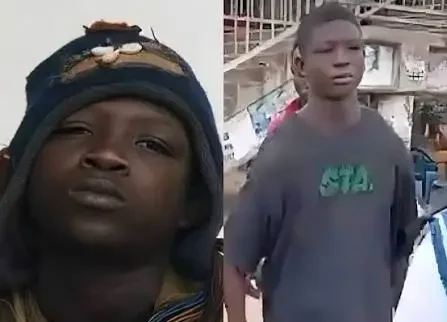
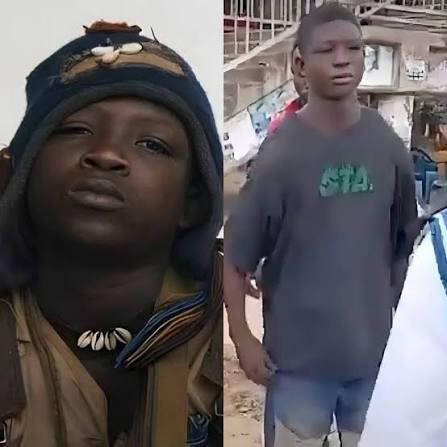
Ghanaian actor Emmanuel Nii Adom Quaye, better known by his stage name Strika, is at the centre of an unconfirmed legal case after social media reports claimed he has been handed a seven-year prison sentence for the vandalism and theft of metal components from a pedestrian bridge in Accra.
According to posts circulating online, including a video published on YouTube channel OGTV, the actor appeared before an Accra court and received the sentence. However, neither the court nor any official government authority has independently verified these claims, leaving significant uncertainty about the accuracy of the reports.
The Kwashieman Bridge Incident
The case centres on the Kwashieman pedestrian bridge, where Strika was allegedly caught by residents in August removing metal parts from the structure. According to reports, the actor was accused of cutting these materials for the purpose of selling them as scrap metal—a practice that has become increasingly common across Ghana as individuals seek to profit from metal salvage.
Bridge and infrastructure vandalism has become a persistent problem in various parts of Ghana, with metal components frequently targeted by those seeking quick financial gain. The Kwashieman bridge incident highlighted broader concerns about the protection of public infrastructure and the challenges authorities face in preventing such crimes.
Who is Strika?
Strika gained international recognition for his role in the acclaimed Netflix film Beasts of No Nation, which premiered globally in 2015. The film, directed by Cary Joji Fukunaga, brought significant attention to Ghanaian and West African talent on the international stage. Beyond this notable credit, Strika has worked within Ghana's entertainment industry, though he has not achieved the sustained mainstream prominence of some of his peers.
Why it matters for Ghana
This case raises several important questions for Ghanaians. First, the reliance on unverified social media reports to disseminate information about court proceedings underscores the need for stronger public communication from the judiciary. When sentencing decisions of public interest are announced via YouTube rather than official channels, it creates confusion and reduces public trust in institutions.
Second, the underlying issue of infrastructure vandalism remains a serious concern for Ghana's development. Public structures such as pedestrian bridges require protection to serve their intended purpose and ensure public safety. When metal components are systematically stripped and sold, these facilities become unsafe and unusable, ultimately harming ordinary Ghanaians who depend on them.
Third, the case touches on the broader economic pressures that drive individuals—even those with access to entertainment industry opportunities—toward informal and illegal activities. The appeal of quick cash from scrap metal sales reflects persistent economic challenges in Ghana that push people toward crime.
Until the Accra court or relevant judicial authorities issue an official statement confirming or denying the sentence, Ghanaians should treat social media reports about this case with caution. The distinction between reported claims and verified facts is crucial, especially in legal matters that can significantly affect someone's life and freedom.
Source: The Ghana Report
Comments (0)
Be the first to comment.