
Asantehene calls on Health Minister to revive stalled healthcare infrastructure projects


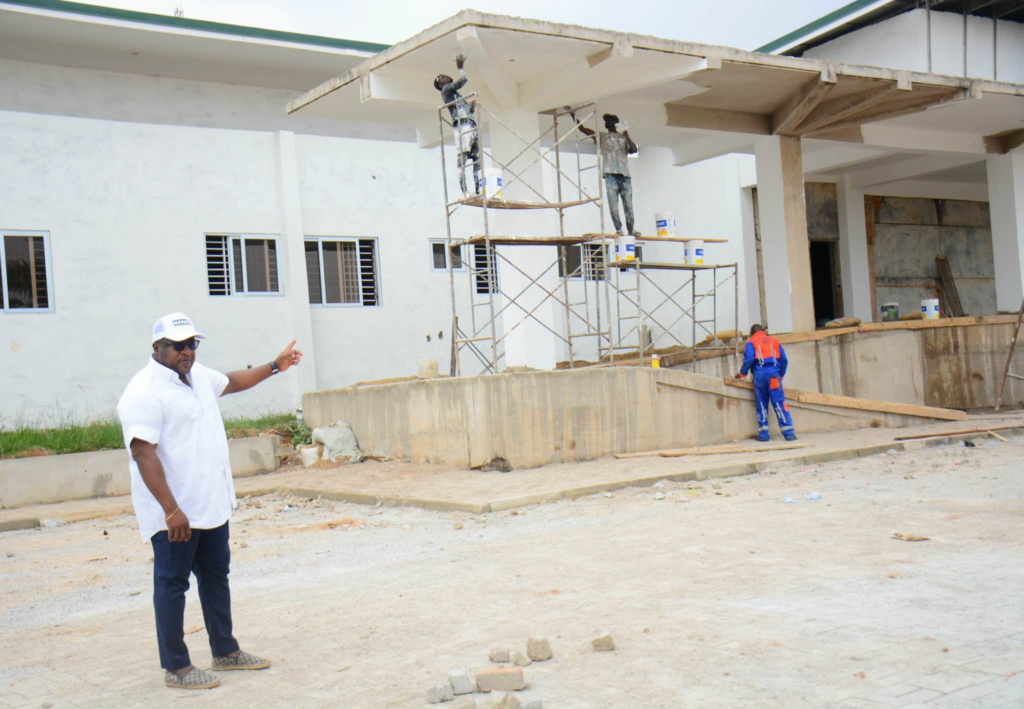
His Majesty Otumfuo Osei Tutu II has called on Ghana's Health Minister to accelerate efforts to complete healthcare infrastructure projects that have stalled across the Ashanti Region, during a courtesy visit to Manhyia Palace.
The appeal was made as the Health Minister and the Administrator of the Ghana Medical Trust Fund held discussions with the Asantehene, reflecting growing concern about incomplete medical facilities that continue to hamper service delivery in one of Ghana's most populous regions.
The challenge of abandoned health infrastructure
Ghana has struggled for years with the completion of healthcare projects, with numerous facilities left partially constructed or non-functional due to funding challenges, poor project management, and shifting priorities. In the Ashanti Region—home to over 6 million people—incomplete medical infrastructure directly affects access to quality healthcare for communities already dealing with limited resources and rising demand for services.
The Asantehene's intervention underscores the critical role traditional authorities continue to play in advocating for development in their jurisdictions. As a key stakeholder and custodian of community interests, the Ashanti monarch's direct engagement with government officials signals the urgency of the situation and the need for accountability in project execution.
The Ghana Medical Trust Fund, which was established to support healthcare financing and infrastructure development, was represented during the palace visit, suggesting discussions around potential mechanisms to unblock stalled projects and secure adequate resources for completion.
Why it matters for Ghana
Healthcare infrastructure completion is critical to Ghana's broader health system goals. Unfinished facilities represent wasted public resources, delayed patient care, and lost opportunities to strengthen healthcare capacity in regions like Ashanti that serve as economic and population hubs.
The Asantehene's push reflects frustration at the grassroots level with project abandonment—a recurring problem that erodes public confidence in government's ability to deliver. When flagship healthcare projects remain incomplete, it directly impacts:
- Access to specialist services and diagnostic facilities in underserved communities
- The ability of districts and municipalities to manage disease outbreaks and health emergencies
- Public investment returns and efficient use of taxpayer resources
- Ghana's progress toward meeting Sustainable Development Goal targets on health and wellbeing
The involvement of the Ghana Medical Trust Fund suggests there may be fresh commitment or funding mechanisms to tackle the backlog. Such interventions from traditional leadership, combined with technical and financial resources, can accelerate delivery where conventional bureaucratic approaches have faltered.
Next steps and expectations
The courtesy call to the Asantehene is likely to be followed by concrete action plans detailing timelines for project completion, resource allocation, and accountability measures. Traditional rulers' public backing of development initiatives often translates into community mobilisation and pressure on government agencies to deliver.
Ghanaians in the Ashanti Region and beyond will be watching to see whether this high-level engagement leads to tangible progress on healthcare infrastructure—a issue that directly touches the wellbeing of millions.
Source: 3News



-1200x675.webp)
Comments (0)
Be the first to comment.