
Asante Kingdom Deserves Far More Than Symbolic Gestures, Says NDC's Asiedu Nketiah


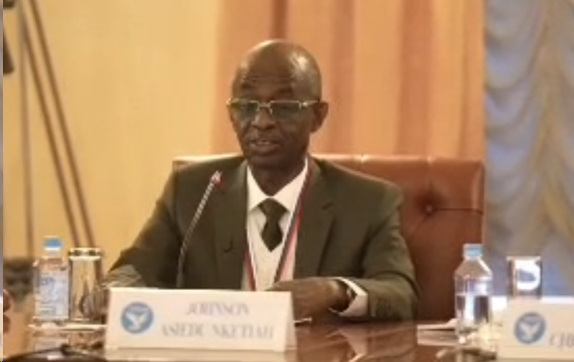
Johnson Asiedu Nketiah, the National Democratic Congress stalwart and former General Secretary, has waded into the reparations debate with a pointed critique: what has been offered to the Asante people so far amounts to little more than symbolism, falling well short of the meaningful restitution they deserve. His remarks cut to the heart of a conversation that is growing louder not just in Ghana, but across Africa and the global diaspora.
Gestures Are Not Enough
At the core of Asiedu Nketiah's argument is a distinction that many reparations advocates have long drawn attention to — the difference between performative acknowledgement and substantive justice. Symbolic acts, he contends, may generate goodwill and positive headlines, but they leave the most critical questions unanswered: Who holds legal ownership? Who is accountable? Who controls the resources, artefacts or territories in question?
The Asante Kingdom, one of the most storied and powerful pre-colonial states in West Africa, suffered enormously under British colonial rule. The British fought a series of wars against the Asante in the 19th and early 20th centuries, looted the royal palace at Kumasi, exiled the Asantehene, and seized priceless cultural treasures — most famously the Golden Stool, the sacred symbol of Asante sovereignty and nationhood. Many of those artefacts remain in British museums and private collections to this day.
Asiedu Nketiah's position is that any reparations framework that does not address the return of these cultural assets, restore legal rights, or provide tangible and verifiable accountability is simply inadequate — a point he says the Asante case makes unmistakably clear.
Why It Matters for Ghana
The reparations debate carries enormous weight for Ghana. As the first sub-Saharan African country to gain independence, Ghana has historically positioned itself as the moral and political conscience of the continent. Under President Nkrumah, Ghana championed Pan-Africanism, and that spirit has found modern expression in the Year of Return initiative and the ongoing Beyond the Return programme, which have brought tens of thousands of diaspora Africans — many of them descendants of enslaved people — back to Ghanaian soil.
The Asante Kingdom sits at the very heart of this conversation. Kumasi, the Asante capital, was a thriving metropolis of trade, culture and governance long before European colonisation. The cultural wounds inflicted during the colonial period — the looting, the humiliation, the destruction of sovereignty — are not abstract historical grievances. They are living realities felt by Asante communities today.
For Ghanaians broadly, Asiedu Nketiah's remarks raise a critical question: when international institutions, foreign governments or museums make gestures towards restitution, are those gestures designed to genuinely repair harm, or merely to quieten legitimate demands? The absence of legal transfer of ownership, enforceable agreements and long-term accountability mechanisms suggests, in his view, the latter.
A Wider African Reckoning
Ghana is not alone in grappling with these questions. Across Africa, nations are increasingly pushing back against the slow pace of cultural restitution. Benin's bronzes, Kenya's demand for colonial-era land records, and South Africa's ongoing conversations about land redistribution all reflect the same underlying frustration: that acknowledgement without action is not justice.
The reparations debate is also gaining traction at the international level, with bodies such as the African Union and CARICOM — representing Caribbean nations with deep ties to the African slave trade — calling for structured, legally binding frameworks rather than voluntary gestures.
Asiedu Nketiah's intervention, rooted in the specific experience of the Asante people, adds a powerful Ghanaian voice to this global chorus. His argument — that true reparations must involve real transfers of power, ownership and accountability — is one that resonates far beyond the borders of the Ashanti Region.
- Asiedu Nketiah says Asante reparations lack legal ownership and genuine accountability.
- The Asante Kingdom lost artefacts and sovereignty through British colonial wars and looting.
- Ghana's reparations debate links to broader African and diaspora restitution movements.
Source: 3News


Comments (0)
Be the first to comment.