Ancient farming fuel practice sparks climate and health debate in Upper East Ghana
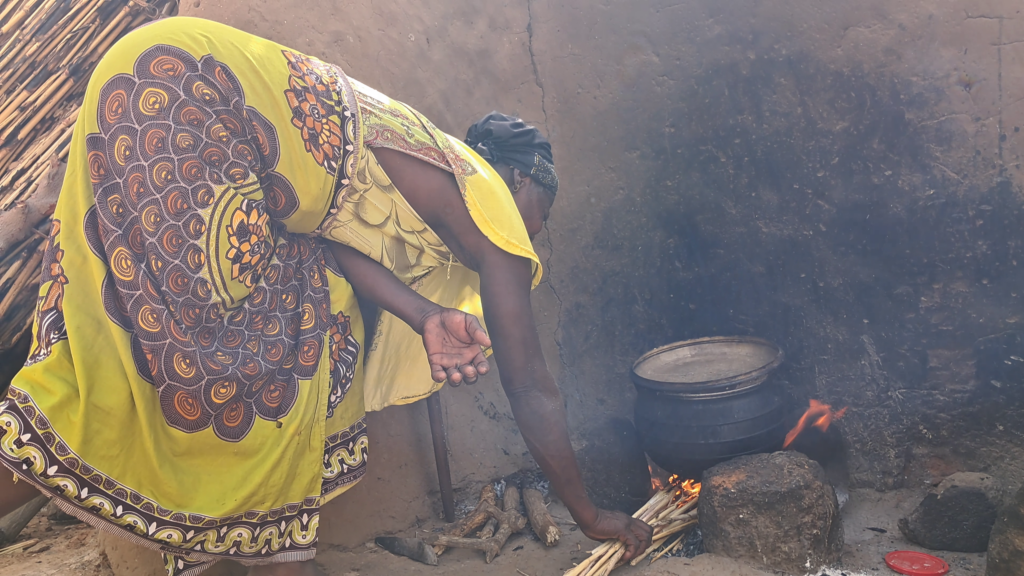
In Zuuku, a farming community near Bawku in Ghana's Upper East Region, women have revived an age-old practice that could offer unexpected climate benefits—yet it also raises serious health concerns. After harvest, families collect dried maize and millet stalks from their fields, bundle them and use them as cooking fuel during the dry season and beyond. What was once simply a survival strategy born from scarcity is now being examined by environmental experts as a potential tool in the fight against climate change and deforestation.
For households in Zuuku, the practice is rooted in necessity. Charcoal is hard to find, firewood is increasingly rare, and purchased cooking fuels are unaffordable for many families. Crop residues—the organic remains of harvest—offer a free or near-free alternative that grows naturally alongside food crops. Residents say properly dried stalks burn more efficiently than damp firewood and require no cash outlay. Some families even sell surplus stalks for small income, earning around 10 cedis to purchase soap or contribute to household food supplies.
Environmental gains, but with a cost
Dr Alexander Nti Kani, an environmental expert at the Centre for Climate Change and Food Security, argues that reusing residues that would otherwise be burned or left to rot reduces pressure on forest trees. When families cook with crop stalks instead of firewood, fewer trees are felled, forests remain better protected, and carbon emissions from deforestation decline. The International Energy Agency notes that approximately one billion people across sub-Saharan Africa still lack access to clean cooking fuels, making practical alternatives significant at scale.
However, burning any solid fuel—including crop residues—produces smoke and emissions. Unlike charcoal, which burns with less visible smoke at the point of use, open-fire cooking with stalks exposes household members, particularly women and children, to indoor air pollution. The World Health Organisation has warned that smoke from traditional cooking fuels contributes to serious respiratory and other health problems. In Zuuku, many families cook in open compounds where smoke disperses more readily than in enclosed kitchens, which reduces but does not eliminate health risks. Residents acknowledge that the fuel is not completely clean or risk-free.
Why it matters for Ghana
This practice highlights a critical tension facing Ghana and other developing nations: the need to protect forests and reduce carbon emissions whilst ensuring energy access and protecting human health. Ghana's forest cover continues to decline due to logging, agricultural expansion and firewood collection. For rural communities without access to liquefied petroleum gas or electricity for cooking, crop residue use could help ease pressure on remaining trees. Yet without proper stoves, ventilation and drying methods, it exposes vulnerable populations to health hazards.
The Food and Agriculture Organisation warns that open burning of agricultural waste releases harmful gases and depletes soil nutrients. However, agricultural specialists caution that farmers must not strip fields of all residues. Some stalks should remain as mulch, compost, livestock feed and ground cover to maintain soil moisture and fertility. Sustainable use requires balance: collecting only excess residues that would otherwise be wasted, whilst protecting soil health and farming productivity.
A path forward requires support
For Zuuku and similar communities, the question is not whether crop residues are a perfect fuel, but whether they are preferable to available alternatives. Farmer Amadi Abugre, in his 70s, notes that using some stalks for cooking prevents open burning on farms, keeping land healthier whilst helping households. To make the practice genuinely beneficial, residents need practical guidance: clear advice on sustainable collection levels, proper storage and drying methods, and access to improved cookstoves that reduce smoke. Better ventilation in cooking areas would further lower health risks.
Researchers in Ghana are investigating how crop residue cooking can be optimised for both climate and health outcomes. The opportunity lies not in promoting a crude return to traditional open-fire cooking, but in supporting communities to use existing farm resources more efficiently whilst investing in cleaner, safer technologies tailored to rural contexts.
Source: MyJoyOnline



.jpg)
Comments (0)
Be the first to comment.