
AMA Sets December Deadline for Tudu and Cocoa Board–Kantamanto Road Closures as Traders Face Relocation
-1200x675.webp)

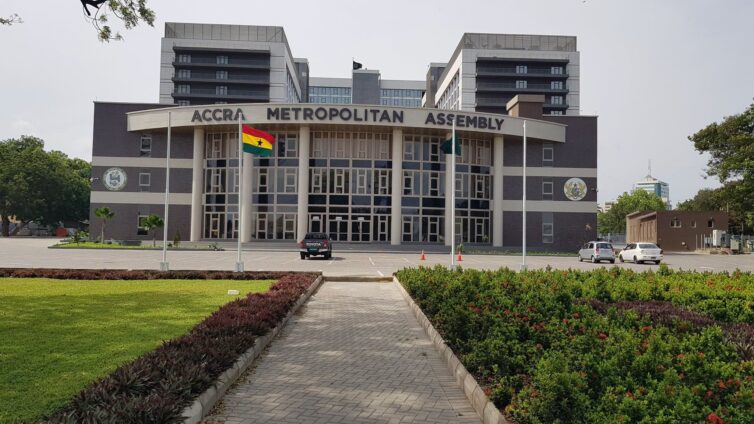
The Accra Metropolitan Assembly (AMA) has announced plans to close two major commercial routes in the heart of the capital — the Tudu stretch and the Cocoa Board-to-Kantamanto road — as part of its ongoing drive to restore order to Accra's congested central business district. The closures will be rolled out in phases, with traders operating along Accra's bus stops given until this coming Monday to clear out, while those occupying the Cocoa Board-to-Kantamanto stretch have been granted until December to relocate.
What the AMA is doing and why
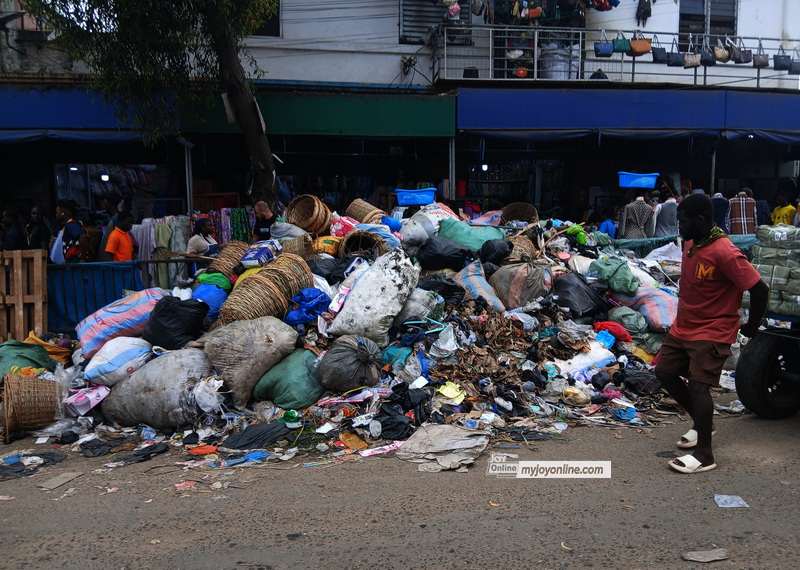
The Accra Metropolitan Assembly has long battled the encroachment of pavements, roadsides and bus stops by traders who set up makeshift stalls in some of the city's busiest corridors. The Tudu and Kantamanto areas, in particular, are among the most densely commercial zones in Accra, drawing thousands of shoppers, commuters and vendors daily. The resulting congestion affects vehicle movement, pedestrian access and the general liveability of the city centre.
The AMA's decision to phase the closures appears designed to give traders — many of whom have no permanent shop space — some time to make alternative arrangements. Those without fixed shops along the Cocoa Board-to-Kantamanto corridor have been given until December, suggesting the Assembly recognises the economic vulnerability of this group and is attempting to balance enforcement with some degree of compassion.
Traders at Accra bus stops, however, face a much tighter deadline. They have been told to vacate by Monday, indicating that the Assembly views bus stop encroachment as a more urgent public safety and transport concern. Bus stops blocked by traders create bottlenecks for commuters and make it difficult for commercial vehicles to operate efficiently along key routes.
Why it matters for Ghana
Accra's struggle with street trading and urban congestion is not new, but it carries significant economic and social consequences. The capital is the engine of Ghana's economy, and a disorganised city centre raises the cost of doing business, discourages investment and undermines the experience of residents and visitors alike.
For the thousands of informal traders who depend on roadside commerce for their daily income, these closures represent a serious livelihood concern. Many of the vendors in areas like Kantamanto and Tudu are low-income earners — some selling second-hand clothing, food, electronics and household goods — who may struggle to find or afford alternative trading spaces within the city.
At the same time, the AMA's actions reflect a broader national conversation about how Ghanaian cities manage rapid urbanisation. Accra's population has grown enormously over the decades, and infrastructure has often struggled to keep pace. Road closures of this nature, if properly managed and followed through, could ease traffic, improve pedestrian safety and make the city more functional — but only if traders are given viable alternatives rather than simply being pushed off the streets with nowhere to go.
What comes next
The success of the AMA's plan will depend heavily on enforcement consistency and whether alternative trading spaces are made available. Past attempts to decongest Accra's central business district have sometimes stalled due to political pressure, legal challenges from traders or a simple lack of follow-through after initial enforcement exercises.
- The Assembly will need to work closely with trader associations to ensure the transition is managed without sparking significant unrest.
- Providing affordable, accessible and well-located alternative market spaces will be critical to making the relocation stick.
- Accra residents and commuters, who have long endured the chaos of these congested corridors, will be watching closely to see whether this latest exercise produces lasting change or fades like previous efforts.
The AMA has not yet indicated what specific alternative arrangements will be provided for displaced traders, and that remains the key unanswered question as the deadlines approach.
Source: 3News


Comments (0)
Be the first to comment.