Accra shuts down markets and shops for major National Sanitation Day clean-up exercise
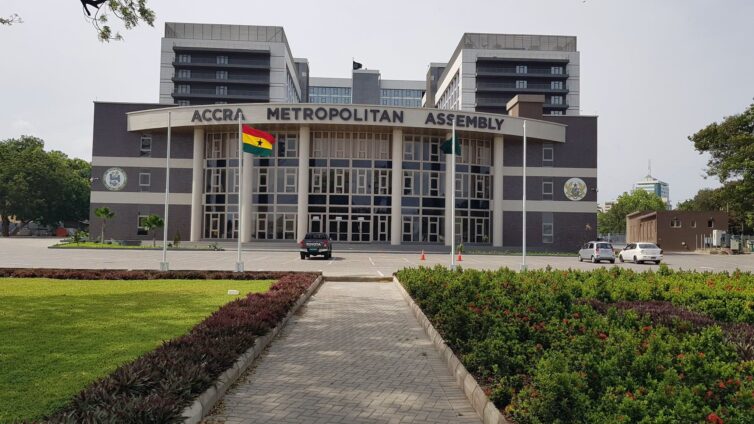
Accra's commercial hub will grind to a halt this Saturday as the Accra Metropolitan Assembly (AMA) enforces a mandatory closure of shops, markets and businesses from 6:00 a.m. to noon on October 3. The temporary shutdown marks Ghana's participation in the 2026 World Cleanup Day and the National Sanitation Day exercise, with Accra hosting the flagship national event.
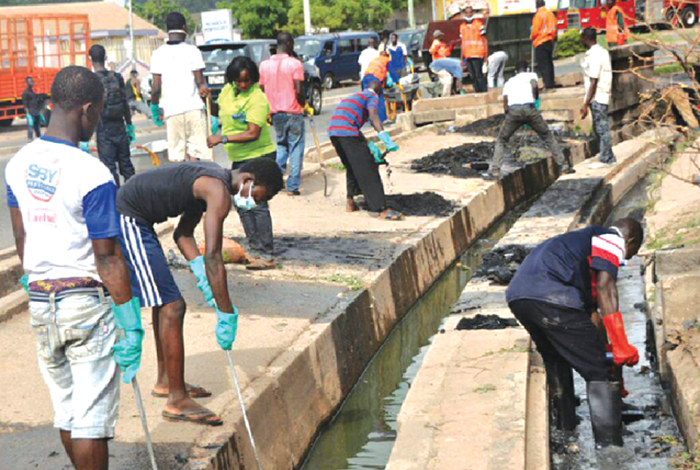
The directive, issued by the AMA's Head of Public Affairs Gilbert Nii Ankrah on behalf of the Metropolitan Chief Executive, requires all commercial establishments within the capital to suspend operations and instead participate in a coordinated clean-up initiative. The exercise will focus on desilting drains, sweeping streets, collecting refuse and sanitising public spaces and business surroundings across the metropolis.
Who's involved and where the action happens
The national event will be spearheaded by the Minister for Local Government, Chieftaincy and Religious Affairs, Mahama Ayariga, under the theme "National Sanitation Day: Local Actions Yielding National Impact." The AMA has mobilised activities across its three sub-metropolitan areas, with specific market and commercial centres designated as focal points.
In Ashiedu Keteke, the clean-up will encompass London Market and Rawlings Park. Ablekuma South will see activities at Tuesday Market and Camara, whilst Circle Neoplan has been identified as the key location in Okaikoi South. Beyond these major centres, the Assembly expects traders and business operators to use the six-hour window to clean their own premises, clear surrounding drains and remove waste.
The AMA has mobilised Public Health Officers (Sama-Sama) and its Sanitation Task Force to monitor compliance and oversee the exercise. The Assembly has warned that non-compliance with closure directives will result in sanctions, prosecution and penalties prescribed by law, signalling its commitment to enforcing participation.
Why it matters for Ghana and what it signals
This initiative reflects the government's broader "Clean Up Ghana Agenda," which seeks to embed collective responsibility for environmental sanitation into Ghana's culture. The exercise goes beyond a one-off clean-up: it represents an attempt to shift mindsets about urban cleanliness and shared civic responsibility.
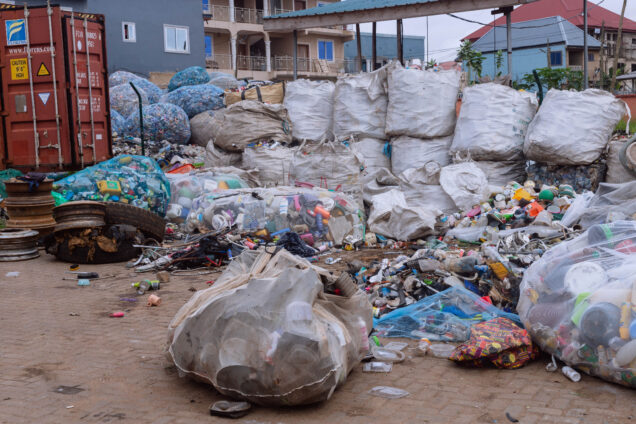
For Accra specifically, sanitation has been an ongoing challenge. Drainage congestion, uncollected waste and poor hygiene in commercial areas—particularly markets—pose public health risks and affect the capital's appeal. By mobilising traders, residents, corporate institutions, non-governmental organisations, religious bodies and schools simultaneously, the AMA is testing a model of mass participation that could be replicated across Ghana's metropolitan areas.
The Assembly has explicitly acknowledged that municipal authorities alone cannot maintain a clean city. This messaging is significant: it marks a public admission that sanitation improvement requires sustained behavioural change and community ownership, not merely administrative enforcement. The appeal to corporate bodies and civil society organisations suggests the AMA recognises that Accra's sanitation challenge demands multi-sectoral collaboration.
For traders and business operators, the six-hour closure presents logistical challenges but also an opportunity to demonstrate environmental stewardship. The Assembly's expectation that businesses will use the time productively—cleaning drains, premises and surrounding areas—effectively enlists the private sector as frontline actors in urban hygiene.
What traders and residents should prepare
The AMA has urged traders and business operators to make arrangements ahead of Saturday to avoid disruption and ensure smooth compliance. Commercial establishments should clear drains, sweep streets, remove refuse and ensure their premises are clean. Beyond commercial actors, residents in participating communities are encouraged to join the exercise and maintain clean surroundings beyond the designated sanitation period.
The exercise aims to demonstrate Ghana's commitment to environmental sustainability through local action. As the Assembly noted, improving sanitation in Accra requires the involvement of residents and organisations across different sectors, and the success of October 3's exercise will largely depend on the willingness of traders, residents and other stakeholders to embrace this shared responsibility.
Source: Today GH


Comments (0)
Be the first to comment.