Akyerɛdeɛ: How Akan families honour in-laws through funeral gifts and kinship
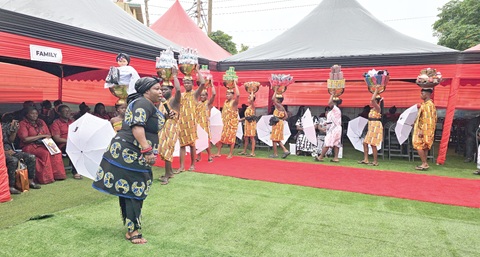
At Akan funerals across Ghana, a carefully choreographed procession of gifts tells a story far deeper than mere ritual. Known as Akyerɛdeɛ, this solemn ceremony represents a family's public gratitude to their in-laws, cementing bonds that transcend death itself. The practice, often misunderstood by outsiders as simple decoration, embodies core values of respect, appreciation and the enduring nature of kinship ties created through marriage.
Understanding the three funeral rites
Many Ghanaians themselves conflate the various gift-giving practices that occur during Akan funeral rites, yet each serves a distinct purpose. Adwaredeɛ refers to bathing items used to prepare and dress the deceased for burial. Adesiedeɛ comprises items placed with or provided for the deceased before interment—offerings meant to accompany them in the afterlife. Akyerɛdeɛ, by contrast, is the public exhibition of gifts presented by in-laws at the funeral grounds, displayed before the bereaved family formally receives them.
The ceremony in practice
The Akyerɛdeɛ procession is visually striking and highly symbolic. Attendants carry ornate brass bowls balanced on their heads, parading through the funeral grounds while displaying an array of carefully arranged items. The gifts typically include bottled water, assorted beverages, soft drinks, towels and toiletries such as soap, sponge and perfume. Cloth, blankets, bed sheets, pillows and shoes are also standard offerings, along with cash contributions. Toffees have become common additions, replacing kola nuts that historically featured as symbols of hospitality and goodwill. In some communities, packets of matches are presented to symbolise providing fire or light for the deceased's journey to the ancestral realm.
Each item chosen carries intentional meaning. The gifts are not displays of wealth or competitive status-seeking; rather, they represent thoughtful tributes expressing genuine gratitude. Through Akyerɛdeɛ, the surviving in-law—whether spouse or extended family member—pays a final honour to a departed father-in-law or mother-in-law while simultaneously affirming that the relationship between the two families endures beyond death.
Why it matters for Ghana
As modern lifestyles reshape how Ghanaians practise traditional customs, Akyerɛdeɛ exemplifies how cultural practices adapt without losing their essence. While contemporary families may streamline the ceremony, substitute certain items with financial support, or simplify the presentation format, the underlying values remain intact. This flexibility ensures that younger generations, whether living in urban centres or abroad, can still participate meaningfully in honouring family connections.
Understanding Akyerɛdeɛ is important for all Ghanaians because it illuminates how funeral customs function as more than mere ritual observance. These practices transmit values about family obligation, respect for elders and the sanctity of marriage bonds. For diaspora Ghanaians, such knowledge strengthens cultural identity and enables them to participate authentically in funeral ceremonies back home. For younger Ghanaians navigating modernisation, recognising the purpose behind traditional practices helps distinguish between customs worth preserving and unnecessary elements that can be modified.
Ultimately, Akyerɛdeɛ stands as a testament to Akan culture's sophistication in expressing gratitude and maintaining kinship. It demonstrates that in Ghana's funeral traditions, every gesture carries weight, every gift speaks volumes, and every ceremony reinforces the bonds that make society cohesive across generations.
Source: The Ghana Report


Comments (0)
Be the first to comment.