African Women Demand Gender-Conscious Air Quality Policies as Pollution Exposure Crisis Goes Unaddressed
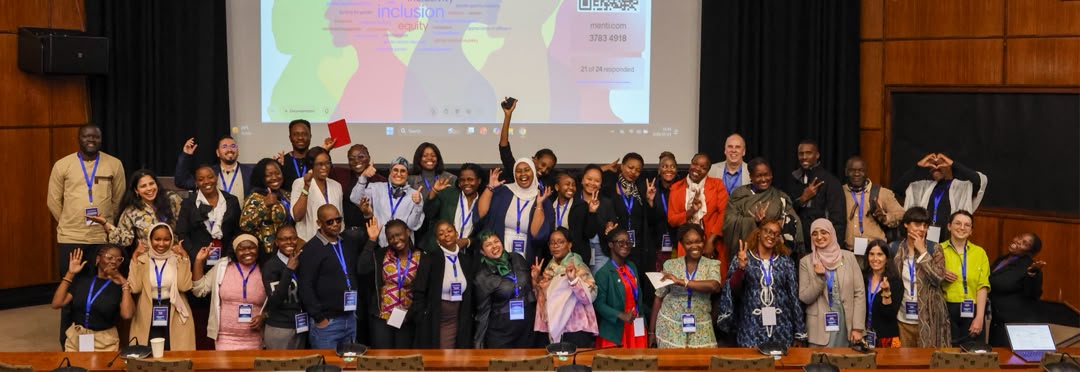
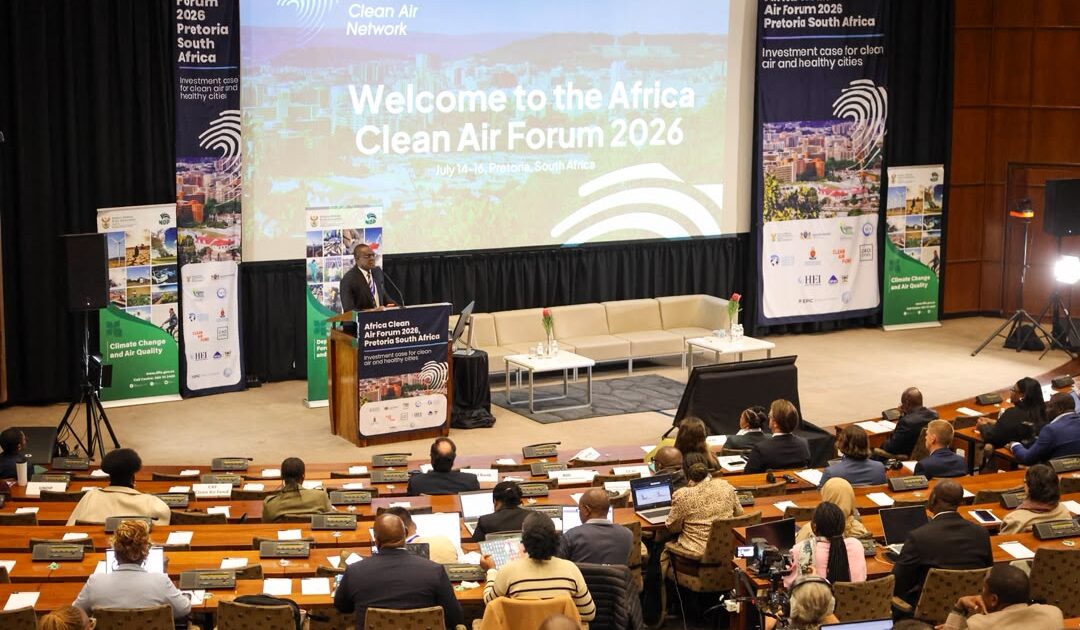
Women across Africa are demanding that governments design air quality policies with their specific needs in mind, arguing that gender-blind approaches have allowed disproportionate health risks to go unchecked. Speaking at the Africa Clean Air Forum in Pretoria, activists, scientists and policymakers highlighted how traditional caregiving roles, household cooking practices and employment patterns expose African women to levels of air pollution that policy frameworks have largely ignored.
The push comes as a growing network of female professionals across Africa mobilises to bridge a critical gap: whilst air quality initiatives increasingly focus on transport emissions and urban planning, they overlook the everyday realities women face in their homes and workplaces. Dr. Pallavi Pant, Head of Global Initiatives at the Health Effects Institute, explained that women's disproportionate exposure stems from multiple, interconnected sources. In many households across the continent, women are primary cooks and remain longer in kitchens where they burn wood, charcoal and animal dung—fuels that produce toxic indoor air pollution. Additionally, women often work in occupations with higher pollution exposure, yet policy discussions rarely account for these realities.
How Gender Shapes Pollution Exposure
The connection between gender and air pollution extends beyond cooking. Women's responsibilities as primary caregivers mean they spend extended periods indoors breathing household pollution whilst caring for children and elderly relatives. Their reliance on public transport in many African cities exposes them to outdoor air pollution from traffic and industrial sources. When designing clean air solutions, policymakers have traditionally overlooked these gender-specific pathways of exposure, instead prioritising broad infrastructure changes that may not translate into immediate health benefits for women.
Priscah Adrine Murabaca, a communications specialist from Uganda, grew up in a rural community where firewood cooking was normalised without question. She only later connected the household smoke she breathed as a child to serious health consequences for women and children. Today, she works with communities to promote practical, affordable solutions—encouraging families to open windows or cook outdoors where feasible—recognising that many households cannot immediately transition to cleaner fuels.
Kenyan architect Mariam Wangeshi highlighted how urban planning decisions directly affect women's exposure to pollution. She advocates for city designs that reflect women's actual lived experiences: raising children, commuting to work, shopping and caring for families. Such designs could reduce unnecessary time spent in high-pollution areas and ensure safer, healthier environments for women navigating urban spaces.
Why It Matters for Ghana
Ghana faces significant indoor and outdoor air quality challenges, particularly in urban centres like Accra and Kumasi. Millions of Ghanaian households, especially in rural and peri-urban areas, rely on biomass fuels for cooking, exposing women and children to dangerous levels of indoor air pollution. Additionally, Accra's rapid urbanisation has brought increased traffic congestion and industrial emissions. The gender-responsive policy approach being championed across Africa offers critical lessons for Ghana: air quality interventions designed without considering how women cook, work and move through cities risk missing those most vulnerable to pollution's health effects.
The Women in Air Quality initiative, which began as a WhatsApp support group in March 2020, has expanded across South Asia and Africa, connecting scientists, journalists, policymakers, architects, activists and students. For Ghana, strengthening such networks could amplify local voices calling for evidence-based, gender-conscious air quality reforms. South African activist Ranela Ngobile and others stress that integrated data linking women's health outcomes, livelihoods and pollution exposure remains scarce. Without disaggregated data showing how pollution affects Ghanaian women specifically, advocacy efforts remain hindered.
Building Evidence for Change
A major obstacle to policy action, participants noted, is the absence of integrated evidence linking women's health with their pollution exposure pathways. Health data, livelihood data and air quality data exist separately but are rarely connected to reveal the full picture of how women's economic and domestic roles shape their vulnerability to pollution. Advocates argue that bridging these data gaps is essential: concrete numbers demonstrating pollution's disproportionate impact on women can drive stronger policy commitments.
For Ghana, developing such integrated evidence could strengthen arguments for gender-responsive air quality policies—from cleaner cooking fuel subsidies targeting women to transport and urban planning decisions that reduce women's pollution exposure. The African Women in Air Quality movement demonstrates that meaningful change requires both professional support networks for female air quality experts and policymaking frameworks that explicitly centre women's health and safety.
Source: MyJoyOnline


Comments (0)
Be the first to comment.