
African innovation: South Africa launches rooibos seeds to space station in groundbreaking experiment
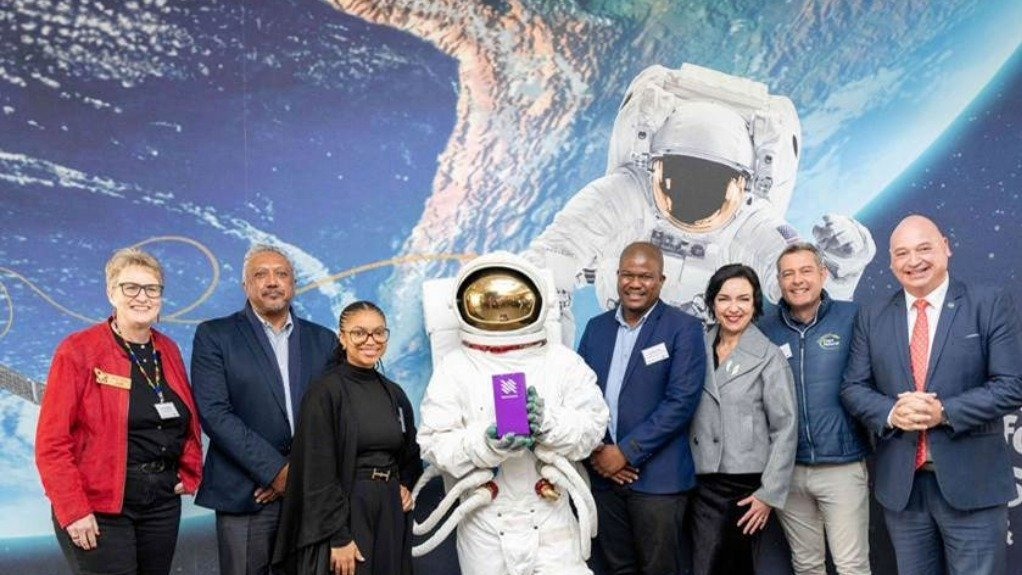

South Africa is preparing to launch seeds from its prized rooibos plant to the International Space Station this October, marking a significant moment for African agricultural science and space exploration. The initiative, called Rooibos in Space, will expose the seeds to microgravity and cosmic radiation before returning them to Earth for comparison with control samples, combining cutting-edge space research with practical education for young scientists.
The project brings together the South African Rooibos Council, space education company MaxIQ Space, and the South African National Space Agency. Once the seeds complete their weeks-long journey aboard the ISS, researchers will study how space conditions affect germination, growth, yield and plant resilience. The experiment represents a unique blend of heritage agriculture and modern scientific inquiry, positioning one of Africa's most valuable export crops at the forefront of space-based research.
Educational focus and community involvement
Central to the initiative is its emphasis on developing scientific skills among the next generation of African researchers. Seven schools across the Cederberg region of the Western Cape—the heartland of South Africa's rooibos industry—will participate actively. Learners will work directly with local farmers to collect seeds, monitor the control crops, and analyse experimental results. Parklands College in Cape Town, where the project was formally launched, will run a parallel experiment on the ground.
The educational component extends beyond the participating schools. South Africa has invited learners nationwide to design the official mission patch, with a deadline of end August for submissions. This wider engagement demonstrates how the project seeks to inspire interest in space science and agricultural innovation across the country.
Why this matters for Africa
The Rooibos in Space project carries significance beyond its scientific goals. Rooibos is not merely a cultural symbol—it is a major economic driver for South Africa and an increasingly important African export. In 2025, South Africa exported approximately 10,930 tonnes of rooibos to over 50 countries worldwide, surpassing the 10,000-tonne threshold for the first time. The domestic industry produces around 20,000 tonnes annually, with roughly half consumed locally and the remainder shipped internationally, generating thousands of jobs across farming, processing, packaging and retail sectors.
Notably, rooibos became the first African food product to receive European Union protected designation of origin status, a distinction that legally links the product name to its recognised South African production region. This achievement underscores rooibos's standing as a premium African commodity with global recognition.
By sending rooibos seeds into orbit, South Africa is projecting African agricultural innovation onto the world stage in a field traditionally dominated by space agencies from developed nations. The project demonstrates how African nations can leverage indigenous resources and scientific capability to contribute meaningfully to space research. For young Africans involved in the experiment, it offers tangible proof that their continent's agricultural heritage deserves a place in humanity's exploration of space and scientific advancement.
Directors emphasised the project's broader mission. South African Rooibos Council director Dawie de Villiers highlighted how the initiative connects agricultural heritage with scientific research and education, stressing the importance of building scientific literacy and skills among future researchers. MaxIQ Space founder Judi Sandrock noted that learners will gain hands-on experience in research methodology, data collection and scientific analysis—practical competencies essential for developing a competitive workforce in science and technology sectors across Africa.
Source: The Ghana Report




Comments (0)
Be the first to comment.