
Accra's flood crisis gets action: Task force launches major dredging and demolition drive


The Flood Mitigation Task Force has launched a comprehensive phased operation to tackle Accra's persistent flooding challenges through strategic dredging, desilting and demolition across the city.
The initiative marks a significant push to address the infrastructure and environmental factors that have left residents and businesses vulnerable to seasonal flooding. The multi-phase approach targets critical waterways and drainage systems that have become clogged with sediment and debris, restricting water flow during heavy rains.
The scope of the operation
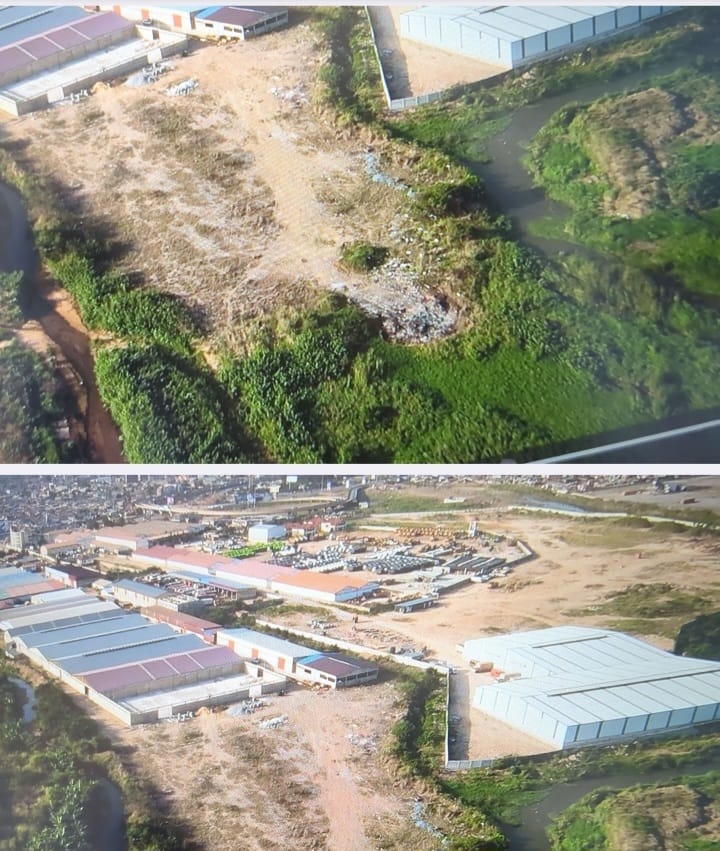
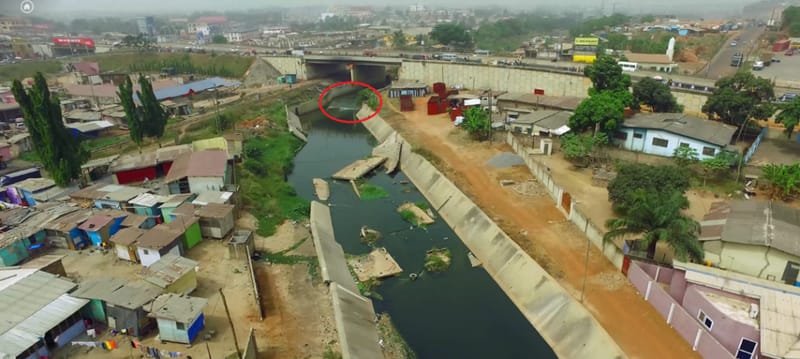
The task force's intervention spans multiple locations throughout Accra, with plans to clear blocked drainage channels, remove accumulated sediment from water bodies, and demolish structures that obstruct flood management infrastructure. These structures—often erected illegally in waterways and flood-prone areas—have significantly worsened the city's drainage capacity.
By targeting these three key areas simultaneously, authorities aim to restore natural water flow, improve drainage efficiency, and reduce the impact of flooding on communities during rainy seasons. The phased approach suggests the operation will be rolled out strategically across different zones rather than all at once.
Why it matters for Ghana
Flooding remains one of Accra's most pressing urban challenges, affecting thousands of residents annually. During peak rainy seasons, poorly drained areas become waterlogged, destroying property, disrupting commerce, and creating public health hazards. The situation has been exacerbated by rapid urbanisation, informal settlements in low-lying areas, and years of neglected drainage maintenance.
For Ghanaians living in Accra, this operation represents a concrete effort to reduce vulnerabilities that disproportionately impact low-income communities and informal traders. Successful execution could improve road accessibility, reduce disease outbreaks linked to stagnant water, and protect livelihoods that depend on uninterrupted business activity.
The demolition component is particularly significant, as it signals government commitment to enforcing land-use regulations in waterways—a persistent challenge where informal occupation of drainage zones has been tacitly tolerated. However, the human impact of such demolitions will require careful management and alternative solutions for affected residents.
Broader implications
The task force's intervention suggests a shift toward proactive infrastructure management rather than reactive emergency response. If sustained and properly funded, such operations could establish a cycle of regular maintenance that prevents the kind of large-scale blockages that turn minor rainfall into major flooding events.
Success will depend on coordination between multiple agencies, adequate resource allocation, and follow-up maintenance to prevent the rapid re-accumulation of sediment and debris. Public cooperation—particularly compliance with regulations against building in waterways—will also be crucial for long-term impact.
For businesses and residents across Accra, the coming weeks will reveal whether this operation translates into tangible improvements in drainage during the next rainy season. The initiative's effectiveness will likely set expectations for similar interventions in other flood-prone cities across Ghana.
Source: 3News


Comments (0)
Be the first to comment.