
24-Hour Economy is about productivity and value creation, not just longer working hours – Tanoh
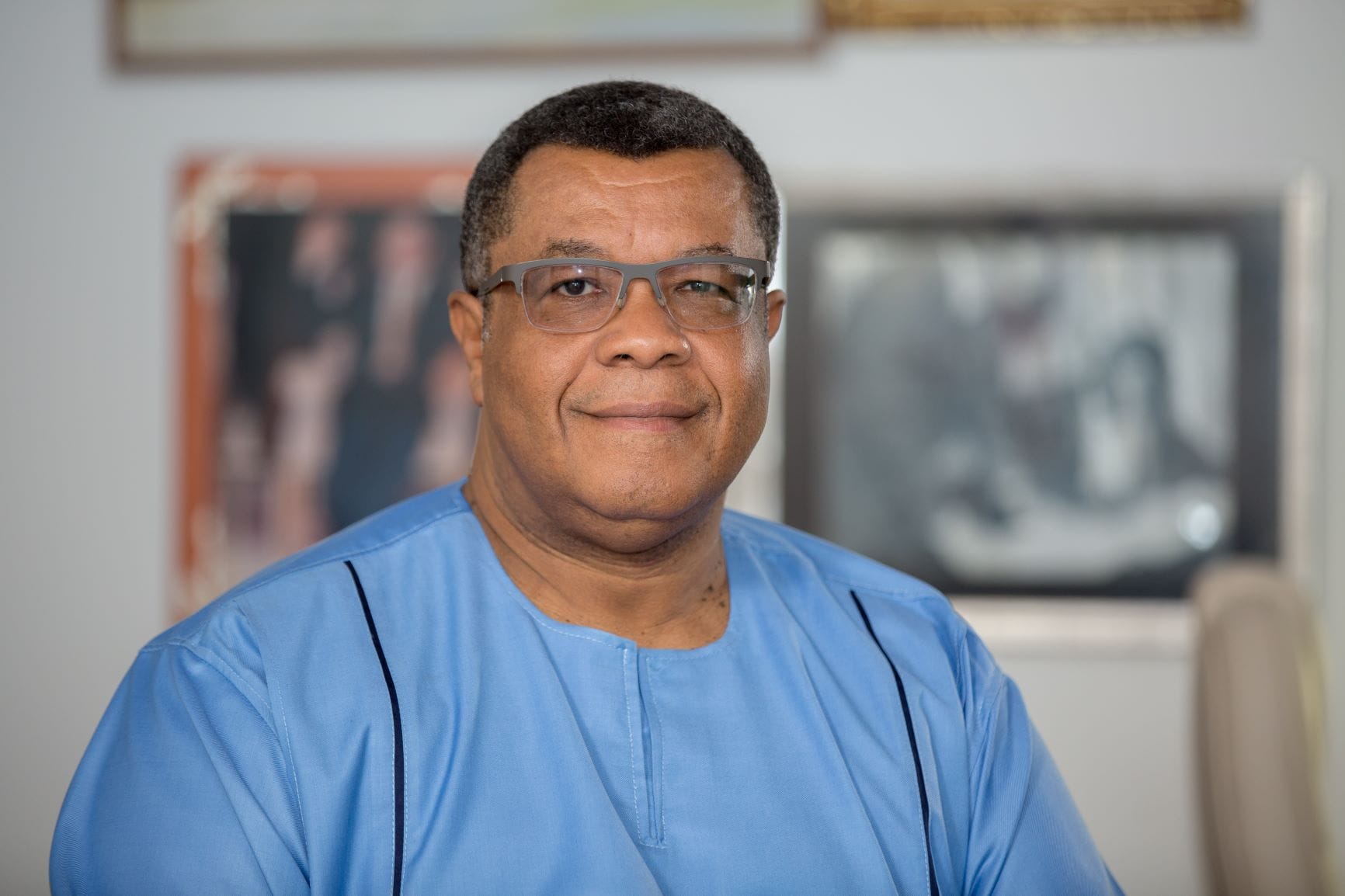
Ghana's 24-Hour Economy Authority has clarified that the government's flagship economic initiative is fundamentally about boosting national productivity and creating sustainable jobs through industrialisation, rather than merely extending business operating hours.
Goosie Tanoh, the Presidential Adviser at the 24-Hour Economy Authority, made this distinction clear at the Made-in-Ghana Business Summit in Accra last Friday, emphasising that the policy aims to transform Ghana into a nation where industries operate efficiently, technology drives innovation, and citizens have continuous opportunities to contribute to economic growth.
Moving beyond raw material exports
At the heart of the government's vision is a fundamental shift in how Ghana positions itself in global supply chains. Rather than remaining a supplier of unprocessed commodities, the country should focus on value addition and manufacturing, Tanoh argued. He highlighted specific examples of this transformation: Ghana should move from exporting raw cocoa to producing premium chocolate, from exporting bauxite to manufacturing aluminium products, and from exporting timber to producing quality furniture.
This approach recognises that sustainable economic growth and prosperity depend on developing manufacturing capabilities. According to Tanoh, industrialisation creates genuine value, increases household incomes, stimulates technological innovation, and generates thousands of quality jobs – outcomes that raw material exports cannot achieve at the same scale.
The government is therefore prioritising investment across multiple sectors, including agro-processing, pharmaceuticals, renewable energy, digital technologies, textiles, automotive assembly and mineral beneficiation. Each of these areas represents an opportunity to create a more resilient economy less dependent on commodity price fluctuations.
Why it matters for Ghana
The 24-Hour Economy framework addresses a critical challenge facing Ghana: how to translate resource wealth into sustained development and employment for a rapidly growing, young population. With over 60 per cent of Ghanaians below the age of 35, creating quality jobs is not merely an economic priority but a social imperative.
Youth entrepreneurship has been identified as a critical pillar of this strategy. Tanoh stressed that empowering young entrepreneurs requires a comprehensive ecosystem: affordable financing mechanisms, skills development programmes, functional business incubation centres, reliable digital infrastructure, streamlined regulatory processes, and genuine partnerships between government, educational institutions and industry.
The summit, organised by the Entrepreneurs Foundation of Ghana, brought together government officials, business leaders, investors, diplomats and development partners to explore how economic opportunities can be extended beyond Accra into Ghana's regions – a crucial objective for inclusive national development.
Revenue collection shows momentum
Supporting the broader economic agenda, the Ghana Revenue Authority reported strong revenue performance in the first half of this year. The GRA raised GH¢22.71 billion against a target of GH¢22.48 billion, with both the Domestic Tax Revenue Division and Customs Division contributing to the achievement. Notably, the Customs Division surpassed its monthly target for the first time in several months, signalling improved compliance and economic activity.
According to Elsie Appau-Klu, Technical Advisor to the GRA Commissioner-General, the result reflects collective effort from taxpayers and revenue authority staff, creating the fiscal resources necessary for government investment in long-term national development.
Source: MyJoyOnline



Comments (0)
Be the first to comment.