
2026 World Cup Expansion: What Ghana Should Know About Football's Biggest Tournament Yet

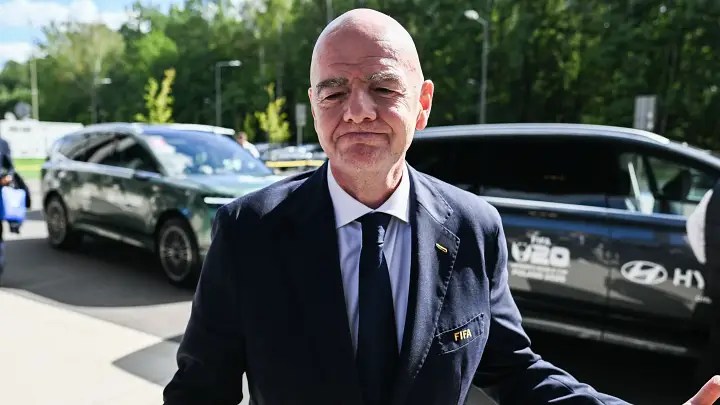
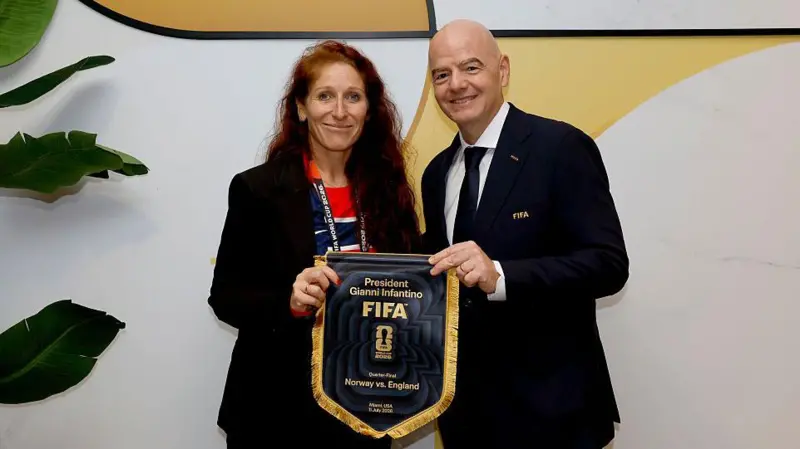
The 2026 FIFA World Cup will be unlike any tournament before it. For the first time, 48 nations will compete across the United States, Mexico and Canada—a historic expansion that promises to redefine the tournament's reach, drama and commercial impact. While Fifa president Gianni Infantino's claim that it will be the "biggest event in the history of mankind" may sound hyperbolic, the structural and operational changes planned suggest a fundamentally different World Cup experience.
Ghana, which last qualified for the World Cup in 2014, will be watching closely. The expansion increases opportunities for African nations to qualify, and the tournament's innovations—from new seeding policies to mandatory hydration breaks—will shape how African teams approach knockout football on the global stage.
What the 48-Team Format Actually Changes
The move from 32 to 48 teams means 80 matches instead of the traditional 64, fundamentally altering tournament dynamics. The 2026 format will see 16 groups of three teams, with eight third-placed teams advancing to the knockout stage. Early tournaments revealed both the benefits and pitfalls of this structure.
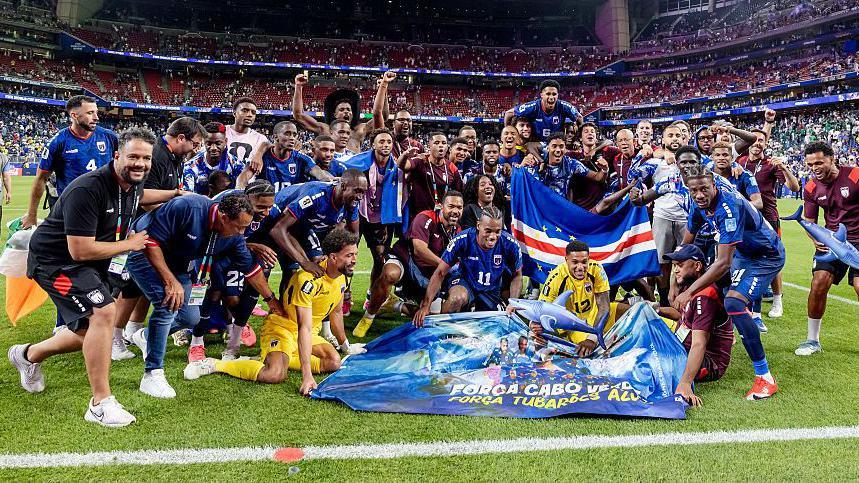
Cape Verde's historic debut demonstrated the expansion's narrative strength. The Atlantic archipelago, with just 530,000 people, secured draws against Spain and Uruguay to reach the knockout rounds—an achievement impossible under the old format. Similarly, Curaçao and DR Congo claimed shock results that would have meant elimination previously. These underdog stories add colour to the tournament.
However, the expanded format created logistical problems. Fifa's decision to use head-to-head records over goal difference as the primary tiebreaker led to tactical collusion. Australia and Paraguay, knowing both could advance with a draw, deliberately played to that outcome. This undermines competitive integrity—a concern for smaller nations like Ghana that rely on unpredictability to upset favourites.
The increased number of matches also raises injury and fatigue concerns for players, particularly those from African clubs with congested domestic schedules.
New Rules That Will Reshape Tournament Strategy
Fifa introduced mandatory three-minute hydration breaks in every match, ostensibly for player welfare. Yet these stoppages became effective tactical timeouts, with coaches deploying tactical devices to reorganise formations and strategies mid-match. Several games' outcomes were materially altered by these interventions.
Equally significant: Fifa's new seeding policy ensures the top four ranked nations (currently Argentina, England, France and Spain) are drawn into separate quarters, preventing early meetings. The system also guarantees the top two seeds cannot meet before the final, mirroring tennis tournament structures. This provides stronger nations with structural advantages that smaller nations must overcome through superior execution alone.
Why This Matters for Ghana
Ghana's return to World Cup qualification will occur under these new rules. The 48-team format increases African slots—beneficial for a nation rebuilding after 2014. However, the changes also highlight disparities: wealthier nations can exploit hydration breaks for tactical advantage; seeding policies protect elite teams; and expanded tournaments mean facing debutants who, while weaker on average, bring unpredictable attacking approaches.
For Ghanaian fans and stakeholders, understanding these structural shifts is crucial. Ghana's approach to recruitment, tactical flexibility and squad depth will need to account for longer tournaments, more tactical breaks, and opponents who may be tactically naive but physically fresh. The 2026 World Cup represents both opportunity and complexity for African football.
Ultimately, Infantino's "biggest event" claim rests less on sporting purity and more on commercial scale—more matches, more advertising, more participating nations. Whether this expansion enhances or dilutes the World Cup's prestige remains contested, but it is undeniably the future of global football's premier tournament.
Source: MyJoyOnline


Comments (0)
Be the first to comment.