World Football Power Struggle: UEFA Challenges FIFA's $20 Billion Investment Scheme
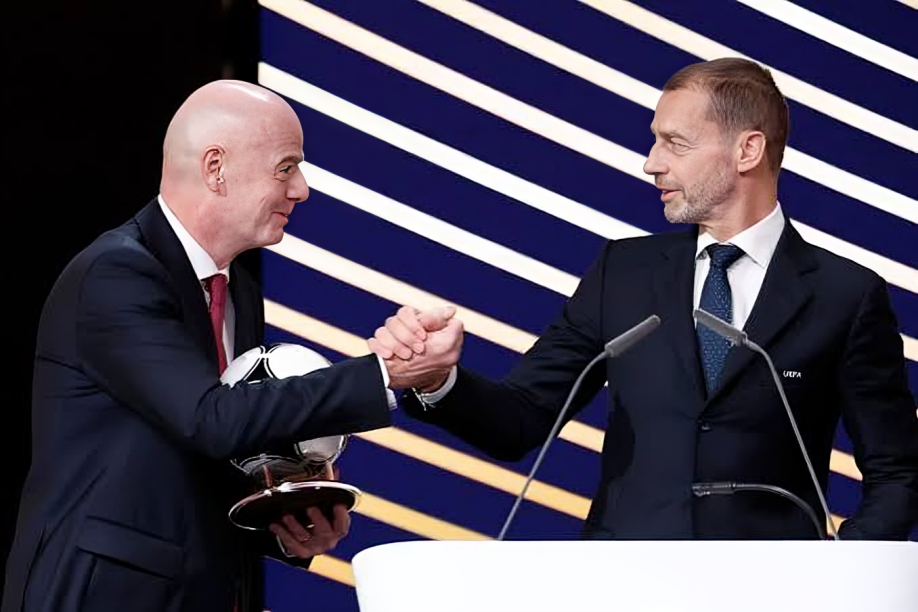
A major conflict is brewing in global football administration as UEFA, the governing body for European football, has intensified its opposition to FIFA's ambitious plan to establish a $20 billion commercial company and sell a minority stake to private investors. The dispute reflects mounting tensions over how world football should be governed and financed at the highest levels.
FIFA's proposal marks a significant shift towards commercialisation of the sport's global structures. The plan would involve creating a new company that would handle commercial operations and potentially attract external capital from private equity investors. However, UEFA's escalating resistance signals deep concerns about the direction of international football governance and the potential implications of privatising key football operations.
The Core of the Dispute
The conflict centres on fundamental questions about football's future. UEFA's opposition reflects concerns that FIFA's commercialisation strategy could compromise the sport's integrity and change how football is administered globally. The European confederation, which oversees football in 55 nations across Europe and parts of Asia, wields considerable influence and represents one of FIFA's most powerful constituencies.
The $20 billion valuation underpinning FIFA's proposal suggests the organisation views commercial opportunities in global football as vastly underexploited. Private investors typically seek involvement in sports ventures expecting significant returns, which raises questions about how such expectations might align with football's traditional governance structures.
Why It Matters for Ghana and African Football
This power struggle carries implications for Ghanaian and broader African football. As a FIFA member, Ghana's football interests are ultimately shaped by decisions made at FIFA headquarters. Any restructuring of FIFA's commercial operations could affect revenue distribution models and how African nations participate in global football competitions.
The dispute also reflects broader debates about football governance across Africa. If private investors gain influence over FIFA's commercial structures, it could reshape how competitions are organised, scheduled, and monetised. African nations, including Ghana, depend on FIFA revenues from competitions and could see changes in how those funds are distributed.
UEFA's strength in this conflict is significant because European football generates the largest share of global football revenue. Any decision that goes against UEFA's wishes would be extremely difficult for FIFA to implement. This dynamic means African nations should monitor how this dispute resolves, as the outcome will likely influence football's global structure for years to come.
What Lies Ahead
The confrontation between UEFA and FIFA is unlikely to be resolved quickly. UEFA's intensified opposition suggests the confederation may be preparing to take formal action or rally other confederations against the proposal. FIFA will need to either modify its plans substantially or find ways to address UEFA's core concerns.
The coming months will reveal whether FIFA can build sufficient support from other continental confederations, including the Confederation of African Football (CAF), to proceed with the investment plan despite UEFA's resistance. How this high-level power struggle unfolds will shape football governance globally and influence how resources flow through the sport at all levels.
Source: 3News
Comments (0)
Be the first to comment.