World Cup Economics: How Host Nations' Exit is Reshaping Tournament Finances and African Football's Rising Star Power
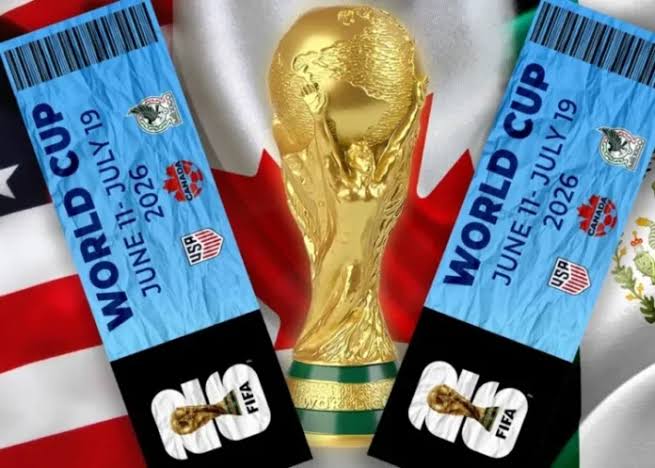
The 2026 FIFA World Cup has delivered an unprecedented economic shock following the simultaneous elimination of all three host nations—the United States, Mexico, and Canada—in the Round of 16. This historic failure marks the first time in World Cup history that all co-hosts have exited before the quarterfinals, fundamentally reshaping ticket valuations, hospitality revenues, and the tournament's commercial landscape across North America.
The Secondary Market Collapse
The immediate impact has been devastating for secondary ticket markets. Data from TickPick reveals that quarterfinal tickets have experienced dramatic price corrections. The Spain versus Belgium match scheduled for Los Angeles saw the cheapest available seats plummet 65 per cent—from approximately $3,200 (GH₵36,506) to just $1,100 (GH₵12,549) following the United States' 4-1 defeat to Belgium on 6 July. Similarly, tickets for a Miami quarterfinal involving Mexico collapsed by 45 per cent, dropping from nearly $4,000 (GH₵45,632) to $2,000 (GH₵22,816) after Mexico's 3-2 loss to England on 5 July.
Brett Goldberg, co-CEO of TickPick, explained that initial pricing strategies had fundamentally miscalculated tournament progression. "Quarterfinal tickets were priced with the expectation that both Mexico and the US would advance," he noted. "When they lost on back-to-back days in the Round of 16, there was an immediate and significant drop in demand for their respective quarterfinal matchup." This demonstrates how major sporting tournaments remain vulnerable to unpredictable on-field outcomes that can rapidly destabilise commercial projections.
Local Business Confronts Economic Downturn
The hospitality sector is bracing for substantial revenue declines. Tom's Watch Bar, operating 18 locations across the United States, reported that matches involving the American and Mexican teams had previously generated "massive lifts" in revenue. Co-founder and co-CEO Brooks Schaden now projects a 50 per cent decline in World Cup match-day business. Mexican supporters proved particularly valuable customers, consistently spending more time and capital than domestic American fans. "Quite frankly, price was no object," Schaden observed. However, he maintains that remaining tournament game days will still generate approximately 25 per cent higher revenue than standard non-tournament days.
Why It Matters for Ghana and African Football
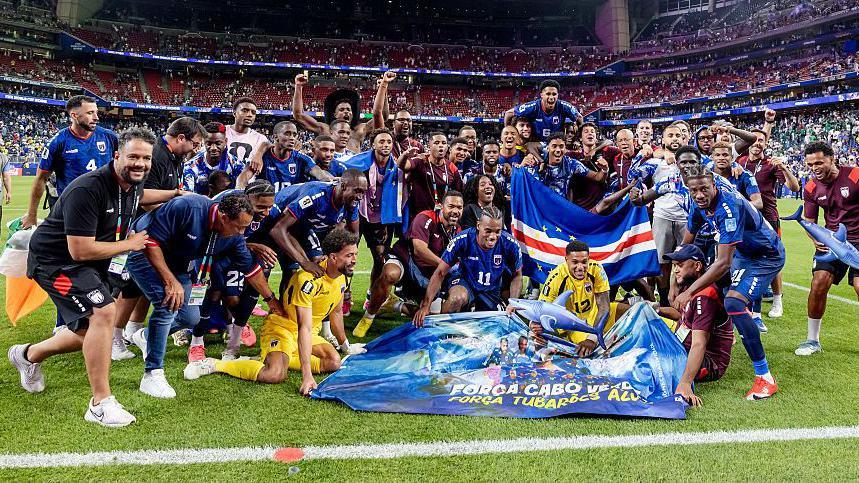
This economic disruption carries significant implications for African football and Ghanaian audiences. The collapse of host-nation support has inadvertently amplified the spotlight on African teams continuing to advance in the competition. Ghana and other African nations have become central to sustaining global tournament momentum and viewer engagement. This shift illustrates a fundamental truth: the World Cup's appeal increasingly transcends geographic host advantages and nationalist narratives. African football supporters are now positioned as essential drivers of the tournament's commercial viability and cultural relevance.
For Ghana, this development underscores African football's growing influence in shaping global sports narratives. As North American commercial interests have been undermined by early host-nation exits, the continent's teams and supporters have become the tournament's emotional and commercial lifeline. This represents a pivotal moment for how African football is valued within the global sports economy.
Consumer Resilience Amid Economic Disruption
Remarkably, broader consumption patterns surrounding the tournament have remained resilient. The Beer Institute reports that overall beer sales at restaurants and bars have surged 6.4 per cent over the past month, with host cities recording a 14 per cent increase compared to the previous year. Massachusetts led state-level growth at 23 per cent, followed by the New York metropolitan area at 19 per cent and California at 14 per cent. According to Andrew Heritage, chief economist at the Beer Institute, this data reveals that tournament enthusiasm extends beyond regional loyalty. "The US team's run helped build excitement, but the data show this tournament is bigger than any one team," he stated.
The 2026 World Cup exemplifies how major sporting events create profound economic volatility. Whilst the absence of home teams presents immediate challenges for vendors and secondary markets, football's enduring global appeal ensures sustained engagement across the remainder of the competition.
Source: MyJoyOnline



Comments (0)
Be the first to comment.