Sadio Mané Retires from International Football, Eyes Future Role in Senegal Football Development
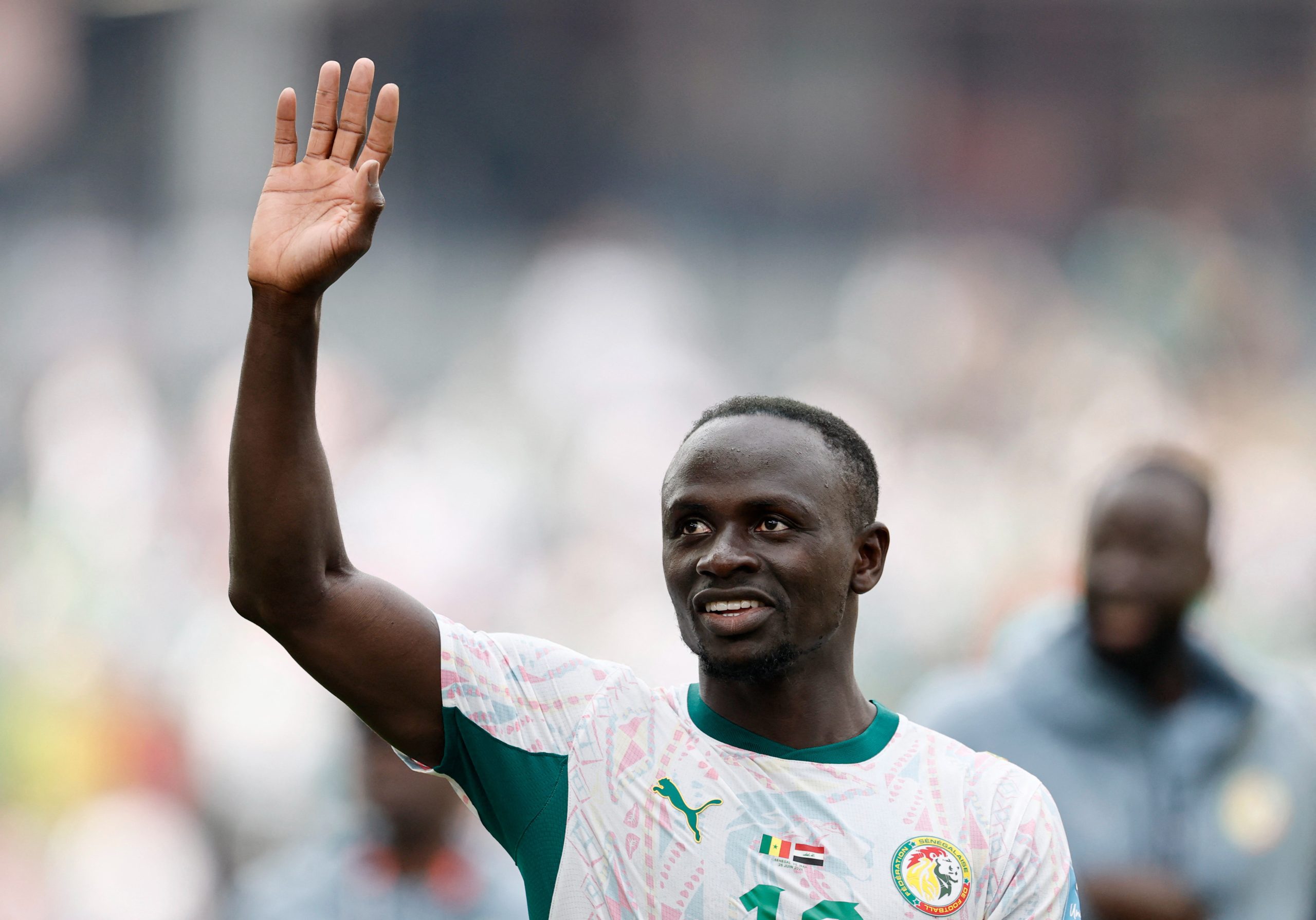
One of African football's greatest players has closed the book on his international career. Sadio Mané, the 34-year-old Senegalese forward who became a household name across the continent during his time with Liverpool and Bayern Munich, has announced his retirement from national team football, concluding a remarkable journey that spanned over a decade.
In an emotional statement, Mané reflected on his commitment to the Lions of Teranga, emphasising the sacrifices he made throughout his career. "You know that I sacrificed everything for this nation. I gave my all and always fought fiercely for our country. Your constant support has been the driving force behind my success," he said. Rather than fading from Senegalese football entirely, Mané signalled his intention to remain involved in developing the sport he has served so prominently.
A Remarkable Record That Defines a Generation
Mané's statistics tell the story of a player who defined Senegalese football for over a decade. Since making his senior debut in 2012, he earned 124 international caps and scored 52 goals, records that cement his status as Senegal's all-time leading goalscorer. He ranks second in appearances, behind only midfielder Idrissa Gana Gueye, underlining his consistency and importance to the national side across multiple tournament cycles.
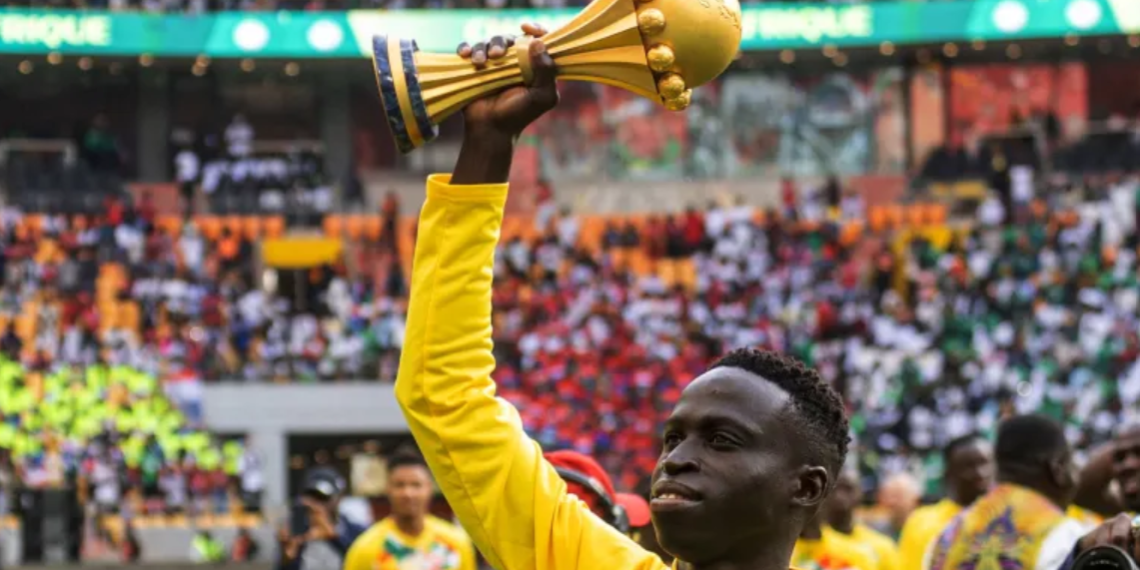
His greatest moment came in 2025 when Mané inspired Senegal to victory in the Africa Cup of Nations final, delivering the decisive penalty in a shootout triumph over Egypt. That tournament also saw him named the competition's Best Player, a recognition of his influence on the pitch and leadership qualities that transcended mere statistics. Beyond continental success, Mané played a pivotal role in qualifying Senegal for three consecutive FIFA World Cups in 2018, 2022 and 2026, establishing himself as the flagship player of his nation's golden generation.
Why This Matters for Ghana and African Football
Mané's retirement carries significance beyond Senegal's borders. Across West Africa and the broader African football landscape, Mané has been among the most influential players in recent years. For Ghana, the retirement of such a dominant regional figure represents a generational shift in African football. The Black Stars have competed against Senegal in crucial AFCON and World Cup qualifiers, with Mané often being the decisive factor in those encounters.
His decision to remain involved in football administration and coaching also sets an important precedent. As African players transition from playing careers, the continent has struggled to retain top talent in meaningful administrative and technical roles. Mané's stated ambition to serve as a coach, technical staff member or administrator could provide a blueprint for how elite African players leverage their experience to strengthen continental football structures. This commitment could influence how future generations of players—including potential Ghanaian talents—approach their post-playing contributions to the sport.
Legacy Beyond the Pitch
Beyond his footballing achievements, Mané has been recognised for his humanitarian work and community development efforts. He invested significantly in schools, hospitals and community projects in his hometown of Bambali, demonstrating that his commitment to Senegal extended far beyond match days. This holistic contribution to society has earned him widespread admiration across the continent, positioning him as more than an athlete but as a role model for social responsibility.
With Mané stepping away from international competition, Senegal faces the challenge of rebuilding around new leadership, whilst the broader African football community loses one of its most recognisable and respected figures. His influence, however, is likely to endure through the next generation of players and through whatever role he assumes in Senegal's football development structure.
Source: The Ghana Report
-1200x785.webp)


Comments (0)
Be the first to comment.