Winky D's 'Tête À Tête: Hello Africa' Sparks Pan-African Dialogue On Leadership And Identity
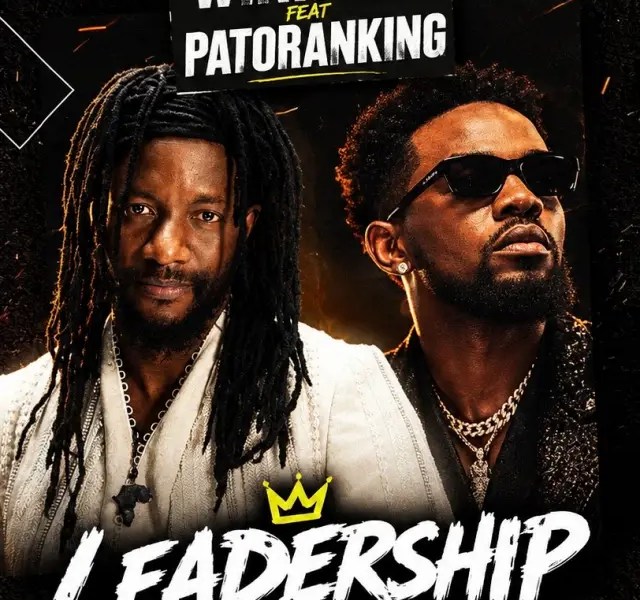
Zimbabwean music icon Winky D has unveiled a significant new project that positions music as a vehicle for serious continental conversation. Tête À Tête: Hello Africa — a title borrowed from the French phrase meaning intimate dialogue — represents the artist's most ambitious attempt yet to use his platform to examine pressing questions about African identity, governance and collective responsibility.
The album marks a deliberate shift towards what Winky D describes as a monologue by Africa itself, speaking directly to its people and the younger generations tasked with steering the continent forward. Rather than offering easy answers, the project deliberately poses uncomfortable questions: How do communities respond to their challenges whilst maintaining hope? What responsibilities do leaders bear towards their people? What role must individuals play in shaping their societies?
A Conversation Across Borders
What distinguishes this project is its explicitly pan-African scope. Winky D has moved beyond addressing purely Zimbabwean or Southern African concerns to create work that resonates across the entire continent. This ambition is evident in his collaboration with Nigerian reggae-dancehall artist Patoranking on the track Leadership, which examines the weight of influence and accountability that comes with positions of power.
The accompanying music video, filmed in Lagos and directed by Shawn Ray, reinforces this continental vision, bringing together creative talent across national boundaries to amplify a shared message. The choice of Nigeria — Africa's most populous nation and a major cultural hub — signals Winky D's intention to foster dialogue beyond Zimbabwe's borders.
Why It Matters For Ghana
Ghanaians should take note of this project for several reasons. First, the themes Winky D tackles — leadership accountability, national identity and intergenerational responsibility — are deeply relevant to West African audiences grappling with similar governance challenges and social questions. Second, the collaborative approach exemplified by the Patoranking feature demonstrates how African artists can leverage their platforms to build regional cultural solidarity and address shared continental concerns.
The album's emphasis on hope amid difficulty also carries particular resonance for Ghanaians navigating economic pressures and political debates. Winky D's insistence that music can create space for reflection rather than merely entertaining speaks to a growing movement across Africa of artists using their work as a catalyst for serious public conversation. This approach contrasts with purely commercial music-making and positions artists as facilitators of social dialogue.
Furthermore, the project's questioning of how people engage with their leaders and communities directly relates to Ghana's own ongoing debates about accountability, transparency and civic participation.
The Broader Vision
Throughout his career, Winky D has consistently explored social realities and the choices that define communities through his music. Tête À Tête: Hello Africa brings these threads together into a cohesive work that invites listeners to become active participants in a conversation rather than passive consumers of entertainment.
The album challenges audiences to examine not just external realities but their own complicity and agency within their societies. It suggests that hope is not naïve optimism but rather a conscious choice made in full awareness of surrounding difficulties — a message particularly resonant across Africa where cynicism about the possibility of change has become commonplace.
By positioning this work as a conversation that extends beyond the final song, Winky D acknowledges that albums are merely starting points for deeper engagement. The real work happens when listeners carry these questions into their communities, their workplaces and their families.
For the broader African audience, including Ghanaians, Tête À Tête: Hello Africa represents a significant contribution to the growing body of African music that refuses to shy away from difficult truths whilst maintaining faith in collective possibility.
Source: Ameyaw Debrah

Comments (0)
Be the first to comment.