
Why Ghanaians must dig deeper than headlines: The case for context in our news diet
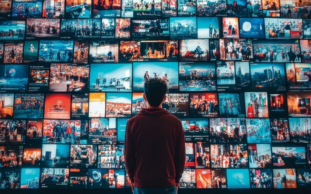

Every morning, Ghanaians wake to a torrent of news: a policy announcement from Accra, a conflict rippling across West Africa, economic data showing inflation, or a viral story spreading across WhatsApp. We know something happened. But do we truly understand why—and what it means for our lives?
This disconnect between information and understanding has become one of the defining challenges of our time, particularly in Ghana, where social media adoption is high and misinformation spreads rapidly alongside legitimate reporting. The paradox is stark: we have unprecedented access to news and information, yet many Ghanaians consume stories in fragmented chunks—a headline, a short video clip, a heated Facebook comment—without grasping the deeper forces at work.
The Ghanaian Information Challenge
Consider a familiar scenario. The cedi weakens against the dollar; headlines scream about currency crisis. A Ghanaian trader or salaried worker feels the pinch immediately as import costs rise and purchasing power shrinks. But behind that headline lies a complex web of factors: global energy price shocks, disrupted supply chains, international investment flows, decisions by the central bank, and external pressures that most citizens never see. Without this context, people experience frustration and uncertainty rather than understanding.
Similarly, when news breaks about migration—Ghanaians seeking opportunities abroad or refugees arriving in our communities—public debate often fixates on single images or incidents. The fuller context, however, reveals stories shaped by regional conflicts, economic desperation, climate pressures, and the hope for better futures. Without knowing these drivers, communities cannot engage thoughtfully with policy or support those affected.
The speed of modern communication has intensified this problem. Social media platforms reward engagement over accuracy. A misleading claim about government policy or a powerful image without context can shape public opinion before fact-checkers or careful journalists catch up. In Ghana's densely networked urban centres and increasingly connected rural areas, misinformation travels at lightning speed.
Why It Matters for Ghana
Ghana's democratic health depends on citizens who can think critically about the information they receive. From elections to economic policy to regional security, Ghanaians make consequential choices based on what they know and understand. Yet if that understanding is built on fragmented headlines and viral half-truths rather than context and analysis, those choices are less likely to serve the nation's long-term interests.
This is especially critical as artificial intelligence and deepfake technology advance. Soon, convincing false videos and manipulated images could flood Ghanaian social media, making the ability to question and verify information even more vital. Education and media literacy are no longer optional luxuries—they are essential skills for citizenship.
Breaking news will always matter; it alerts us to events demanding attention. But every headline is merely the beginning of a larger story. The harder questions follow: Why did this happen? Who is truly affected? What are the root causes? What are the likely consequences? These are the questions that separate informed citizens from those merely reacting to the news cycle.
Moving Beyond Reactions
In a nation grappling with complex challenges—from energy security to healthcare access to regional stability—Ghanaians cannot afford to remain passive consumers of bite-sized information. Instead, critical thinking must become a deliberate practice: questioning sources, seeking diverse perspectives, demanding context, and connecting individual stories to broader patterns.
Media outlets, educators, and community leaders all have a role to play. Journalists must go beyond reporting what happened to explaining why it matters. Schools must teach students not just to collect facts but to analyse them. Citizens must resist the comfort of certainty that incomplete information offers and embrace the harder work of genuine understanding.
Information tells us what happened. Context tells us why it matters. Understanding shapes the choices we make as individuals and as a nation. In an age of information abundance, context is not a luxury—it is the foundation for wiser decisions and a stronger democracy.
Source: The Ghana Report




Comments (0)
Be the first to comment.