
University of Ghana don slams government over CSPSS crisis, accuses leadership of lacking vision


A senior academic at the University of Ghana has launched a scathing critique of how the government is managing the ongoing troubles with the Computerised School Placement Selection System (CSPSS), describing the response as a fundamental failure of leadership and innovation.
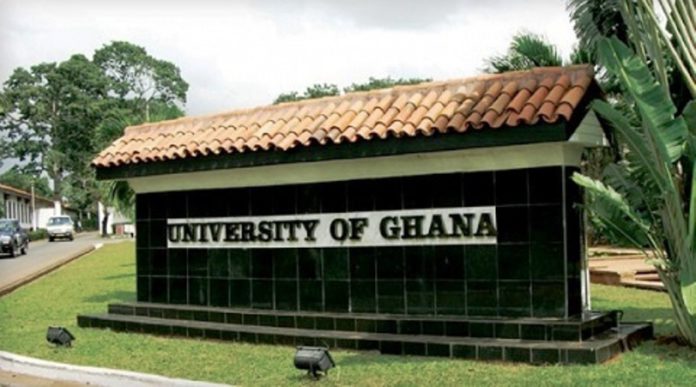
Dr. Joshua Jebuntie Zaato, who holds positions as Senior Fellow at Africa Policy Lens and Senior Lecturer at the University of Ghana, has characterised the government's handling of the crisis as representing a "poverty of ideas." His comments reflect growing frustration among policy analysts and education stakeholders over the persistence of problems affecting thousands of Ghanaian students seeking admission to secondary schools.
Background to the CSPSS crisis
The CSPSS has been central to Ghana's secondary school admission process, designed to streamline placement of junior secondary school graduates into senior secondary institutions nationwide. However, the system has faced recurring problems including technical glitches, delayed results, mismatches between student preferences and actual placements, and administrative bottlenecks. These issues have affected the educational pathways of hundreds of thousands of students over successive years, causing frustration for families and schools alike.
The crisis typically peaks during the annual admission cycle, when system failures mean students miss critical registration deadlines or receive placements that do not align with their academic qualifications or chosen preferences.
Why it matters for Ghana
The CSPSS dysfunction strikes at the heart of Ghana's education system at a critical juncture—the transition from junior to senior secondary education. When the placement system fails, it creates cascading consequences: students lose months of valuable instructional time, schools struggle with administrative chaos, parents lose confidence in state institutions, and the broader goal of equitable educational access is undermined.
For a nation investing heavily in educational infrastructure and human capital development, a malfunctioning admission system undermines those investments. It also disproportionately affects disadvantaged students in rural areas who lack the resources to navigate manual workarounds or appeal processes that better-connected urban families might pursue.
Dr. Zaato's invocation of a "poverty of ideas" suggests that the real problem is not technical inability but rather a lack of creative, forward-thinking solutions from policymakers. His critique implies that successive administrations have failed to implement fundamental reforms—whether technological upgrades, process redesign, or adequate resourcing—despite years of evidence that incremental fixes are insufficient.
The call for better governance
The academic's public intervention underscores a wider concern among Ghana's policy community that the government must move beyond crisis-management mode and implement durable solutions. This requires sustained investment in the system's infrastructure, rigorous testing before deployment each year, and genuine consultation with schools, parents, and students about their needs and experiences.
For Ghanaian families anxiously awaiting placement results for their children, such expert criticism signals that the problems are widely recognised and that pressure is building for genuine reform rather than superficial adjustments.
Source: 3News




Comments (0)
Be the first to comment.