Ukraine reports deadliest Kyiv strike this year as Zelensky demands more air defence systems
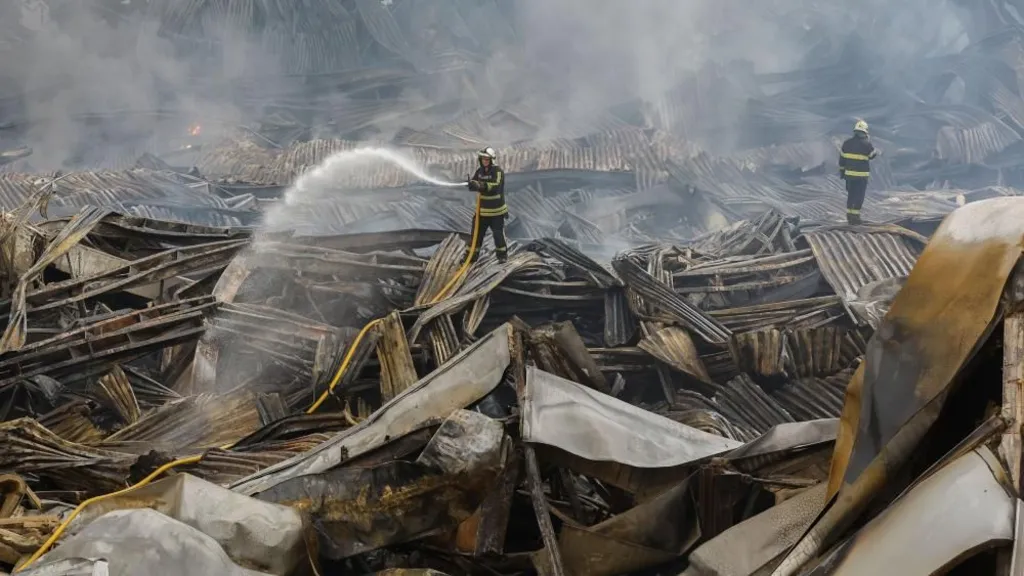
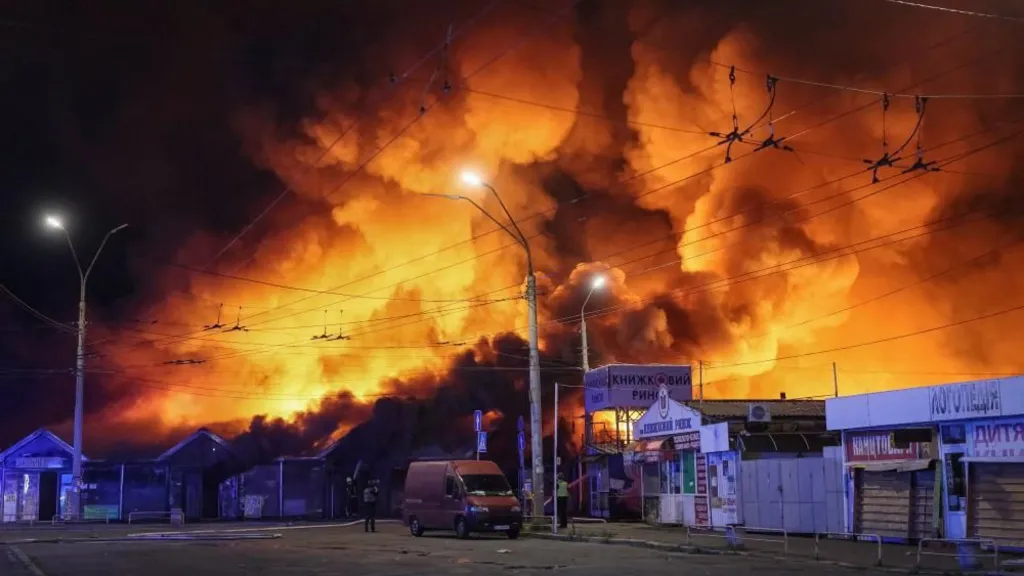
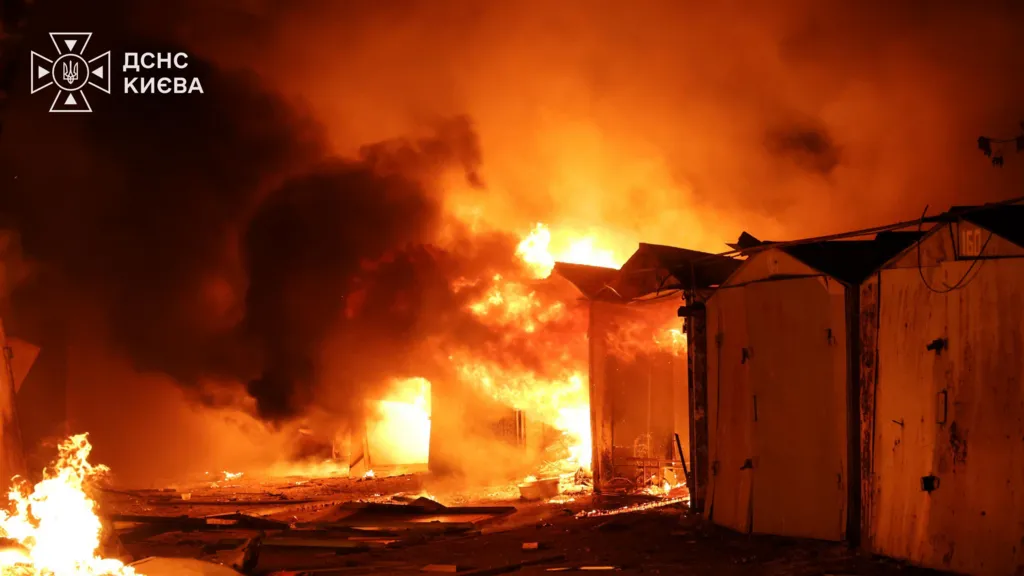
Ukraine's capital Kyiv and surrounding regions have been hit by one of the deadliest Russian strikes of the year, with at least 17 people killed and 45 injured after waves of ballistic missiles and drones struck residential areas, a railway station and warehouses overnight Wednesday.
The attack has reignited urgent calls from President Volodymyr Zelensky for Western allies, particularly the United States, to significantly increase supplies of Patriot missile interceptors. Zelensky stated that additional interceptors "could have saved lives" in the strike, whilst warning that delays in receiving anti-ballistic defence systems are causing "horrific casualties and destruction".
According to Ukraine's emergency services, one person died in Kyiv proper with 16 injured, whilst the wider region around the capital recorded at least 16 deaths and 29 injuries. Kyiv Mayor Vitali Klitschko expressed concern that people could still be trapped under rubble. Rescue teams were battling fires across five locations covering approximately 230,000 square metres on Wednesday.
Scale of the overnight assault
Ukraine's air force reported that Russia launched 24 ballistic missiles and four anti-ship missiles during the attack. Additionally, 115 drones were deployed, though air defence systems managed to intercept 98 of them. The fact that no ballistic missiles were reported intercepted appears particularly significant, highlighting what Zelensky describes as a critical gap in Ukraine's air defence capability.
Russia's Defence Ministry claimed the strikes targeted logistics hubs, supply centres and warehouses involved in weapons distribution and unmanned aerial vehicle production. The ministry also stated it hit three cargo vessels near the Black Sea port of Odesa allegedly transporting military equipment.
The assault forms part of an intensified campaign against Kyiv in recent weeks, with Russian forces continuing widespread attacks across other regions including Zaporizhzhia, Donetsk and Kharkiv.
Why it matters for Ghana
This escalation in the Russia-Ukraine conflict carries implications for African nations and Ghanaians specifically. The war has disrupted global grain exports and energy supplies, contributing to inflation that has affected developing economies including Ghana. Prolonged conflict increases humanitarian displacement risks and diverts international development funding.
Additionally, African nations including Ghana remain non-aligned on UN votes regarding the conflict, with many abstaining or voting against Western-backed resolutions. The ongoing war tests continental unity through ECOWAS and the African Union, particularly regarding international humanitarian law and civilian protection standards that set precedents for broader global governance.
Zelensky's emphasis on receiving interceptors also underscores broader questions about arms supply chains and military aid distribution that affect African countries seeking defensive capabilities.
Widening civilian toll and mutual accusations
Beyond the Kyiv strike, both Russia and Ukraine continue reporting attacks on civilian infrastructure. A drone struck a Wildberries warehouse in Russia's Tula region, causing fires with one person injured. Ukraine has repeatedly targeted the logistics giant's facilities, viewing them as supporting Russian military operations.
Earlier this week, five people were killed and 10 wounded in the Moscow region during similar strikes, whilst a drone attack on a beach in Krasnodar left seven dead and 58 wounded according to Russian officials.
Ukraine's government has also voiced outrage over a video circulating from Kherson showing a man pursued by a drone, calling the incident a deliberate "hunt" and "safari" targeting civilians. Both nations deny deliberately targeting non-combatants, though evidence from independent monitors continues documenting civilian casualties on both sides.
Meanwhile, the European Commission announced it had received €1.4 billion (approximately £1.2 billion) from immobilised Russian assets, funds intended to support Ukraine's war effort.
Source: MyJoyOnline
Comments (0)
Be the first to comment.