
UCC, Universities Demand GTEC Stay in Its Lane on Academic Freedom


Ghana's university sector is pushing back against what it sees as regulatory overreach, with the University of Cape Coast and national academic bodies demanding that the Ghana Tertiary Education Commission (GTEC) stick to its core functions and stop interfering in institutional governance.
The complaint emerged at the UTAG Experts' Forum 2026, where senior academics and university leaders raised serious concerns about GTEC's expanding role beyond regulation into day-to-day university operations. The forum's theme—"Rethinking Autonomy, Power and Oversight: GTEC's Regulatory Authority and the Politics of Academic Freedom in Ghanaian Universities"—underscores the tension between government oversight and institutional independence that has become a defining issue in Ghana's higher education sector.
The Core Complaint: GTEC is Overstepping Its Authority
Professor Philip Ebow Bondzi-Simpson, a Senior Member of UCC's Faculty of Law, crystallised the argument: whilst GTEC is legally mandated as a regulator, advisor, coordinator and accreditor, the Commission has failed to execute these roles effectively and instead strayed into matters that belong to universities themselves.
A particularly contentious issue is GTEC's presence on university councils. Prof Bondzi-Simpson argued this arrangement is legally indefensible—a regulator cannot simultaneously sit in judgment over institutions whilst also participating in their governance decisions. The analogy he offered was stark: a referee cannot pick the team, coach and players, then referee the match.
The Commission's interventions, according to university leaders, now extend to staff appointments, organisational structures, retirement arrangements and academic programme development. Dr Cynthia Sena Kpeglo-Freiku, Executive Secretary of Vice Chancellors Ghana, detailed the practical fallout: recruitment delays, teaching gaps, ballooning administrative costs and disrupted academic delivery.
Why This Matters for Ghana's Universities and Students
At stake is nothing less than academic freedom—a cornerstone of university excellence and Ghana's standing in global higher education. When regulators blur the line between oversight and micromanagement, institutions lose the autonomy necessary to innovate, make swift decisions and respond to student needs.
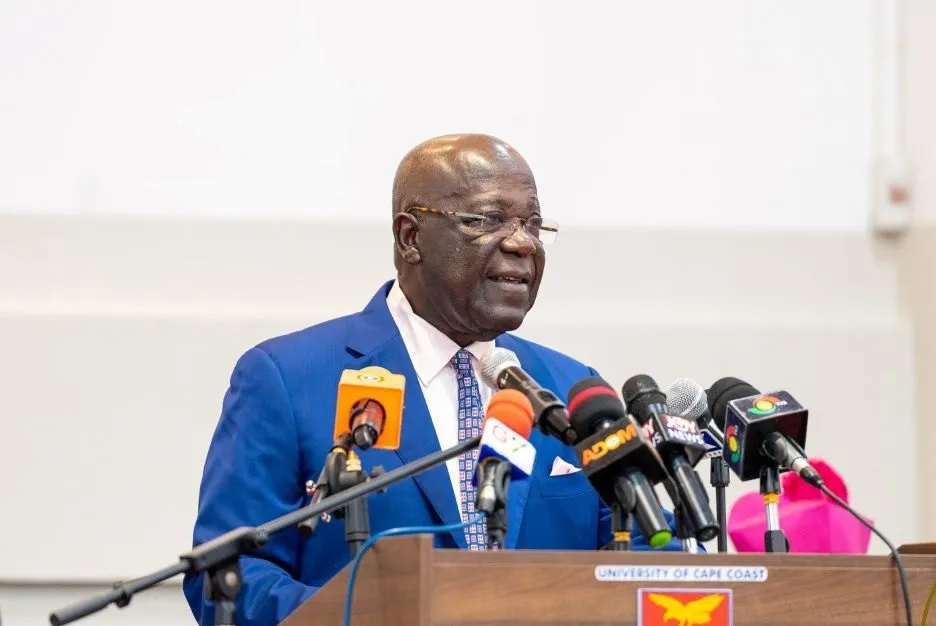
UCC Vice Chancellor Prof Denis Worlanyo Aheto struck a balanced note, acknowledging that effective regulation is essential for accountability and academic standards. However, he argued, this must happen without GTEC unnecessarily second-guessing legitimate academic decisions made within universities. The problem, in essence, is that GTEC's legal mandates are either overlapping or poorly defined, leaving universities uncertain about what decisions require approval and what falls within their purview.
For Ghana's economy and reputation, this gridlock matters. Universities struggling under regulatory micromanagement cannot compete internationally for talent and funding, and Ghanaian graduates may find their qualifications questioned if institutions lack the autonomy to maintain rigorous standards independently.
The Path Forward: Collaboration, Not Confrontation
Rather than call for GTEC's abolition, university leaders are advocating a reset. Key demands include:
- A clear delineation of GTEC's regulatory powers, with a legal review of overlapping mandates
- Removal of GTEC representatives from university councils to eliminate conflicts of interest
- Meaningful consultation with institutions before regulatory directives are issued
- Transparent procedures and a formal mechanism for dispute resolution
- Emphasis on GTEC's advisory, coordination and accreditation roles rather than its "policeman" posture
Dr Kpeglo-Freiku summed up the consensus: "Strong universities require effective regulation. Effective regulation requires institutional trust, and institutional trust requires accountability on both sides."
The challenge now is whether Ghana's government and GTEC will heed this call. Higher education policy is often overshadowed by other priorities, but the decisions made here will shape whether Ghanaian universities thrive as engines of innovation and social mobility, or languish under bureaucratic constraint.
Source: MyJoyOnline



Comments (0)
Be the first to comment.