
Traders and Artisans Clash at Suame Magazine as Nigeria Union Calls for Government Action


Tension has gripped Suame Magazine, one of West Africa's largest automotive repair and trading hubs located in Kumasi, after a dispute over trading spaces descended into physical confrontations. The Nigeria Union of Traders has since called on the government to step in and restore order, as the situation threatens the livelihoods of thousands of workers and traders operating in the area.
What happened at Suame Magazine?
The trouble began when authorities moved to close down certain trading spaces within the sprawling industrial enclave. What started as an enforcement exercise quickly turned violent after individuals were allegedly brought to the scene specifically to resist the closure operation. These individuals clashed with artisans already working in the area, causing the situation to deteriorate rapidly.
The Nigeria Union of Traders, which represents a significant number of Nigerian nationals doing business within the magazine, has condemned the violence and is urging both Ghanaian authorities and relevant government bodies to intervene before the conflict escalates further. The union's appeal underscores the multi-national character of Suame Magazine, which attracts traders and mechanics from across the West African sub-region.
Why it matters for Ghana
Suame Magazine is not simply a local market — it is a nationally and regionally significant economic hub. Estimates suggest that the area employs hundreds of thousands of people, including mechanics, spare parts dealers, fabricators and traders, making it one of the most important informal industrial clusters in Ghana and indeed in all of Africa.
Disputes over trading spaces in such a densely occupied area have the potential to spiral into broader tensions, particularly when they involve foreign nationals. Ghana has historically maintained relatively cordial relations with its ECOWAS neighbours, and incidents involving foreign trader associations can carry diplomatic undertones if not managed carefully.
The involvement of the Nigeria Union of Traders also highlights the significant presence of Nigerian business people within Ghana's commercial landscape. Under ECOWAS protocols, citizens of member states are entitled to move freely and engage in trade within the bloc, though the specifics of trading rights in designated spaces can often be a source of friction with local traders and municipal authorities.
Calls for calm and resolution
The union's call for government intervention signals that internal resolution efforts may have already stalled or proven insufficient. Authorities in the Ashanti Region, as well as national government representatives, are being urged to engage all stakeholders — including local artisan associations, the union, and municipal authorities — to find a lasting arrangement over the contested trading spaces.
Observers note that heavy-handed enforcement without adequate dialogue has historically been a trigger for unrest in markets and industrial areas across Ghana. A negotiated settlement that respects the rights of both local artisans and legally operating foreign traders would be the most sustainable path forward.
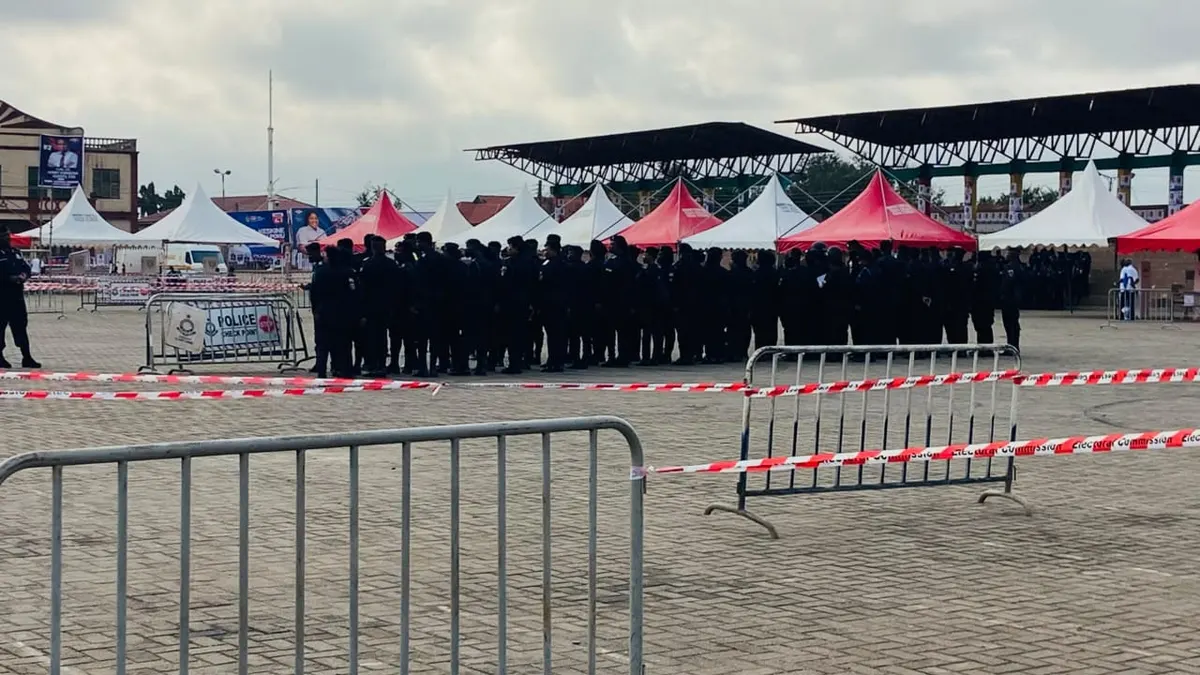
As of the time of this report, security personnel were said to be present at the scene to prevent further clashes, but the underlying dispute over trading spaces remained unresolved. GH Today will continue to follow developments at Suame Magazine as more details emerge.
Source: 3News




Comments (0)
Be the first to comment.