Ten held as NACOC cracks down on drug sales at KTU SRC Week celebrations

The Narcotics Control Commission (NACOC) has arrested ten people following an intelligence-led operation at Koforidua Technical University during SRC Week celebrations, uncovering what investigators believe was an organised scheme to sell cannabis and cannabis-infused food and drink products to students.
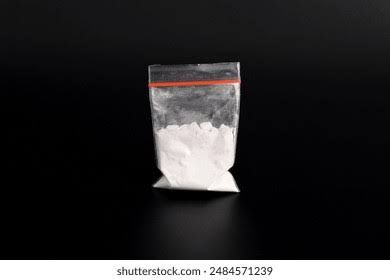
The arrests, made on the night of Friday, 31 July, targeted nine men and one woman suspected of profiting from the sale of narcotics at the New Juaben South campus. The operation resulted in the seizure of multiple items, including wrapped cannabis, cups of "abele" ice cream, bottles of pineapple juice, sobolo, fresh palm wine, and various other beverages suspected of containing the drug.
Preliminary field tests conducted by NACOC officers on the seized items returned positive results for cannabis, lending credence to suspicions that the products were being actively distributed among attendees of the week-long SRC celebrations. The operation demonstrates how campus events, whilst intended as spaces for student engagement and fun, can attract criminal elements seeking to exploit large gatherings.
The scale of the operation
The variety and volume of items recovered suggest this was not a small-time operation but rather a coordinated effort to infuse everyday consumables with cannabis, making them difficult to identify and easier to distribute among unsuspecting consumers. By disguising the drug in familiar beverages and snacks, the alleged peddlers appear to have been targeting students who might not otherwise purchase drugs directly.
The arrests raise questions about how such an operation managed to operate during a high-profile campus event. SRC Week celebrations typically draw large crowds and media attention, suggesting either lapses in campus security or the sophistication of those running the operation in evading detection until NACOC stepped in.
The suspects are currently assisting investigators as NACOC works to establish the full scope of the alleged drug-dealing network and identify any additional individuals involved in the supply chain or distribution.
Why it matters for Ghana
This bust underscores growing concerns about drug availability on university campuses across Ghana. Educational institutions are increasingly becoming targets for drug traffickers, who exploit the concentration of young people, the relative anonymity of large student populations, and the festive atmosphere of campus events to move product.
For parents, students, and university management, the KTU operation is a stark reminder that cannabis and other narcotics are accessible on campus—sometimes disguised in everyday food and drink. The normalisation and creative distribution of drugs at university events could lead to increased consumption among youth and long-term addiction issues.
NACOC's intervention demonstrates the importance of intelligence-gathering and proactive law enforcement in combating the drug trade. However, the arrests also highlight the need for stronger preventative measures at tertiary institutions, including improved campus security protocols, student awareness campaigns about drug-infused products, and collaboration between university management and law enforcement agencies.
The Commission has reiterated its commitment to protecting educational spaces from drug-related crime and appealed to students and members of the public to report suspicious behaviour to authorities. As universities continue to grapple with substance abuse issues, such coordinated operations may become increasingly necessary to maintain safe campus environments.
Source: The Ghana Report
-1200x675.webp)


Comments (0)
Be the first to comment.