
Tano North MP warns Government relying too heavily on debt to finance Free SHS


A member of Parliament from Tano North has raised serious concerns about Ghana's approach to financing the Free Senior High School programme, warning that depending on loans to fund the policy is unsustainable and undermines long-term educational planning.
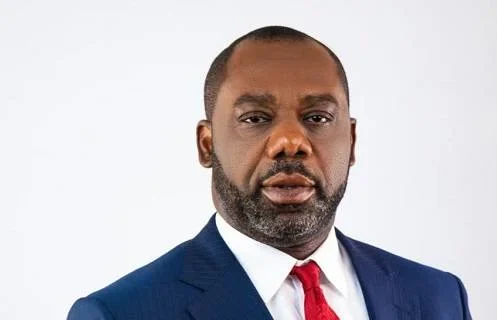
Speaking during parliamentary proceedings on Tuesday, Dr Boako emphasised that the government must demonstrate genuine commitment to education by dedicating sufficient locally generated revenue to keep the Free SHS initiative running, rather than relying on external borrowing.
The Free SHS Challenge
Ghana's Free Senior High School policy, introduced in 2017, has expanded access to secondary education significantly. However, the programme remains one of the government's most expensive policy commitments, requiring billions of cedis annually to cover tuition, accommodation, meals and other operational costs across hundreds of public schools nationwide.
The challenge of sustaining this expenditure has become increasingly complex amid Ghana's broader fiscal pressures, including debt servicing obligations and competing demands for public funds across health, infrastructure and other sectors.
Why it matters for Ghana
The debate over Free SHS financing reflects a fundamental tension in Ghana's development priorities. While the programme has genuinely increased school enrolment and kept thousands of students in education who might otherwise have dropped out due to costs, the funding model raises critical questions about fiscal sustainability.
If education spending continues to depend primarily on loans rather than sustainable domestic resources, Ghana risks three outcomes: First, the programme itself could become vulnerable to future budget cuts if debt levels become unsustainable. Second, borrowed funds used for recurrent spending like Free SHS mean fewer resources available for infrastructure investment or other long-term development. Third, it shifts the burden of today's education costs to future generations who must repay the debt.
Dr Boako's intervention highlights growing parliamentary concern about fiscal discipline. The argument that government should prioritise increased domestic revenue collection—through improved tax administration, broadening the tax base, or reducing leakages—resonates with many economists and development partners who believe Ghana has untapped revenue potential.
The Bigger Picture
Ghana's debt-to-GDP ratio has been a persistent concern for international creditors and domestic policymakers alike. Any major government programme funded through borrowing rather than genuine domestic resources contributes to this burden. For Free SHS specifically, this means the long-term cost of educating one generation of students could extend far beyond their school years through debt servicing payments.
The MP's call for stronger domestic revenue allocation also touches on governance and political will. Increasing locally generated funds often requires unpopular decisions—stronger tax enforcement, removal of exemptions, or improved public sector efficiency. Whether government can muster the political will to fund Free SHS sustainably through these means, rather than the simpler short-term option of borrowing, will be crucial for the policy's future.
For Ghanaian families benefiting from Free SHS, and for the broader education sector, the outcome of this debate will shape whether the programme becomes a permanent feature of Ghana's education system or a policy vulnerable to fiscal crises.
Source: 3News



Comments (0)
Be the first to comment.