
Sudan's Chemical Weapons Crisis Escalates as US Imposes New Sanctions; What It Means for Regional Stability
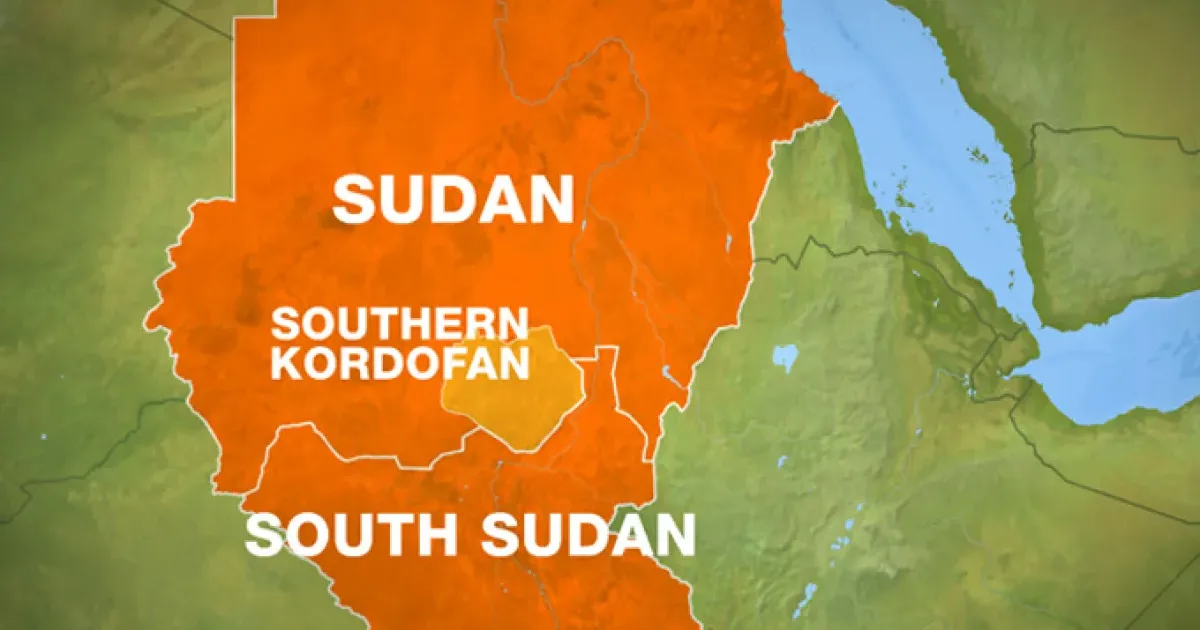

Sudan faces mounting international pressure over allegations of chemical weapons use against civilians in North Kordofan State, with the United States imposing new sanctions in July 2026 after concluding that the Sudanese army deployed banned munitions during 2024. The escalating crisis highlights the deteriorating humanitarian situation in the conflict-torn nation and threatens broader regional stability that affects West African nations including Ghana through ECOWAS diplomatic channels.
The Allegations and Evidence
Local residents in the Umm Qarfah area of North Kordofan documented video footage showing thick yellow smoke rising from sites struck by Antonov aircraft operated by the Sudanese army. Eyewitnesses expressed suspicions that the projectiles contained chemical weapons, prompting urgent calls for international investigation. Taha Abu Bakr, a leader of the Partners for Change and Future Alliance, confirmed recent documented cases occurred in the region, stating that "the army is using internationally banned chemical weapons against civilians."
Legal experts and commentators have emphasised that whilst the visual evidence alone may not constitute definitive proof, the allegations demand serious independent investigation under the Chemical Weapons Convention. Writer Osama Ahmed Al-Mustafa stressed that "mere suspicion of the use of internationally banned means of warfare is an issue that cannot be ignored or downplayed," noting that international law binds all signatories to investigate such claims rigorously. He warned that an authority escaping accountability may win tactical media battles but ultimately loses "the battle of history," as international justice does not recognise statute of limitations for war crimes.
US Response and International Accountability
The United States determined that Sudanese authorities violated obligations under the Chemical and Biological Weapons Control and Weapons Convention, prompting new sanctions effective July 20, 2026. Washington opposed the provision of loans and financial assistance to the Port Sudan government through international financial institutions, significantly constraining Sudan's access to external funding and technical support.
The US State Department rejected claims that an internal committee formed by army commander Abdel Fattah al-Burhan could substitute for independent verification mechanisms of the Organisation for the Prohibition of Chemical Weapons. American officials demanded that Port Sudan cooperate fully with international inspectors and take concrete steps to return to treaty compliance. This position underscores the international community's determination to enforce chemical weapons prohibitions established after World War II.
Why It Matters for Ghana and the Region
Sudan's humanitarian crisis directly impacts West African stability through multiple channels. Refugee flows, regional displacement, and destabilisation of neighbouring states create spillover effects that ECOWAS member states must address collectively. Ghana, as a continental leader in peacekeeping and conflict resolution, monitors such developments closely through African Union structures.
Chemical weapons use represents a fundamental breach of international law that undermines the rules-based order upon which regional security depends. If confirmed, such violations set dangerous precedents affecting broader African stability. Ghana's diplomatic community engages with humanitarian crises across the continent, and Sudan's situation reinforces the importance of strengthening African institutions' capacity to investigate and prevent atrocities. The international sanctions regime also demonstrates how economic pressure can complement diplomatic efforts—a relevant consideration for West African policymakers navigating similar complex conflicts.
Regional observers emphasise that escalation in Sudan could trigger wider instability affecting migration patterns, refugee hosting capacity, and security challenges that ripple across the Sahel and into West Africa.
Source: MyJoyOnline



Comments (0)
Be the first to comment.