Skills Over Certificates: Ghana's Path to Breaking Youth Unemployment, as Mechanics Push for Tax Relief
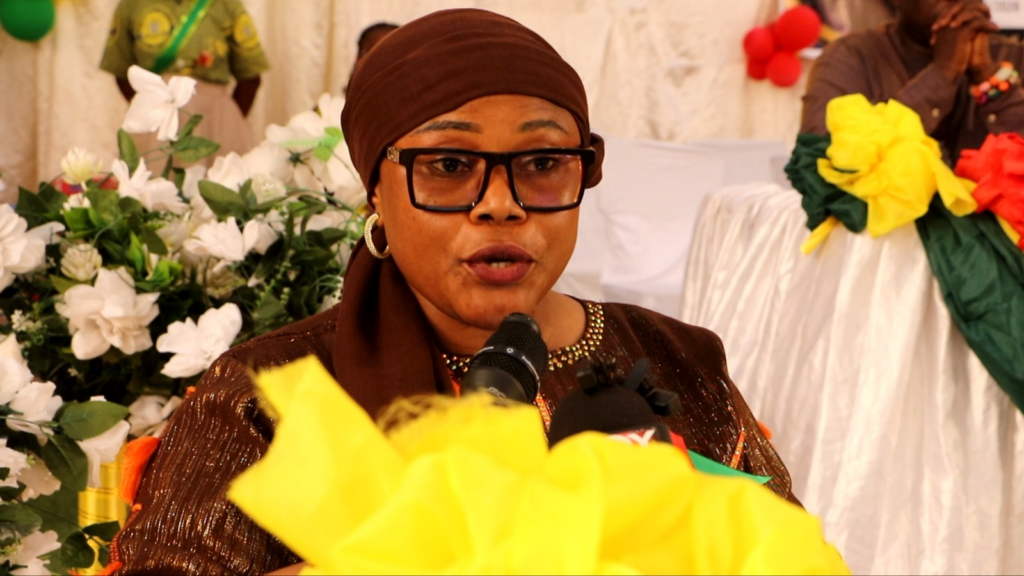
Ghana's skilled trades sector has received a powerful call to action as Dr Hilla Limann Technical University Vice-Chancellor Prof. Eng. Hamidatu Saaka Darimani challenged vocational graduates to move beyond formal qualifications and demonstrate practical expertise that employers genuinely need. Speaking at the Wa Technical Institute's maiden graduation ceremony for informal-sector artisans, Prof. Darimani articulated a vision where hands-on competence, creative problem-solving, and professional integrity—not certificates alone—become the foundation for sustainable employment.
The graduation ceremony, held in the Upper West Region, represented a significant milestone for technical education in Ghana. It formalised the transition of dozens of young men and women from traditional apprenticeships into structured, competency-based programmes under the Council for Technical and Vocational Education and Training (CTVET) framework. Participants earned National Proficiency 1 and National Certificate 1 qualifications in fields including Automobile Engineering, Electrical Engineering, Fashion Design, Furniture Making, and Welding and Fabrication, with support from German development partners.
Reframing Employment: Where the Real Opportunities Lie
Rather than accepting the narrative of widespread joblessness, Prof. Darimani redirected focus to critical skill shortages across Ghana's economy. She posed direct questions to the graduating cohort: "Who will install the solar panels for factories? Who will service the tractors for our farmers? Who will build the hotels and wire the clinics?" Her message was unambiguous—lucrative opportunities exist precisely where concrete problems need solving, particularly outside major urban centres.
Drawing on her own entrepreneurial experience, the Vice-Chancellor shared how she launched her restaurant venture, Spicy Foodies, 15 years ago using basic equipment, eventually scaling it into a modern commercial operation. She urged the graduands to adopt a similar philosophy: start small, prioritise reputation-building over quick financial returns, and treat professional integrity as a long-term investment. "Your skill is the currency; your attitude is your brand," she emphasised. "Don't chase quick money. Chase reputation, because reputation will pay you for 40 years."
The Automotive Sector's Modernisation Challenge
While celebrating the certification of new artisans, industry representatives exposed a critical constraint threatening the viability of Ghana's technical trades. The Ghana National Association of Garages (GNAG), represented by Upper West Regional Secretary Mr Jinsung Rashid, made an urgent appeal to government for import tax exemptions on specialised diagnostic equipment.
The appeal highlights a modernisation dilemma facing mechanics nationwide. As vehicles become increasingly computerised—featuring systems that prevent ignition based on driver behaviour—traditional mechanical repair methods no longer suffice. Mechanics require access to advanced diagnostic technology to service and repair modern vehicles effectively. However, import duties significantly inflate the cost of these specialised machines, placing them beyond the reach of most small-scale practitioners. This accessibility gap creates risks: frustrated customers may resort to substandard repairs, counterfeit spare parts, or unqualified technicians, directly compromising road safety across the country.
Mr Rashid argued that tax-free importation of diagnostic tools and equipment would allow mechanics to upgrade their capabilities, maintain Ghana's transport system safely, and compete more effectively in an evolving market. The request underscores a broader challenge: enabling Ghana's artisans to invest in modern tools and continuous learning without prohibitive cost barriers.
Why It Matters for Ghana
This development addresses multiple interconnected priorities for Ghana. Youth unemployment remains a persistent development challenge, particularly in regions outside Accra and other major cities. The formalisation of apprenticeship pathways through CTVET offers a scalable alternative to traditional education models, potentially reaching thousands of young Ghanaians annually.
Second, Ghana's drive toward renewable energy adoption, agricultural mechanisation, and infrastructure development will require a substantially larger pool of skilled technicians across multiple trades. The Upper West Region ceremony demonstrates how formal certification can enhance the credibility and earning potential of artisans already embedded in local economies.
Finally, the GNAG's plea for tax relief on diagnostic equipment connects directly to economic policy. Removing import duties on critical trade tools could lower barriers to entry for young mechanics, improve service quality across the transport sector, and reduce road accident risks—a public health priority in Ghana. Such targeted tax incentives might serve as a model for supporting other skilled trades facing similar modernisation costs.
The event brought together craft masters, emerging artisans, parents, and educational leaders, signalling sustained institutional commitment to building a self-reliant, skilled workforce across Ghana's regions.
Source: MyJoyOnline
.jpg)



Comments (0)
Be the first to comment.