Ghana should ditch compulsory vacation classes for practical skills rotations, experts argue
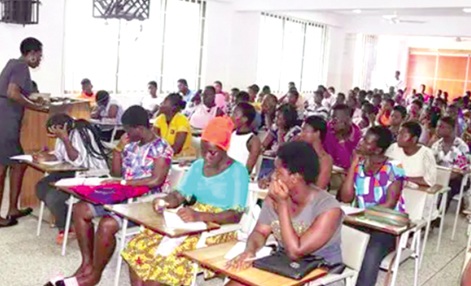
Ghana's practice of compulsory vacation classes is placing unnecessary financial and academic strain on families and children, according to education experts who are calling for a radical reimagining of how school holidays are spent. Instead of extending classroom instruction during breaks, the country should establish a structured National Vacation Skills Rotation Programme that exposes young learners to practical trades and hands-on experience.
The proposal addresses a longstanding concern: many basic schools present holiday classes as indirectly compulsory, warning parents that children who skip them risk falling behind academically. In 2016, the Ghana Education Service (GES) itself cautioned schools that it had not authorised compulsory vacation classes and that pupils should not face punishment for non-attendance—yet the practice persists, creating financial pressure on households and extending academic stress during periods meant for rest and renewal.
A practical alternative to endless tuition
Rather than allowing schools to run unregulated academic programmes during school breaks, advocates propose that the GES, working with the Ghana TVET Service, the Commission for Technical and Vocational Education and Training (CTVET), local authorities and accredited training providers, should coordinate a nationwide skills exposure scheme. Under this model, learners from Basic 6 through Junior High School 3 could complete at least three practical rotations before finishing basic education.
Possible rotation areas could include sewing, fashion design, carpentry, hair styling, baking, food processing, automobile maintenance, welding, agriculture, robotics, coding, renewable energy, plumbing and entrepreneurship. Each rotation would be designed not to force early career choices, but to let young people explore diverse options and build foundational competencies in practical problem-solving, creativity and teamwork. Learners would present their finished projects or learning outcomes to parents, teachers and community members, reinforcing communication skills and helping families value vocational pathways.
Institutions such as FirstBank Ghana have already demonstrated the viability of this approach through programmes like their Junior Internship Scheme, which exposes children aged 10 to 14 to workplace experience and applied learning. Such initiatives, advocates argue, deserve national recognition and scaling.
Why it matters for Ghana's education system
Ghana's technical and vocational education sector remains significantly undersized relative to the country's labour-market needs. According to a 2023 World Bank analysis, senior high schools enrolled approximately 1.16 million students, whilst TVET institutions accommodated only about 123,836 learners. Though TVET enrolment is gradually rising, many young Ghanaians either encounter vocational education too late or perceive it as a second-choice pathway rather than a legitimate and valued educational track.
Early, structured exposure to practical skills during formative years could shift this perception and make hands-on creativity integral to education rather than remedial. Children who repair objects, code, plant crops or design simple machines are not wasting time; they are developing creativity, confidence, patience, coordination and problem-solving abilities that research links to long-term cognitive and academic development.
A national programme would also generate employment demand for safety officers, risk assessors, workshop supervisors, child-protection professionals and vocational instructors, whilst strengthening Ghana's vocational skills pipeline ahead of the Fourth Industrial Revolution.
Implementation and safeguards
Any vacation skills programme must enforce strict safety standards. Approved centres would require trained facilitators, appropriate instructor-to-learner ratios, first-aid arrangements, emergency procedures and robust child-protection safeguards. High-risk activities involving dangerous tools, chemicals or machinery would be closely supervised or taught through demonstration and simulation.
The GES and CTVET should establish national standards for facilities, equipment, instructor qualifications, insurance and incident reporting, with private providers accredited and inspected before participation. To ensure accessibility, the programme should be free or heavily subsidised for children in public basic schools, utilising existing school workshops, TVET institutions, community centres and accredited private facilities. Industry partners, artisans, universities and civil society organisations could contribute equipment, instructors and mentorship to distribute costs.
Ghana's children deserve holidays that restore their energy and stimulate imagination. Moving from compulsory vacation drills to structured vacation skills rotations would align school breaks with both child wellbeing and the nation's long-term economic and skills development needs.
Source: The Ghana Report


Comments (0)
Be the first to comment.