Shea sector at crossroads: Tamale women demand finance reform and tree protection ahead of 2026 expo
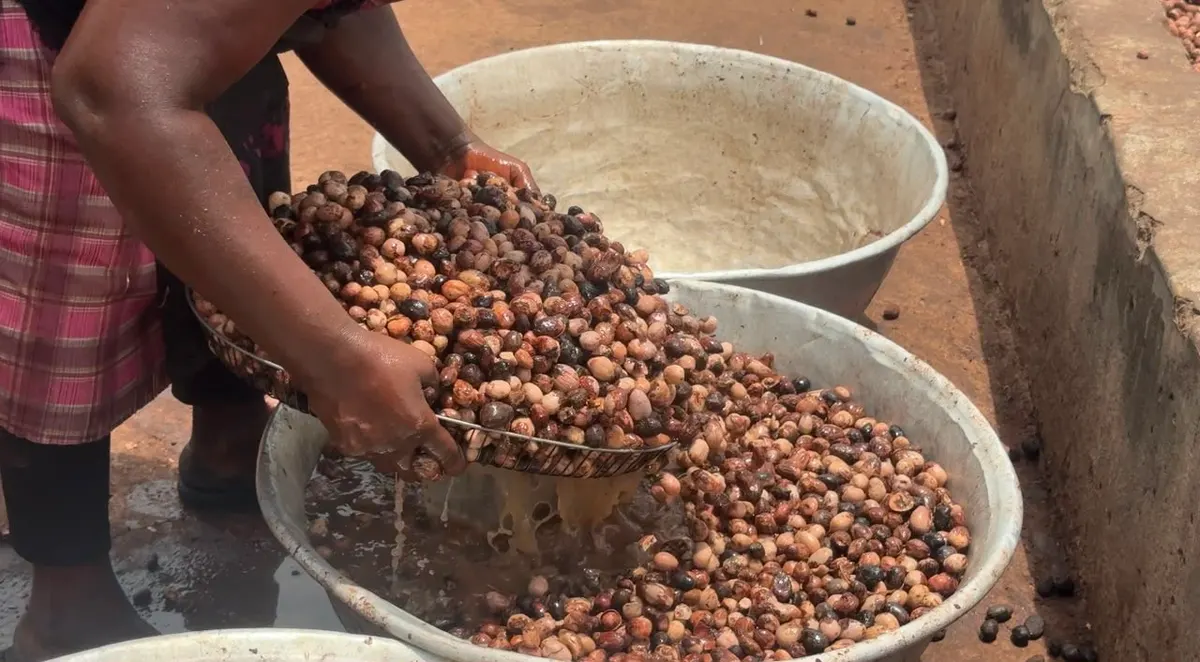
With less than two years until Tamale hosts the 2026 World Shea Expo, Ghana's shea butter sector faces mounting pressure to address systemic challenges that have left rural women who form the backbone of the industry struggling with inadequate returns, limited access to credit, and accelerating environmental threats.
The shea sector represents a critical economic lifeline for hundreds of thousands of Ghanaian women, particularly in the northern regions where shea trees have been cultivated for generations. Yet despite Ghana's position as a major shea producer, the women at the heart of this trade contend with persistent barriers that undermine their earning potential and threaten the natural resource base itself.
The triple challenge: Finance, fairness, and forests
Shea women producers are calling for three interconnected reforms. First, they demand access to affordable financing mechanisms tailored to the seasonal and capital-intensive nature of shea processing. Currently, many rely on informal credit systems or have no access to working capital at critical points in the production cycle, limiting their ability to scale operations or invest in improved processing equipment.
Second, they argue that the value chain remains heavily skewed towards exporters and middlemen, with farmgate and processor prices failing to reflect the true market value of shea butter. This squeeze leaves producers vulnerable to poverty despite global demand for shea products in cosmetics, pharmaceuticals and food industries.
Third, and increasingly urgent, is the threat to shea tree resources themselves. Bushfires and land-use pressures are depleting tree stocks across northern Ghana, whilst climate variability is affecting yields. Women harvesters report declining tree density in accessible areas, a troubling sign for the long-term sustainability of the sector.
Why it matters for Ghana
The shea sector is far more than a niche agricultural concern. Shea is a significant non-timber forest product and export commodity that generates foreign exchange whilst providing employment to rural communities with few alternative income sources. The sector also plays a vital role in female economic empowerment in regions where women's income opportunities are limited.
The 2026 World Shea Expo represents both opportunity and deadline. As a global platform, it will showcase Ghana's shea heritage and potential to international buyers, investors and policymakers. However, if systemic issues remain unaddressed, the expo risks becoming a showcase of a sector in structural decline rather than a celebration of sustainable growth.
Addressing the demands of shea women requires coordinated action across government, financial institutions, environmental agencies and industry players. This includes developing shea-specific financing products, enforcing fairer pricing mechanisms or supporting cooperatives to increase bargaining power, strengthening community forest management to protect shea trees, and scaling sustainable harvesting practices that balance production with environmental conservation.
What happens next
The visibility of these demands ahead of the 2026 expo creates an opening for policy reform. Ghana's government and development partners have an opportunity to invest in the shea sector now, ensuring that by the time Tamale hosts the world stage, there is genuine progress to demonstrate—not just rhetoric. Without action, the sector risks continuing its current trajectory of stagnation for producers despite global prosperity, a mismatch that ultimately threatens both livelihoods and forest cover across northern Ghana.
Source: 3News


-1200x800.webp)
Comments (0)
Be the first to comment.