Salaga South MP celebrates Atta Mills' enduring legacy of integrity in Ghana politics

A senior parliamentary voice has renewed calls to remember the late President John Evans Atta Mills as a defining figure in Ghana's democratic journey, emphasising how his personal integrity and modest demeanour set standards that remain relevant to modern politics.
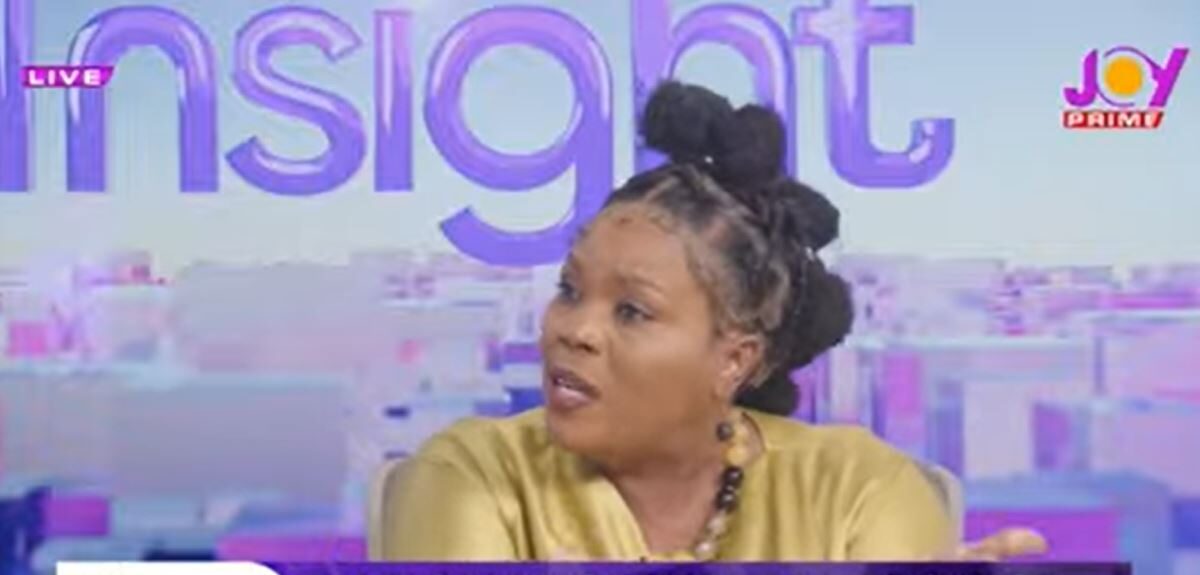
Hajia Zuweira Mohammed Ibrahimah, Member of Parliament for Salaga South, paid the tribute during reflections on Atta Mills' contributions to the nation, framing his leadership style as a counterpoint to contemporary political challenges. According to the MP, the former President embodied qualities of humility, principled decision-making and selfless service that have become less visible in Ghana's political landscape.
A leader defined by restraint and principle
Atta Mills, who served as President from 2009 until his death in office in July 2012, was known for his measured approach to governance and reluctance to leverage the presidency for personal enrichment. Unlike some of his predecessors and successors, Mills maintained a reputation for personal modesty throughout his political career, a quality that resonated across party lines during his tenure.
His administration prioritised what he termed the "Better Ghana Agenda," which focused on infrastructure development, education and poverty reduction. Though his presidency was cut short, observers have noted that his refusal to engage in the kind of patronage politics common in many African democracies set him apart as an institutional rather than personality-driven leader.
Why it matters for Ghana's political direction
The invocation of Atta Mills' legacy by current lawmakers carries particular weight amid ongoing national conversations about political accountability and corruption. Ghana has faced recurring challenges with public funds mismanagement and the influence of individual personalities over institutions—issues that Atta Mills' administration was generally praised for managing differently.
For younger politicians and civil society observers, Atta Mills represents a model of power exercised with restraint. His reluctance to weaponise state resources against opponents, combined with his academic credentials and legal background, offered Ghanaians a vision of technocratic, principle-driven leadership. Tributes such as Hajia Ibrahimah's suggest that as Ghana navigates questions about the quality of its governance, references to Atta Mills serve as benchmarks for what accountability can look like.
The late President died in office after a period of illness, and his Vice President, John Dramani Mahama, assumed the presidency. Atta Mills' memory has periodically been invoked across Ghana's political spectrum, though more often by his own National Democratic Congress (NDC) party and supporters who view his tenure as a lost moment of stability.
Legacy in contemporary context
Twelve years after his death, Atta Mills' influence persists in Ghana's institutional memory, particularly among those concerned with standards of leadership. His nickname, "The Philosopher King," captured the public perception of a leader more inclined to introspection than self-promotion. In an era when political messaging increasingly depends on personal branding and social media presence, that restraint stands out.
Current and future generations of Ghanaian leaders face the challenge of balancing Atta Mills' model—service-oriented, institutionally focused—with the demands of contemporary campaigning and governance. Hajia Ibrahimah's comments suggest that such balance remains possible and necessary for Ghana's democratic maturation.
Source: 3News



Comments (0)
Be the first to comment.