Road Contractors Report Swift Government Payments Under Mahama's Big Push Infrastructure Programme

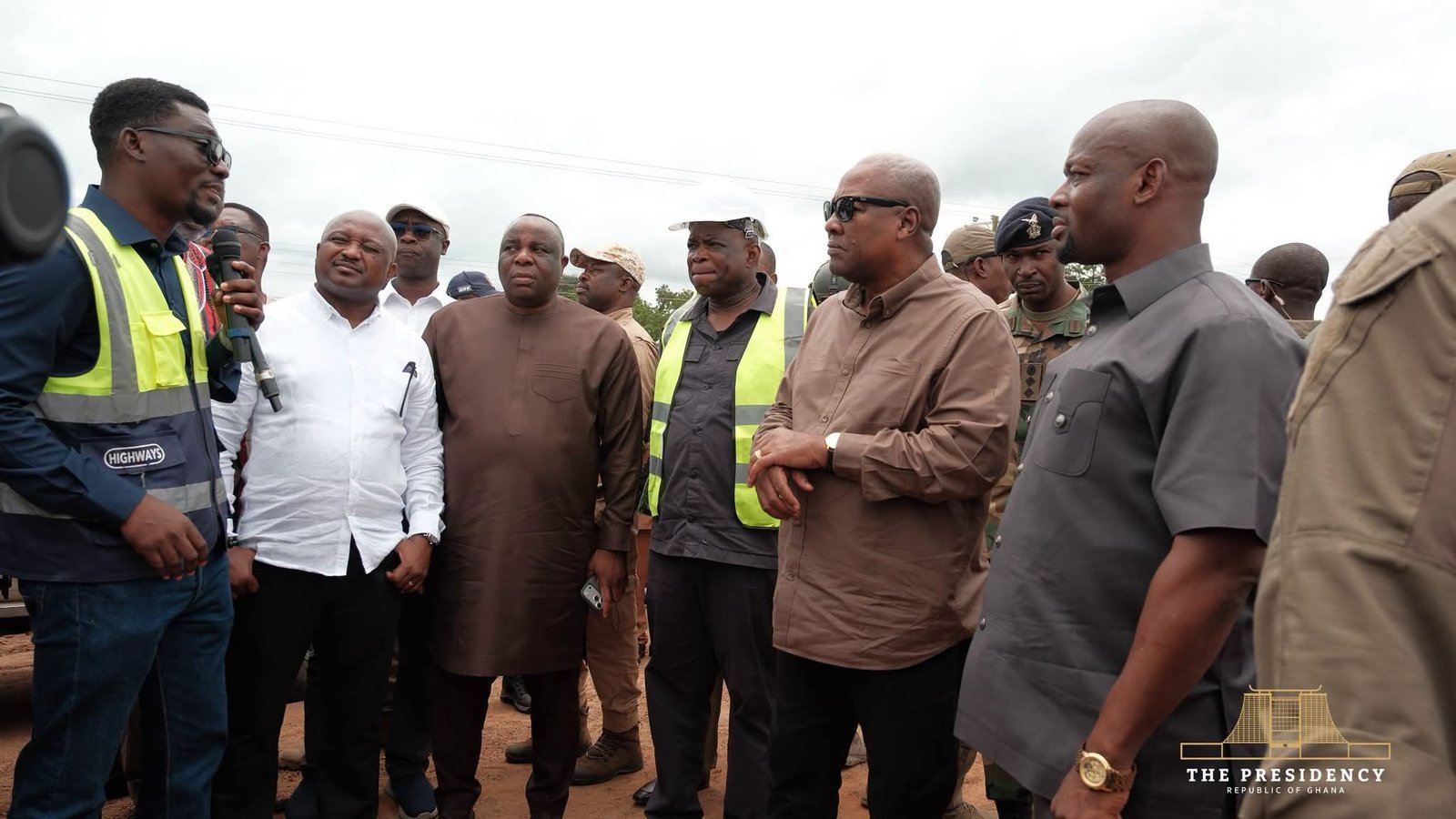
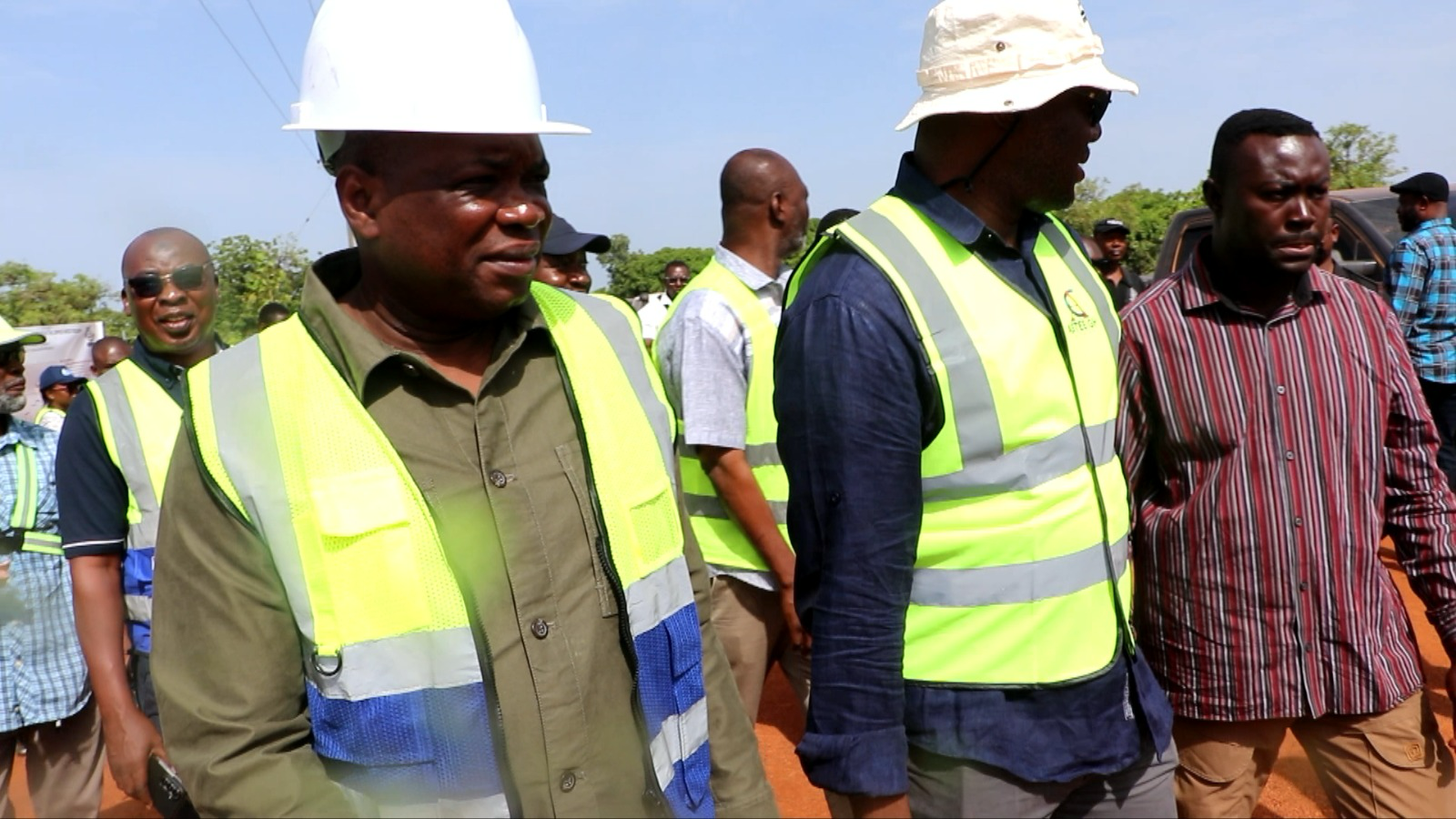
Ghana's road contractors are expressing satisfaction with the government's payment practices under President John Dramani Mahama's Big Push infrastructure initiative, marking a notable shift in the often-strained relationship between the public sector and construction firms. According to industry players, the Ministry of Roads and Highways has demonstrated commitment to honouring financial obligations promptly, settling certificates for completed work without the delays that have historically plagued Ghana's construction sector.
What the contractors are saying
Road construction companies involved in Big Push projects have publicly commended the government's approach to payment administration. The timely settlement of work certificates—formal documentation confirming the completion and value of construction activities—represents a departure from previous practices where contractors often faced extended payment delays lasting months or even years. Such delays have historically created cash flow crises for firms, forcing many to halt projects or struggle financially whilst awaiting settlement.
This shift in payment discipline suggests that the Ministry of Roads and Highways has implemented stronger financial management systems to process contractor claims more efficiently. For an industry accustomed to uncertainty, prompt payment is a significant confidence-building measure that affects hiring, material procurement, and project timelines.
Why this matters for Ghana
Reliable payment systems are critical to Ghana's infrastructure development goals. When contractors receive payments on schedule, they can reinvest earnings into equipment, employ more workers, and bid confidently on future projects. Conversely, payment delays discourage private sector participation and inflate project costs, as firms build risk premiums into their quotes.
The Big Push programme is central to the government's economic agenda, encompassing road rehabilitation, energy projects, and urban infrastructure aimed at boosting productivity and regional connectivity. Project delays stemming from contractor financial stress directly undermine these objectives. By ensuring timely payments, the government removes a major operational obstacle and strengthens the incentive for contractors to maintain quality and meet deadlines.
Furthermore, contractor satisfaction affects the wider construction ecosystem. Reliable government payment encourages local and international firms to compete for Ghanaian contracts, increases employment in the sector, and reduces the likelihood of project abandonment. This is particularly important for rural road networks, where poor contractor relations have historically led to incomplete projects.
From a macroeconomic perspective, prompt payment also reduces informal financing practices where contractors borrow at high interest rates to bridge cash gaps, ultimately raising the cost of public projects. Efficient payment cycles help keep infrastructure development affordable and sustainable.
Broader context
Ghana's construction sector has long struggled with payment delays, a legacy issue affecting project delivery across successive administrations. Poor payment practices have contributed to abandoned projects, contractor bankruptcies, and reputational damage to Ghana's infrastructure efforts. The current positive feedback from road contractors suggests that systems improvements—whether through better budgeting, streamlined approval processes, or dedicated payment schedules—are having tangible effects.
The Big Push initiative encompasses ambitious targets across multiple infrastructure sectors, and contractor confidence is essential to meeting these goals. As more firms report timely settlements, this could create momentum for sustained improvements in public procurement practices across other government departments and agencies.
Source: 3News

Comments (0)
Be the first to comment.