
Rev. Dr Lawrence Tetteh Urges Ghana to Fix Its Broken Sports Talent Pipeline


Reverend Dr Lawrence Tetteh, one of Ghana's most recognisable public figures and a longstanding advocate for youth development, has added his voice to growing calls for a more structured and better-funded approach to sports talent development in the country. His intervention underscores a conversation that coaches, sports administrators and former athletes have been having for years — that Ghana is losing gifted young sportspeople not because of a lack of talent, but because of a lack of systems to nurture it.
The gap between raw talent and realised potential
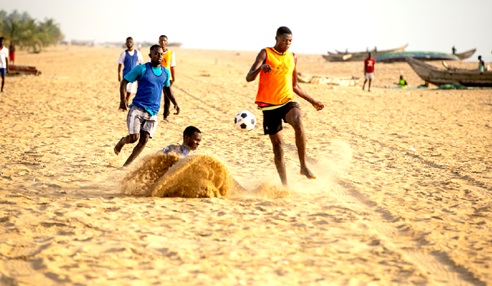
Ghana has long been celebrated for producing world-class athletes across football, boxing, athletics and beyond. Yet for every player who makes it to the top, countless others fall through the cracks — not for want of ability, but because the infrastructure needed to channel that ability simply does not exist in a reliable or accessible form across the country.
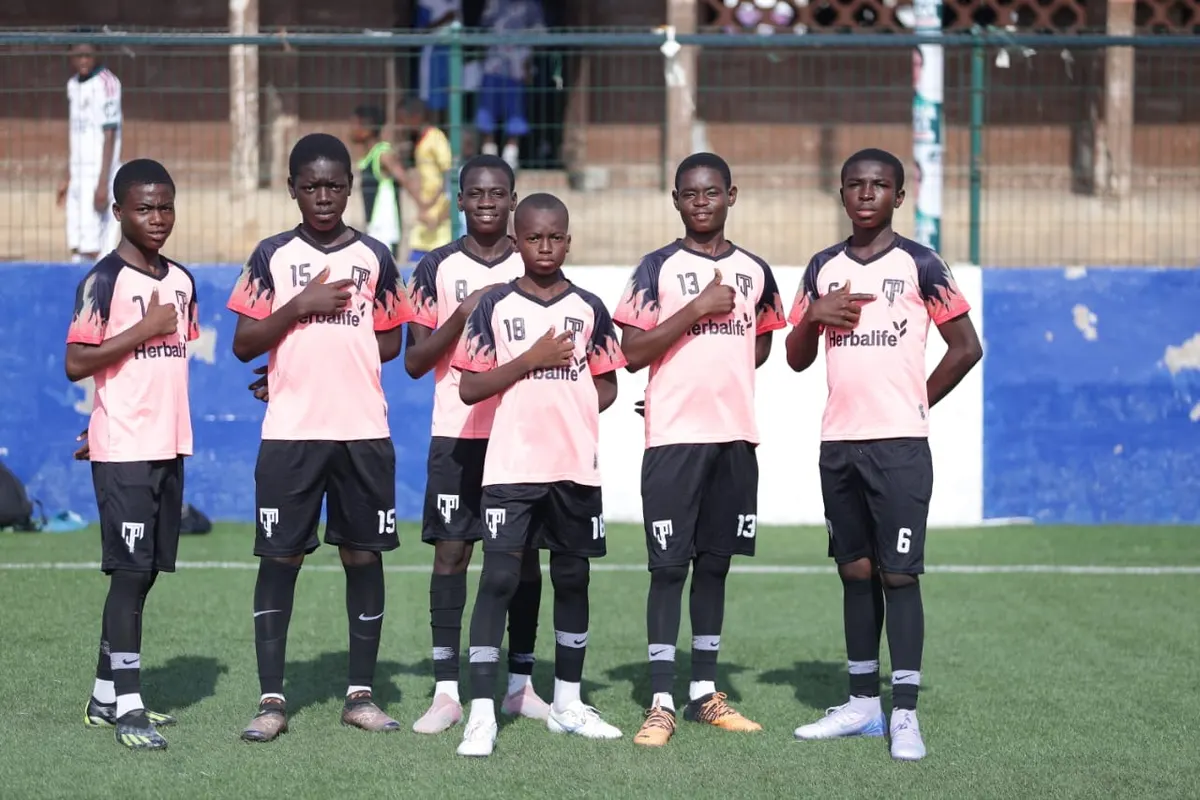
Dr Tetteh's call centres on the urgent need to bridge this gap by connecting promising grassroots initiatives — community football academies, local athletics clubs and school-based programmes — with institutions that can provide real technical direction, credible funding opportunities and strategic partnerships with both local and international bodies. Without these links, he argues, Ghana will continue to export raw talent that is then polished and profited from elsewhere.
This is not merely a sporting concern. For many young Ghanaians, particularly those from less privileged backgrounds, sport represents one of the most realistic pathways out of poverty. A better-designed talent development ecosystem does not just produce better athletes — it provides structure, discipline and opportunity for thousands of young people who might otherwise have none.
Why it matters for Ghana
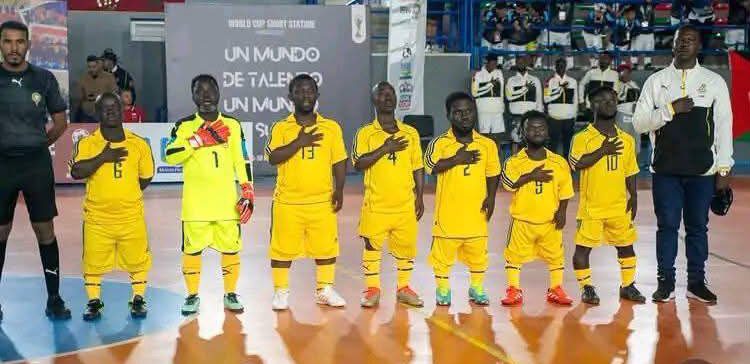
Ghana's sporting ambitions are significant. The Black Stars remain one of Africa's most followed national football teams, and the country has historically punched above its weight in boxing and athletics on the global stage. However, sustaining and building on that legacy requires deliberate investment, not just hope.
At the national level, the Ghana Education Service, the Ministry of Youth and Sports, the National Sports Authority and various sports associations all play roles in talent identification — but critics have long pointed out that these institutions often operate in silos, with poor coordination and inconsistent funding cycles. Private investment in grassroots sports remains limited, and many community-level clubs and academies survive on goodwill alone.
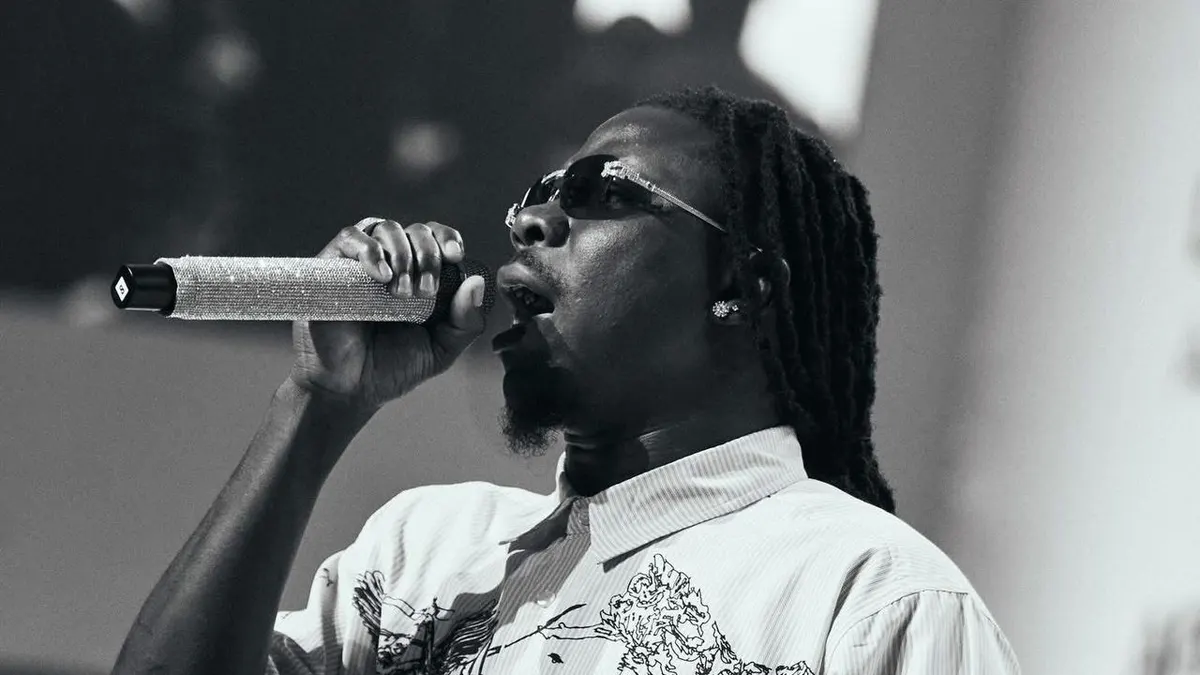
Dr Tetteh's intervention is significant because it brings moral and social weight to what is often treated as a purely administrative or financial question. When a figure of his public standing elevates the conversation, it has the potential to draw in philanthropists, corporate sponsors and diaspora investors who might not previously have considered sports development as a worthy cause.
There is also a regional dimension worth noting. As ECOWAS nations compete for the same pool of talented young Africans, Ghana risks losing its edge if neighbouring countries — many of which are aggressively building academies and signing development partnerships with European clubs — out-invest it at the grassroots level.
What needs to change
Experts and stakeholders who have long worked in this space point to several priority areas. First, there must be greater coordination between government bodies, schools and private sports organisations so that talented youngsters are identified early and guided consistently. Second, funding frameworks — whether through public budgets, corporate social responsibility initiatives or diaspora contributions — need to be formalised and made predictable rather than sporadic. Third, technical capacity must be built at the community level, ensuring that coaches and administrators working with young athletes have the training and resources they need.
- Grassroots sports programmes in Ghana frequently lack access to qualified coaching and reliable funding.
- Better institutional partnerships could help convert raw local talent into sustainable sporting careers.
- Ghana risks falling behind regional competitors if investment in youth sports development remains inconsistent.
Dr Tetteh's call is a timely reminder that talent alone has never been Ghana's problem. The country has always had the people. What it needs now is the will — and the structure — to give them a real chance.
Source: 3News

Comments (0)
Be the first to comment.