Queiroz's Black Stars tenure ends in mutual split after World Cup campaign
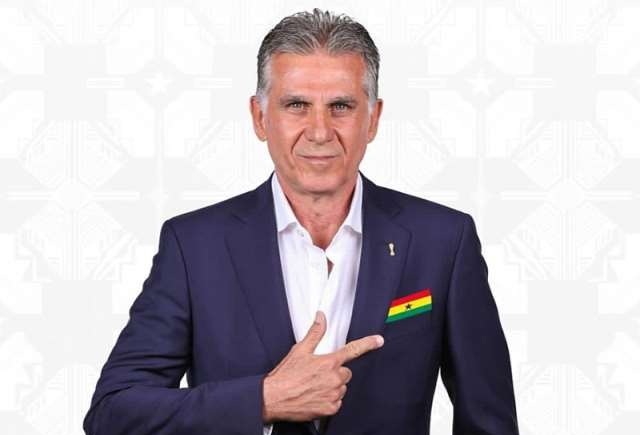
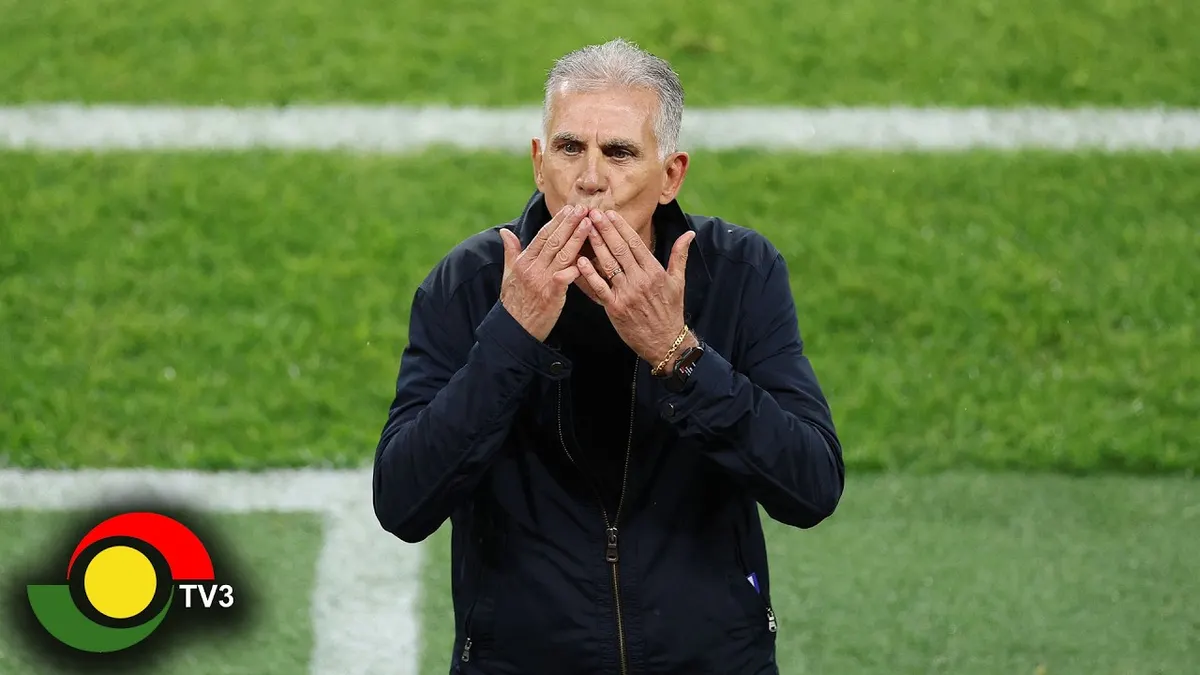
Ghana's experiment with Portuguese coach Carlos Queiroz has concluded after just seven matches, with both the Ghana Football Association and the experienced tactician agreeing to part ways by mutual consent in early October. The parting, announced via an official GFA statement, came in the wake of the Black Stars' 2026 World Cup campaign, which saw them reach the Round of 32 before falling to Colombia in a narrow 1-0 defeat.
Queiroz's stint as Black Stars head coach was remarkably brief, spanning from June 11 when he officially took charge through the end of the World Cup tournament. During that period, Ghana played seven matches including friendlies and World Cup fixtures. Despite the historic achievement of reaching the knockout stages of the expanded World Cup format, the statistical record proved underwhelming: one victory, two draws and four losses, translating to a win rate of just 14.3 per cent. The team's attacking output was similarly concerning, scoring five goals whilst conceding ten across the seven games.
A Storied Coaching Career Cut Short in Ghana
Queiroz brought considerable pedigree to the position. His appointment marked a significant moment in Black Stars history as he became only the fourth coach to manage Ghana at a World Cup. More remarkably, his tenure in charge of Ghana made him the first coach to appear at five consecutive World Cup tournaments—a distinction earned through earlier appointments with South Africa (2002), Portugal (2010), and Iran (2014 and 2018).
This wealth of experience, however, failed to translate into sustained success with the national team. The disciplined, tactical approach that had characterised his previous international roles could not arrest Ghana's struggles during what proved to be a transformative tournament for the sport.
Why this matters for Ghana
Queiroz's departure represents another chapter in a turbulent period of managerial instability that has plagued the Black Stars. The GFA has now cycled through seven different head coaches in seven years—a statistic that underscores deeper institutional challenges beyond individual coaching appointments. This constant turnover prevents the kind of sustained tactical development, squad cohesion and long-term strategic planning that international football teams require to compete consistently at the highest level.
The timing of the split is particularly significant as Ghana faces crucial Africa Cup of Nations qualifying matches. Rather than build on the World Cup experience, the Black Stars now enter this new phase without a permanent manager. The mutual agreement to part ways, whilst professional, leaves questions about whether the demands of Ghana's domestic football environment and expectations align with the strategic visions that world-class coaches bring to the position.
For Ghana's football supporters, the cycle of managerial change has become frustratingly familiar. Moving forward, the GFA will need to demonstrate genuine commitment to providing a head coach with the stability, resources and autonomy to develop a cohesive long-term project, rather than continuing a pattern of short-term appointments that have failed to deliver sustained competitive improvement.
Source: MyJoyOnline
-4.jpg)
Comments (0)
Be the first to comment.