Public Service Burnout: Why Ghana's Civil Servants Need Better Work-Life Balance

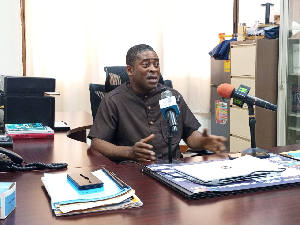
Edem Agbana's recent commentary on the pressures facing Ghana's public service has sparked an important conversation about burnout, mental wellbeing, and the long-term viability of public sector work. The piece serves as a sobering reminder that civil servants—often the backbone of government operations—frequently operate under unsustainable conditions that ultimately undermine both their health and productivity.
Ghana's public service employs hundreds of thousands of workers across ministries, agencies, and local government structures. Many of these individuals work in demanding roles with limited resources, mounting expectations, and little flexibility. Agbana's observation that "sometimes, we push too far" resonates with countless public servants who have witnessed or experienced the toll of relentless workplace demands without adequate support systems.
The Hidden Cost of Overwork in Ghana's Public Sector
Public sector employees in Ghana frequently face competing pressures: political directives, budget constraints, rising public expectations, and staffing shortages. Unlike their private sector counterparts, many civil servants lack access to robust employee wellness programmes, mental health support, or flexible working arrangements. The result is a culture where overtime and weekend work become normalised, even when productivity gains are questionable.
The psychological impact is substantial. Chronic stress contributes to reduced decision-making quality, increased absenteeism due to illness, and higher staff turnover—ironically making government services less efficient, not more. When talented professionals burn out, they leave the sector entirely, depriving Ghana of experienced talent.
Why It Matters for Ghana
Ghana's development depends on functional, well-resourced institutions. The civil service is central to implementing policies on healthcare, education, infrastructure, and economic management. When civil servants are exhausted and demoralised, service delivery suffers. Citizens face longer waits at agencies, slower processing of applications, and diminished quality of government services.
Additionally, burnout in public service has broader economic implications. Recruiting and training replacement staff is costly. Experienced professionals who leave take institutional knowledge with them, forcing organisations to restart processes. Ghana cannot afford to lose capable administrators to preventable burnout.
Agbana's call for reflection suggests several practical improvements:
- Implementation of genuine flexible working policies, particularly in non-frontline roles
- Investment in employee assistance programmes addressing mental health and stress management
- Realistic workload assessments and staffing levels based on actual operational needs
- Leadership training emphasising duty of care toward staff wellbeing
- Regular monitoring of work-related stress indicators across government agencies
Moving Forward
Sustainable public service requires acknowledging that civil servants are human beings with limits. Pushing beyond those limits temporarily might seem to produce short-term results, but it inevitably leads to collapse—whether physical illness, mental health crises, or resignation. Ghana's government institutions deserve leaders who understand this reality and make work-life balance a strategic priority, not an afterthought.
The conversation Agbana has initiated is valuable precisely because it challenges the perception that burnout is acceptable, inevitable, or somehow honourable. It is none of these things. Ghana's public service will be stronger, more effective, and more resilient when it protects the wellbeing of the people who keep it running.
Source: 3News



Comments (0)
Be the first to comment.