President Mahama Pledges Education and Infrastructure Push in Paga Community Visit

President John Dramani Mahama has renewed government commitment to prioritise education access, infrastructure development and learning outcomes across Ghana, following a community engagement visit to Paga in the Upper East Region.
During the visit, the President responded directly to development concerns raised by residents of Paga, assuring the community that local health facilities and road networks remain central to the administration's nationwide development strategy. The pledge reflects the government's broader focus on addressing the infrastructure gaps that have long hindered educational progress in rural and underserved areas.
Education Access and Infrastructure Drive
The government's stated priority encompasses three interconnected pillars: expanding access to educational facilities, upgrading the physical infrastructure supporting schools, and enhancing overall learning outcomes for Ghanaian students. President Mahama's remarks underscore recognition that education delivery in communities like Paga faces real obstacles—from inadequate classroom spaces to poor road connectivity that affects teacher and student mobility.
Infrastructure challenges have long constrained educational potential in northern Ghana. Poor roads can isolate schools, limit access to teaching materials and professional development for educators, and discourage families from sending children to distant learning centres. Similarly, inadequate health facilities within or near communities undermine student attendance and wellbeing, directly impacting academic performance.
Why It Matters for Ghana
Ghana's development agenda is heavily dependent on closing the educational equity gap between urban and rural regions. The Upper East Region, like other northern zones, has historically lagged in school enrolment, completion rates and learning quality compared to southern regions. Infrastructure deficits are a primary driver of this disparity.
By anchoring government action to these three measurable outcomes—access, infrastructure and learning results—the administration signals intent to move beyond rhetoric. For communities like Paga, this means:
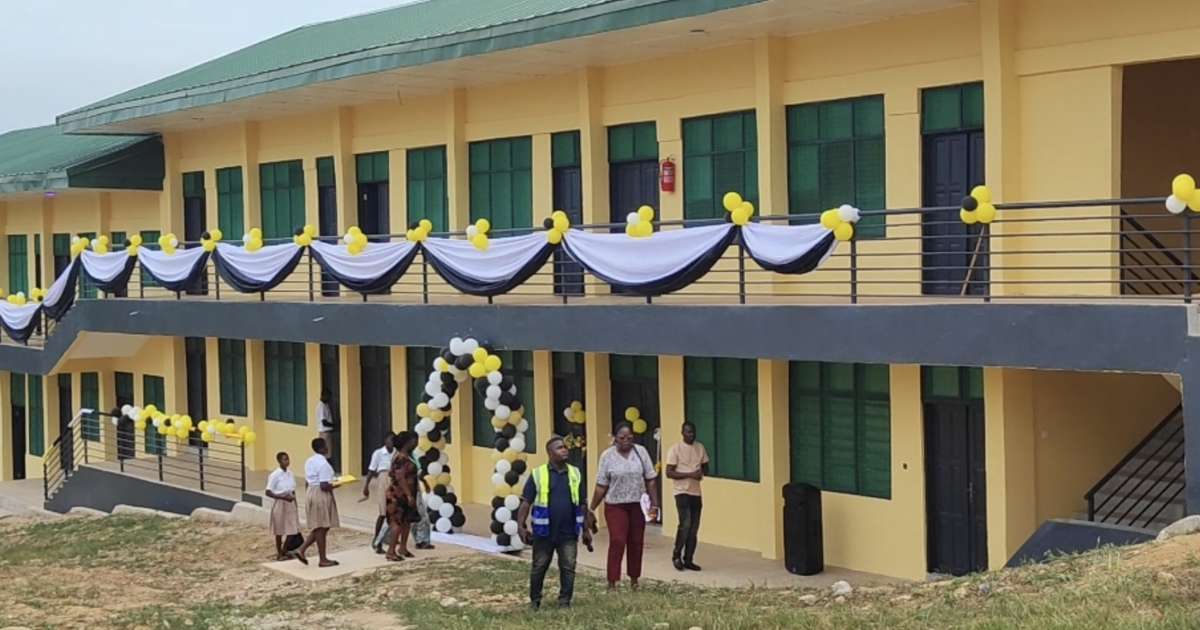
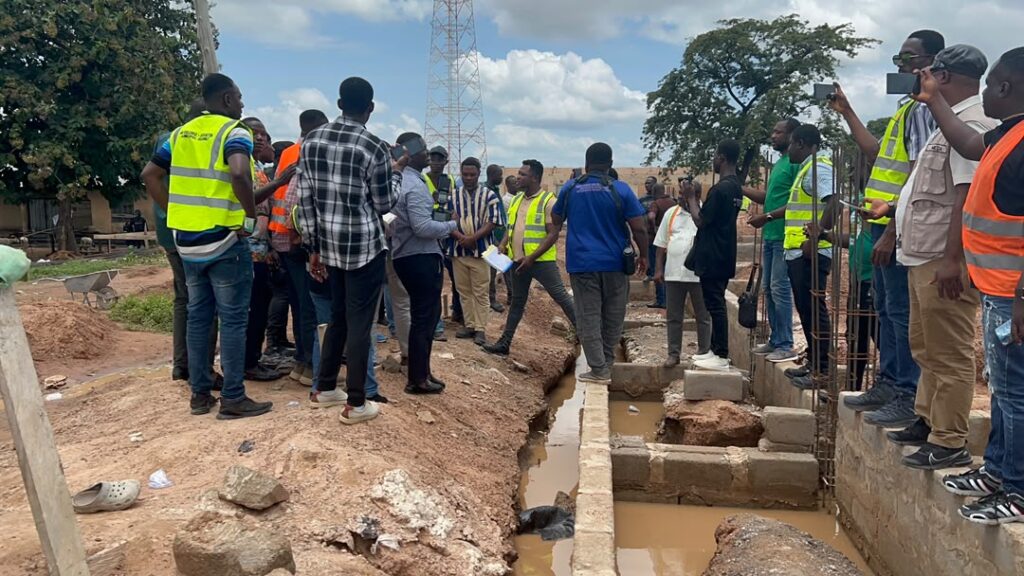
- Potential rehabilitation or construction of classroom facilities and support structures
- Road improvements facilitating regular school attendance and teacher deployment
- Better coordination between education and health services to support student welfare
The connection between infrastructure and learning is well established: students who can reach school reliably, study in safe and equipped facilities, and access nearby health support demonstrate better attendance and academic outcomes. President Mahama's commitment to bind these three elements suggests a systems-level approach rather than isolated projects.
Next Steps and Community Expectations
The Paga visit represents direct presidential engagement with grassroots development priorities, a mechanism for translating community requests into policy focus. Success will depend on translating these assurances into concrete timelines, budgets and implementation milestones that residents can track.
Communities across the Upper East and other northern regions have witnessed numerous development pledges over decades. The test of this commitment will be visible progress in school infrastructure, functioning health posts, and improved road networks in the months ahead.
Source: 3News

Comments (0)
Be the first to comment.