
Petroleum Commission Boss Calls for Bolder Local Content Push as 2026 Conference Opens in Takoradi


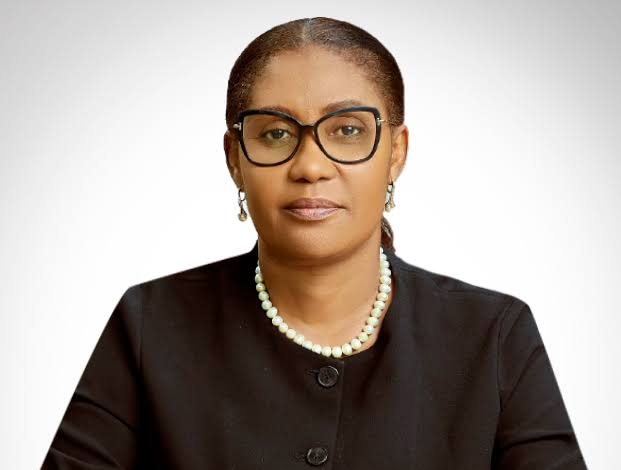
The Chief Executive Officer of the Petroleum Commission, Madam Hardcastle, has made a strong call for the continued and deliberate strengthening of indigenous capacity within Ghana's upstream petroleum sector, warning that the industry's long-term future depends on bold reforms and meaningful partnerships between local and international players.
She made the remarks at the opening ceremony of the 2026 Local Content Conference and Exhibition, held in Takoradi on November 10 — an annual gathering that brings together key stakeholders from across the oil and gas value chain to assess progress and chart a course for greater Ghanaian participation in the sector.
Building on Ghana's Local Content Journey
Ghana's local content agenda in the petroleum sector has been a central policy priority since the passage of the Petroleum (Local Content and Local Participation) Regulations in 2013. The framework was designed to ensure that Ghanaians — whether as workers, businesses or investors — receive a meaningful and growing share of the economic opportunities generated by the country's oil and gas resources.
Over the years, there have been notable strides: more Ghanaian professionals occupy technical and managerial roles in the industry, and a growing number of indigenous companies now provide services ranging from logistics and engineering to catering and security. However, critics and industry observers have consistently pointed out that progress in higher-value segments — such as drilling, subsea engineering and equipment manufacturing — remains limited.
It is against this backdrop that Madam Hardcastle's call for strategic reforms carries particular weight. Her remarks suggest that incremental progress is no longer sufficient and that a more deliberate, structured approach is needed if Ghana is to genuinely move up the petroleum value chain.
Why It Matters for Ghana
Takoradi, Ghana's oil city and the hub of Western Region economic activity, is a fitting venue for this conversation. The city has experienced significant transformation since commercial oil production began at the Jubilee Field in 2010, yet many residents and local businesses argue that the promised economic dividends have not been fully felt at the community level.
Strengthening indigenous capacity is not simply a matter of national pride — it has direct economic implications. When Ghanaian companies and workers capture a larger share of petroleum sector contracts and jobs, more revenue circulates within the domestic economy rather than being repatriated abroad. This multiplier effect can support job creation, skills development and the growth of a more diversified industrial base in Ghana's Western Region and beyond.
Robust partnerships between indigenous firms and established international operators also serve as a critical pathway for technology and knowledge transfer — areas where Ghana has historically lagged behind more mature petroleum economies on the continent such as Nigeria and Angola.
The Road Ahead
The 2026 Local Content Conference and Exhibition is expected to serve as a platform for concrete recommendations on how the regulatory environment can be improved to support Ghanaian businesses, what financing mechanisms can help indigenous companies scale up, and how training and certification programmes can be expanded to meet the technical demands of modern petroleum operations.
With Ghana's oil production facing natural decline pressures at its major fields, and with new energy transition debates reshaping the global industry, the urgency of maximising local benefit from existing resources has never been greater. Madam Hardcastle's advocacy signals that the Petroleum Commission intends to remain at the forefront of pushing that agenda — and that the industry's key players are being called upon to match that commitment with action.
Source: 3News

Comments (0)
Be the first to comment.