
Parliament to consider consolidated national plan as Ghana seeks escape from economic stagnation

Ghana's National Development Planning Commission has presented Parliament with an ambitious proposal to consolidate the country's fragmented development strategies into a single, legally binding national plan aimed at breaking two decades of economic stagnation.
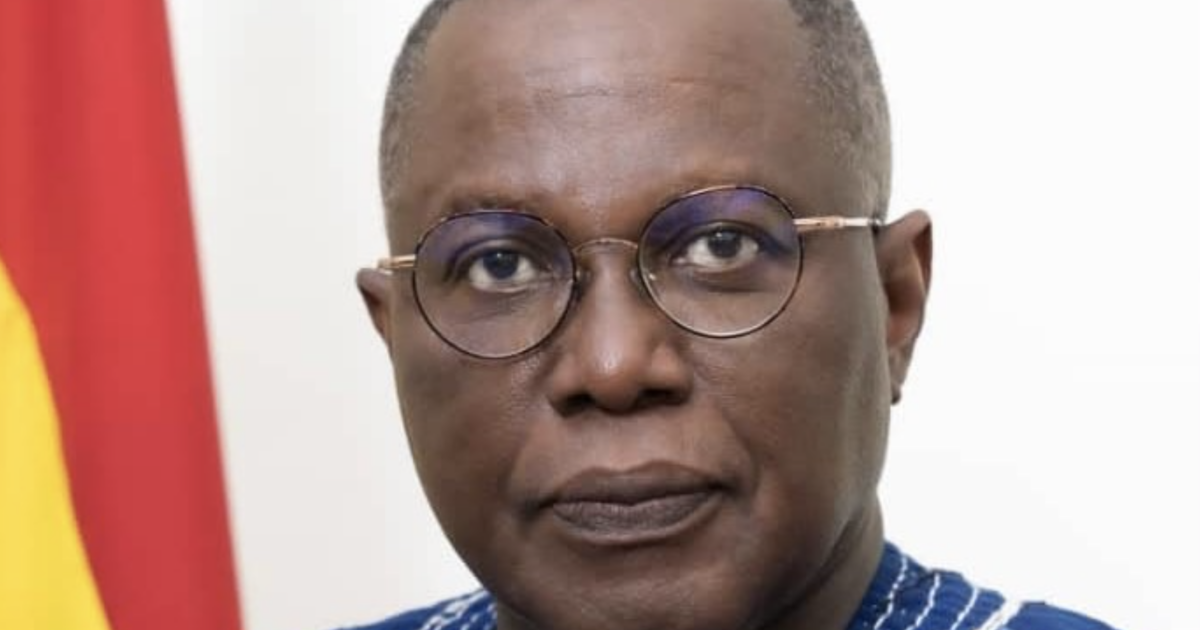
Dr Nii Moi Thompson, Chairman of the NDPC, briefed Speaker Alban Kingsford Sumana Bagbin on efforts to merge four existing but largely unimplemented development frameworks—the 40-Year Development Plan (2016), Ghana Beyond Aid (2019), Ghana@100 (2019), and Vision 2057 (2024)—into what the Commission calls a Consolidated National Development Plan. If adopted by Parliament, this would become "the legislated will of the people" and serve as the strategic framework guiding both medium-term and annual national action plans.
Why the consolidation matters
Ghana's challenge is stark: the country achieved lower middle-income status in 2010 but has remained trapped at that level for over a decade. Without decisive parliamentary action to legislate a coherent long-term strategy, the NDPC warns that Ghana risks economic stagnation or reversal. The consolidation effort reflects a recognition that multiple competing development visions have diluted focus and accountability, leaving Ghana's "unfinished business of development" largely untouched over 70 years of independence.
The proposal comes as part of a broader Commission evaluation aimed at preparing a medium-to-long-term Road Map for Economic Transformation and Shared Prosperity. Rather than abandoning previous plans, the NDPC is attempting to synthesise them into a unified document that can command parliamentary authority and public commitment.
Parliamentary backing and next steps
Speaker Bagbin welcomed the briefing and committed Parliament's support, emphasising the critical role of governance and institutional reforms in achieving development goals. He noted Ghana's standing as a model democracy, attracting study tours from legislators across advanced and emerging nations, and underscored the importance of ethical leadership in making such ambitious plans successful.
The Speaker has invited the NDPC to brief Parliament's Committee of the Whole, signalling serious consideration of the proposal. Following that engagement, the Commission plans extensive stakeholder consultations including political parties, traditional authorities, faith-based organisations, and public submissions.
What this means for Ghanaians
If Parliament adopts this consolidated plan, it would represent a significant shift toward strategic coherence in national governance. For ordinary Ghanaians, the practical impact depends on whether Parliament translates legislative intent into budget allocation, institutional accountability, and measurable progress on poverty reduction, job creation, and infrastructure. The emphasis on ethics in leadership and institutional reform suggested by the Speaker hints at recognition that previous plans failed partly due to implementation gaps and governance challenges rather than poor strategy alone.
The consolidated approach could also reduce the confusion created when multiple visions compete for resources and political attention. However, success will require cross-party consensus, which remains uncertain in Ghana's polarised political environment.
Source: MyJoyOnline
-1200x1472.webp)



Comments (0)
Be the first to comment.