Parliament Suspended Indefinitely Following Rejection of Minority's Drug Investigation Motion
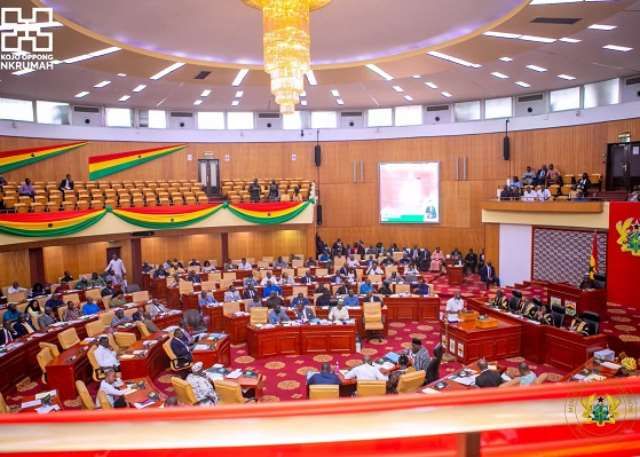
Ghana's Parliament has been suspended indefinitely after the House rejected a motion tabled by the Minority caucus to establish an ad hoc committee for investigating recent drug busts in the country. The adjournment came immediately after lawmakers voted down the Minority's proposal, marking another flashpoint in ongoing tensions between government and opposition lawmakers.
The Minority had sought to create a dedicated investigative body to examine the circumstances surrounding recent high-profile drug seizures, signalling growing concern from opposition benches about law enforcement operations and potential accountability issues. However, the motion failed to secure sufficient support, leading to the immediate suspension of parliamentary business with no fixed date for resumption.
The Background
Ghana has seen several significant drug trafficking incidents and seizures in recent months, with international trafficking organisations increasingly using the country as a transit hub for narcotics destined for Europe and beyond. These operations have involved coordinated efforts between domestic law enforcement and international agencies, raising questions among opposition lawmakers about oversight and transparency in how investigations are conducted and assets are managed.
The Minority's push for an ad hoc committee reflects broader concerns about ensuring proper scrutiny of executive actions, particularly in security and law enforcement matters. Parliamentary committees typically provide a mechanism for the legislature to hold the executive accountable and investigate matters of public interest.
Why It Matters for Ghana
The adjournment highlights deepening parliamentary gridlock that threatens legislative productivity on critical national issues. When the legislature suspends operations indefinitely, vital bills, budgetary matters and public business stall, potentially affecting service delivery and government operations.
More significantly, the incident underscores the polarisation between government and opposition in Parliament. Effective oversight of law enforcement and anti-narcotics operations is crucial for public confidence in institutions and the fight against organised crime. The rejection of an investigative motion—regardless of one's political stance—raises questions about whether Parliament is functioning as an effective check on executive power.
For Ghana's international standing in combating drug trafficking, parliamentary scrutiny of how these operations are managed is important. Transparent investigations and proper oversight can demonstrate to international partners that Ghana is serious about fighting trafficking through accountable institutions.
The indefinite adjournment also leaves many pressing matters unattended. Parliamentary business typically includes consideration of government expenditure, legislative proposals, and responses to public petitions. Citizens expecting parliamentary action on various fronts will face further delays.
What Happens Next
The House leadership will need to convene and agree on terms for reconvening Parliament. Such standoffs occasionally involve negotiations between majority and minority leadership to resolve underlying grievances, though this particular adjournment offers no indication of immediate resolution.
The coming weeks will be critical in determining whether lawmakers can find common ground to restore parliamentary function, or whether the suspension signals a longer period of legislative dysfunction that could have knock-on effects for Ghana's governance agenda.
Source: 3News



Comments (0)
Be the first to comment.