Parliament's Second Session Moves Forward: Key Bills Set for First Reading
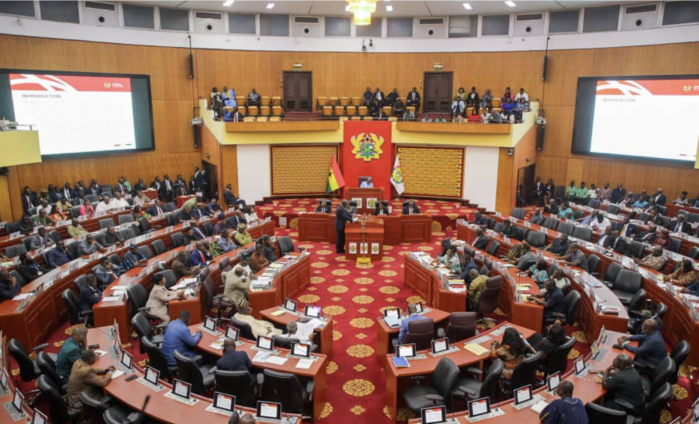
Ghana's Parliament has progressed to the second meeting of its current session, with Majority Leader Hon. Mahama Ayariga laying out the legislative roadmap for lawmakers and the public. The presentation of the meeting's agenda marks another step in the parliamentary calendar as the House prepares to introduce new legislation aimed at addressing national priorities.
Legislative Priorities on the Table
During the meeting, the Majority Leader presented a comprehensive agenda detailing the bills expected to receive First Reading—the initial stage of parliamentary consideration where proposed legislation is formally introduced to the House. This procedural step is critical as it sets the foundation for debate, scrutiny, and potential amendments before bills advance through subsequent readings. The specific bills mentioned indicate Parliament's focus on governance matters and policy development across various sectors affecting Ghanaians.
First Reading is typically a formal stage where bills are presented to Parliament for the first time, allowing members to become familiar with their objectives. The agenda outlined by Ayariga ensures transparency about the legislative work programme and gives citizens and stakeholders advance notice of upcoming proposals that may impact their lives and livelihoods.
Why It Matters for Ghana
The functioning of Parliament and the orderly introduction of new legislation are fundamental to Ghana's democratic system. The 9th Parliament's progression through its scheduled sessions reflects the country's commitment to legislative work and governance continuity. Bills introduced during this session may address critical areas such as economic policy, public administration, social services, or constitutional matters that directly affect Ghanaians.
The role of the Majority Leader in orchestrating parliamentary business is essential to ensuring that the government's legislative agenda progresses smoothly. By transparently presenting upcoming bills, Parliament allows for public awareness and stakeholder engagement—principles central to Ghana's democratic tradition. Citizens, civil society organisations, and business groups can prepare their responses to proposed legislation and participate in the democratic process through proper channels.
The 9th Parliament continues to balance the government's policy objectives with parliamentary oversight responsibilities. Efficient scheduling of legislative business, as demonstrated through this agenda presentation, helps ensure that important matters receive adequate time for consideration while maintaining parliamentary momentum on national priorities.
Parliamentary Process and Public Engagement
As bills move through First Reading and subsequent stages, Ghanaians can engage with parliamentary processes through official channels. Parliament's website, media coverage, and civil society monitoring provide opportunities for the public to track legislation and understand how proposed laws may affect them. This transparency strengthens democratic accountability and ensures that legislative decisions reflect broader national interests rather than narrow partisan concerns.
The scheduled progression of the 9th Parliament's second session demonstrates the institution's capacity to conduct regular business and advance the nation's legislative agenda in an orderly manner.
Source: 3News

Comments (0)
Be the first to comment.